
MY MEDIC

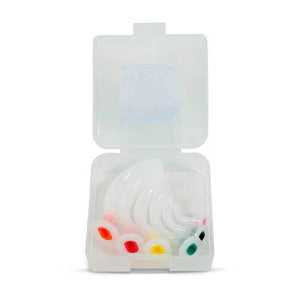
Oral Airway Kit

Regular price $699
Shipping calculated at checkout.


Ethereum Bitcoin Pay with Crypto — Choose Bankful at checkout.

Description

Disposable essential airway management tools

Payment & Security

Payment methods

  • American Express
  • Apple Pay
  • Diners Club
  • Discover
  • Google Pay
  • JCB
  • Mastercard
  • Visa

Your payment information is processed securely. We do not store credit card details nor have access to your credit card information.
Frequently Asked Questions

What is the primary use of an Oral Airway Kit in emergency situations?

An Oral Airway Kit is primarily used to maintain an open airway in unconscious patients. This is crucial in emergency situations where the patient is unable to breathe on their own due to obstruction or collapse of the airway. By using an oral airway, first responders can ensure that the airway remains open, allowing for adequate ventilation. However, it is important to note that these tools are only suitable for unconscious patients as they may trigger a gag reflex in conscious individuals.

How does an Oral Airway Kit fit into a comprehensive first aid kit?

An Oral Airway Kit is an essential component of a comprehensive first aid kit, especially in scenarios where advanced airway management might be necessary. It complements other medical supplies like bandages and antiseptics by addressing airway management, which is critical in life-threatening emergencies. Including an oral airway in your first aid kit ensures readiness for a broader range of medical situations. For more on assembling a complete first aid kit, you can refer to our definitive guide to first aid kits.

Can an Oral Airway Kit be used on conscious patients?

No, an Oral Airway Kit should not be used on conscious patients. The insertion of an oral airway can induce a gag reflex, which can lead to vomiting or aspiration. It is specifically designed for use on unconscious patients who do not have a gag reflex. In situations where airway management is required for conscious patients, other methods such as positioning or suctioning should be considered.

What are the limitations of using an Oral Airway Kit?

While an Oral Airway Kit is a valuable tool, it has limitations that must be considered. It is only effective for unconscious patients and cannot be used if there is a risk of a gag reflex. Additionally, it does not replace the need for advanced airway management techniques like intubation in severe cases. Users must also be trained in its proper insertion to avoid causing trauma to the oral cavity.

How should an Oral Airway Kit be stored for emergency preparedness?

An Oral Airway Kit should be stored in a clean, dry location that is easily accessible during emergencies. It is ideal to keep it within a first aid kit or emergency medical bag. Regular checks should be conducted to ensure the kit remains intact and sterile. Proper storage conditions help maintain the integrity of the tools, ensuring they are ready for use when needed.

What training is required to use an Oral Airway Kit effectively?

To use an Oral Airway Kit effectively, basic training in airway management is recommended. This includes understanding the anatomy of the airway, recognizing when an oral airway is needed, and knowing the correct insertion technique to avoid injury. Many first aid and CPR courses include training on the use of oral airways. Ensuring proper training helps prevent complications and enhances the effectiveness of emergency response.

In what types of emergency scenarios is an Oral Airway Kit most useful?

An Oral Airway Kit is most useful in scenarios where an individual is unconscious and at risk of airway obstruction. This includes situations like cardiac arrest, severe trauma, or drug overdose. By maintaining an open airway, it allows for effective ventilation and oxygenation until advanced medical help can be provided. It is a critical tool in both urban and remote emergency settings.

How does an Oral Airway Kit compare to a Nasopharyngeal Airway in emergency use?

Both oral and nasopharyngeal airways are used to maintain open airways, but they have different applications. An Oral Airway Kit is used for unconscious patients without a gag reflex, while a Nasopharyngeal Airway can be used on semi-conscious patients as it is inserted through the nose. The choice between the two depends on the patient's condition and the presence of facial trauma or obstructions. For more on airway management, explore our First Aid & Medical Supplies collection.

What are the signs that an Oral Airway Kit is needed during an emergency?

Signs that an Oral Airway Kit is needed include an unconscious patient with obstructed breathing. If the patient is not breathing adequately or if there is visible obstruction in the airway, an oral airway can help maintain patency. It is crucial to assess the patient's responsiveness and airway status quickly to determine the need for intervention. Proper assessment skills are vital for effective emergency response.

Are there any maintenance requirements for an Oral Airway Kit?

Oral Airway Kits are typically disposable and do not require maintenance. However, it is important to regularly check the kit to ensure that it remains sealed and sterile until use. If the packaging is damaged or compromised, the kit should be replaced. Regular inspection ensures that the kit is ready for use in an emergency without risk of contamination.