Our Favorite Water-Related Brands


Filter Bottles
View all-
-
-
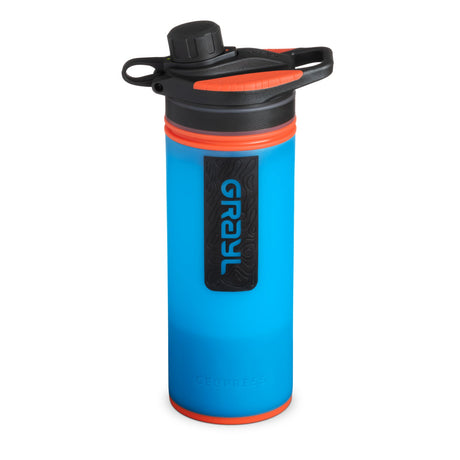
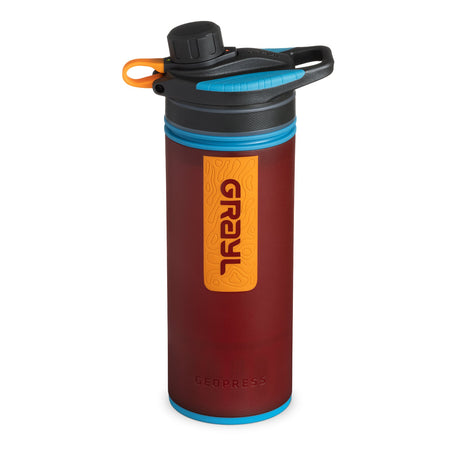
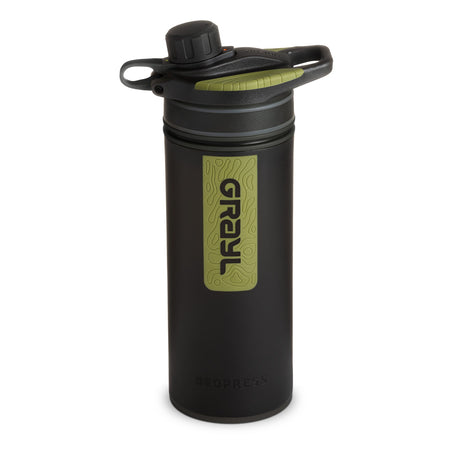
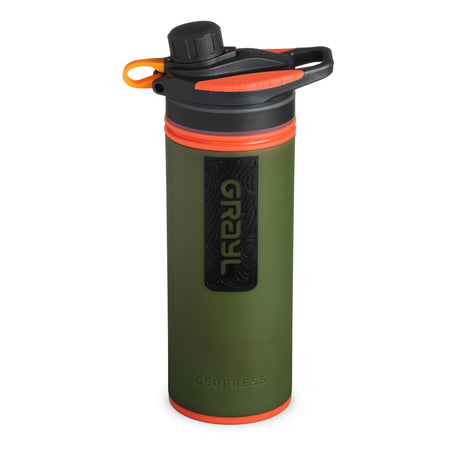
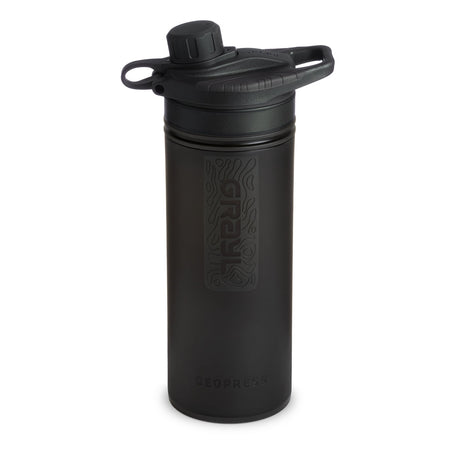
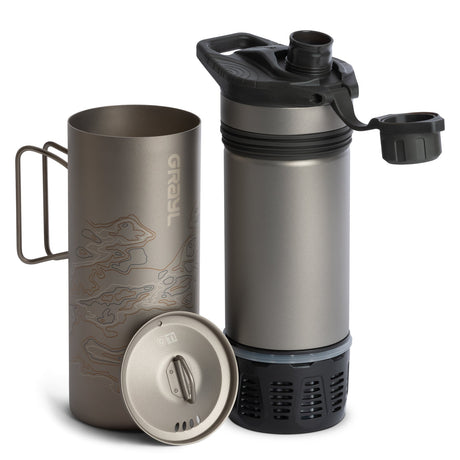
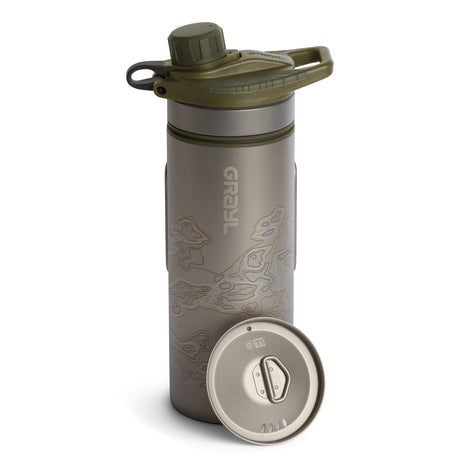
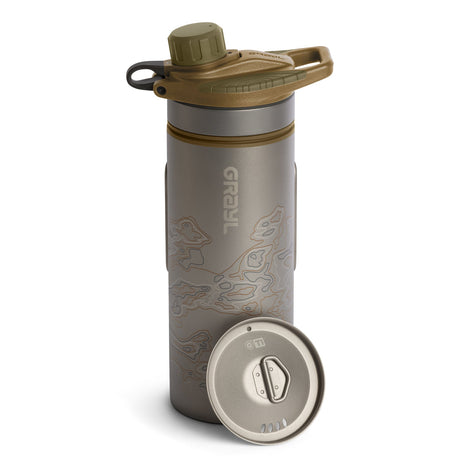
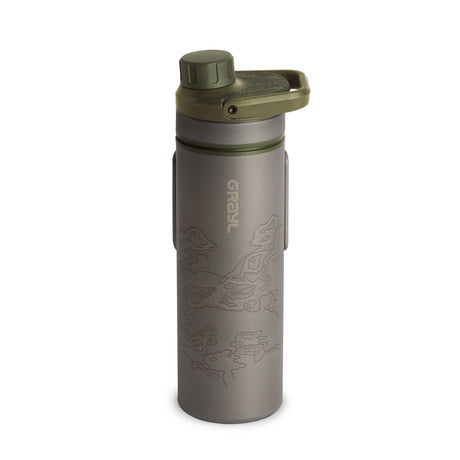
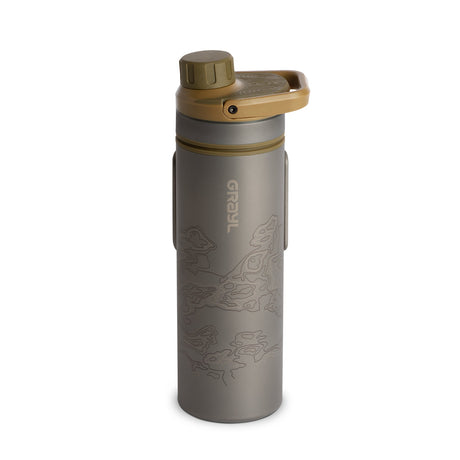
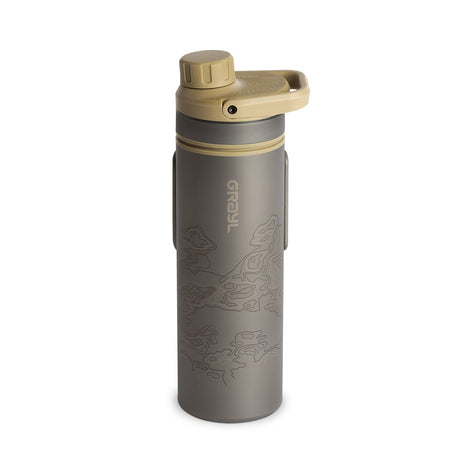
Grayl - 24oz GeoPress Purifier - Covert Series
Regular price $9995Unit price -
-
-
-
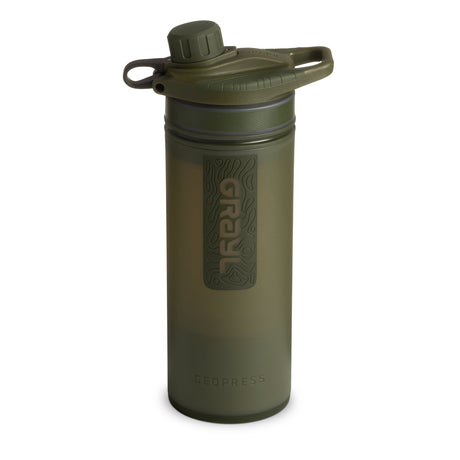
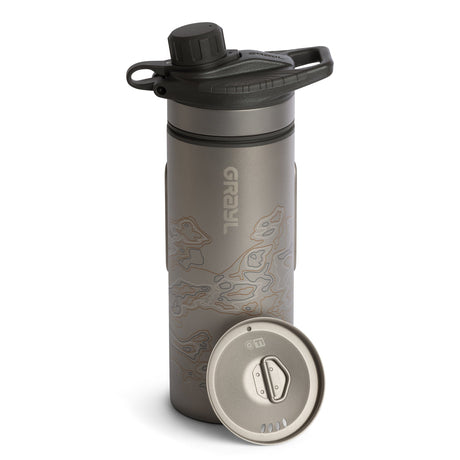
Grayl - 24oz GeoPress Ti Plus Purifier
Regular priceFrom $19995Unit price -
-
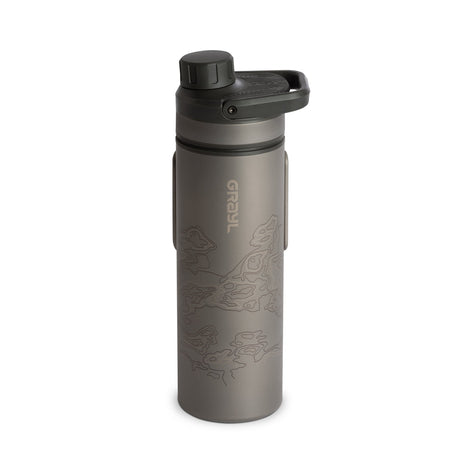
Grayl - 16.9oz UltraPress Ti Purifier
Regular price $17995Unit price -
-
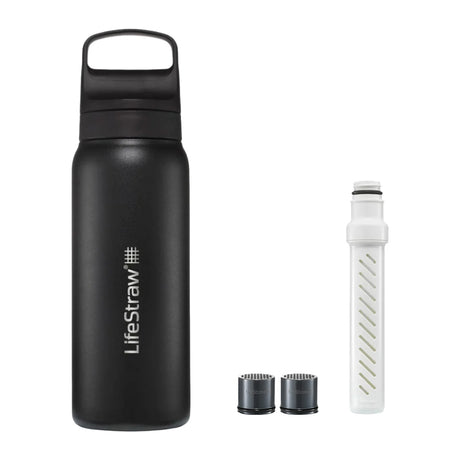
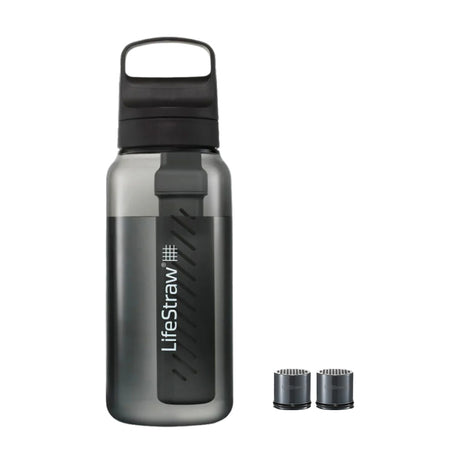
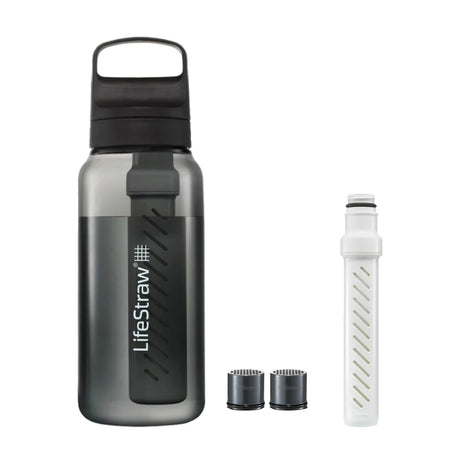
LifeStraw - Go Series Stainless Steel Water Bottle 18oz
Regular price $4995Unit price -
-
LifeStraw - Go Series Water Filter Tumbler 18oz
Regular price $4995Unit price -
-
LifeStraw - Go Series Stainless Steel Tumbler with Handle 24oz
Regular price $5995Unit price -
-
Sold out26% off
Aquamira - Frontier Max Backcountry Plus Water Filter
Sale price $3695 Regular price $4999Unit price -
-
20% off
Aquamira - Frontier Max Worldwide Water Filter
Sale price $3195 Regular price $3999Unit price -
-
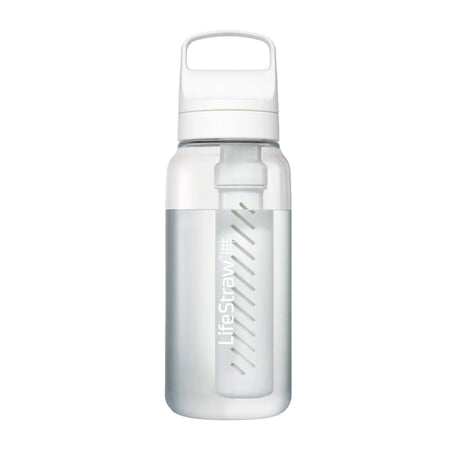
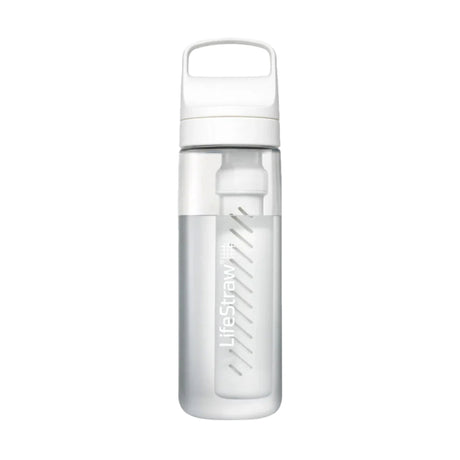
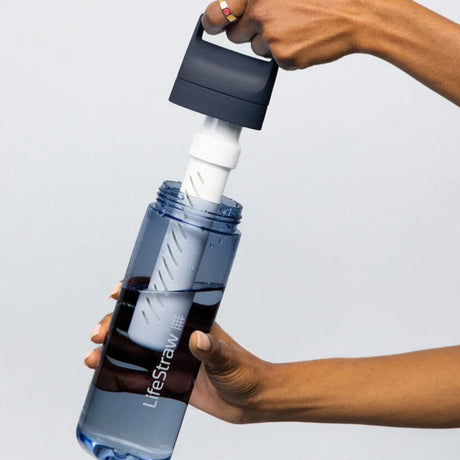
LifeStraw - Go Series Glass 20oz Water Filter Bottle
Regular price $5995Unit price -
-
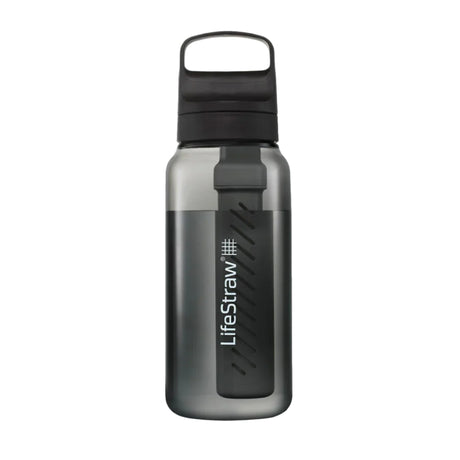
LifeStraw - Go Series Stainless Steel 24 oz
Regular priceFrom $5995Unit price -
-
Regular priceFrom $4995Unit price
-
-
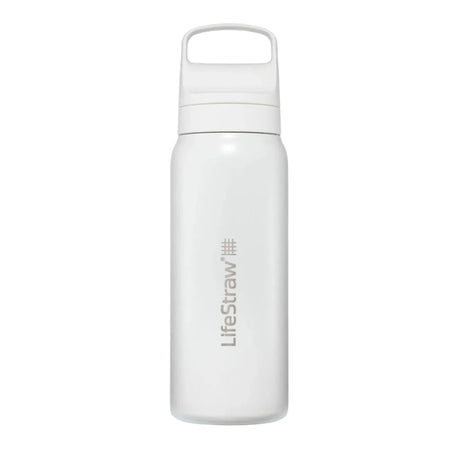
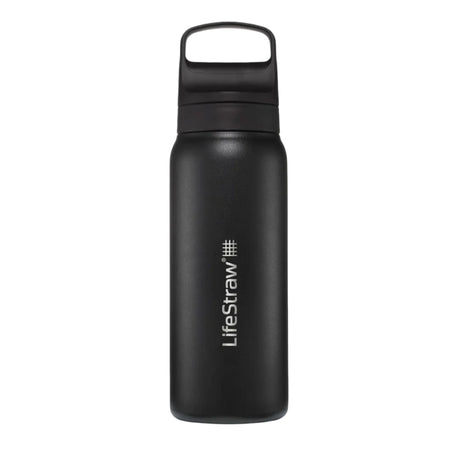
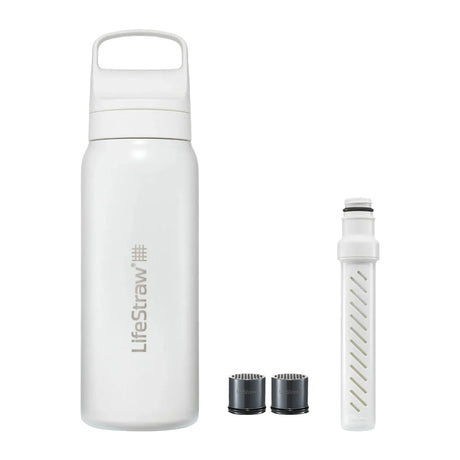
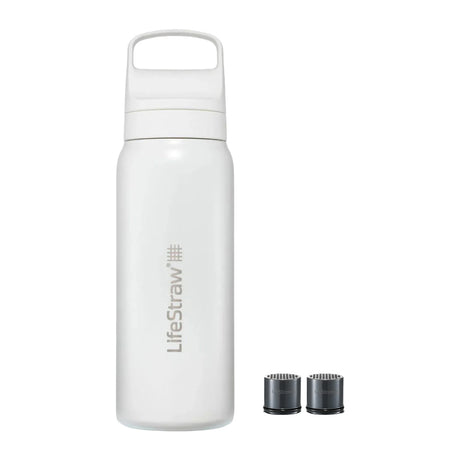
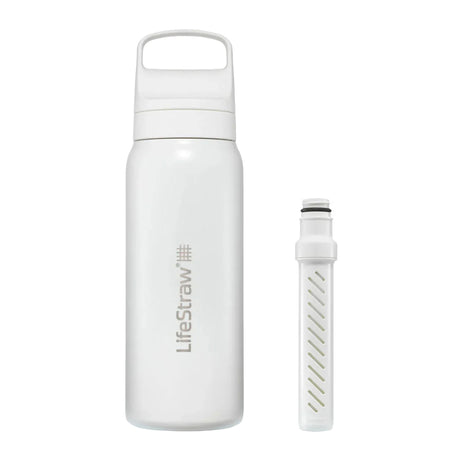
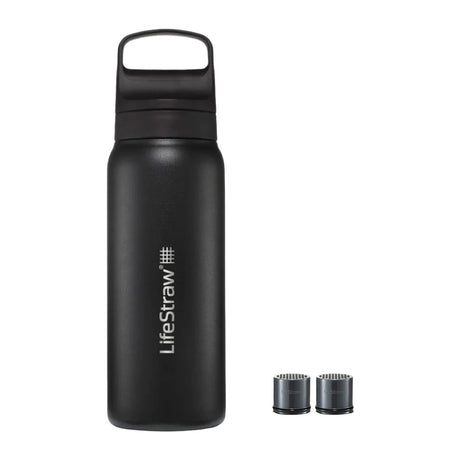
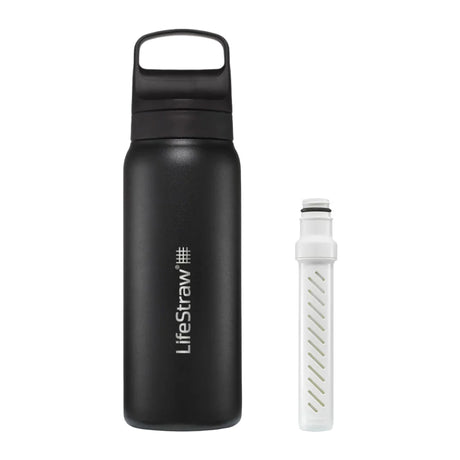
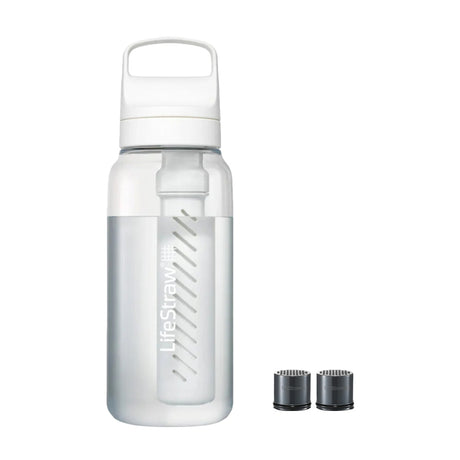
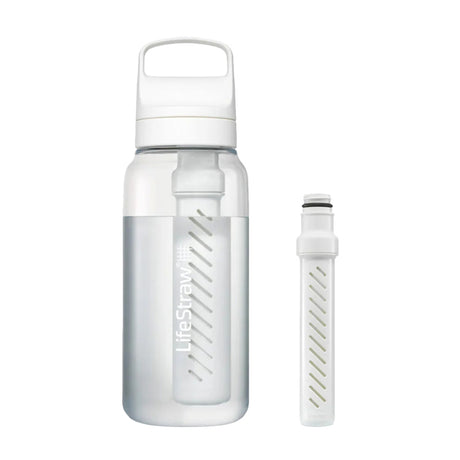
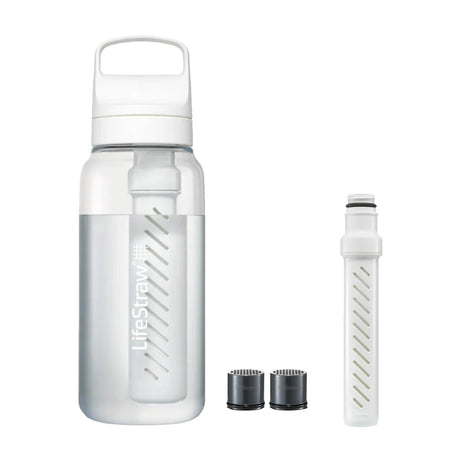
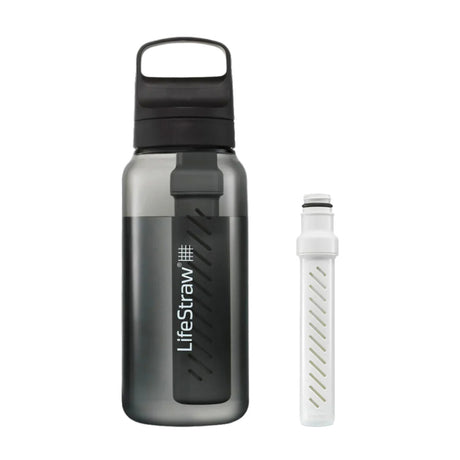
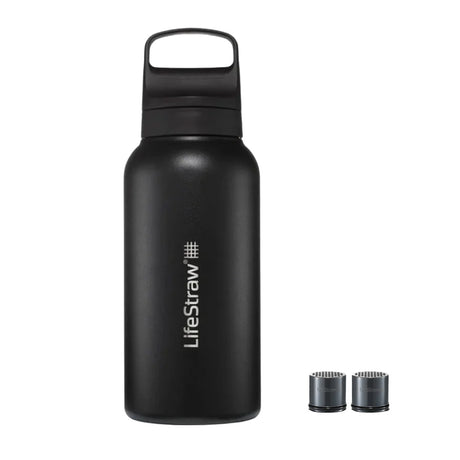
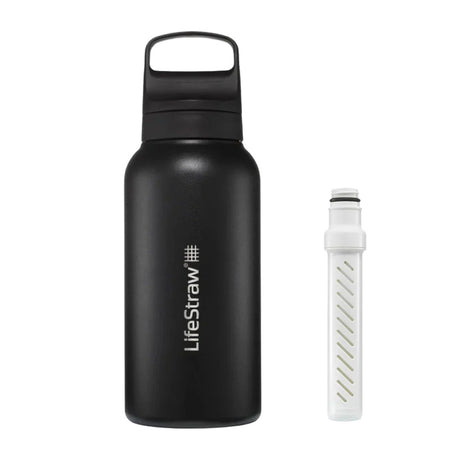
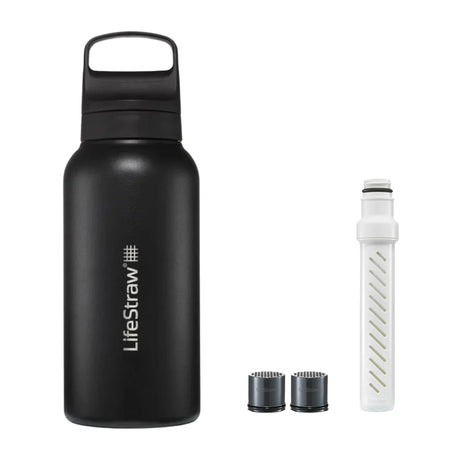
LifeStraw - Go Series Stainless Steel 1L
Regular priceFrom $6495Unit price -
-
Regular priceFrom $4495Unit price
-
-
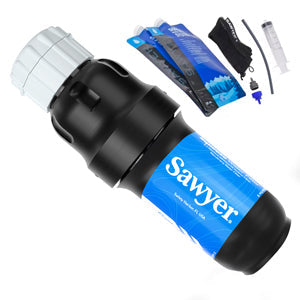
Sawyer - Personal Water Bottle, Filtration System
Regular price $4599Unit price -
-
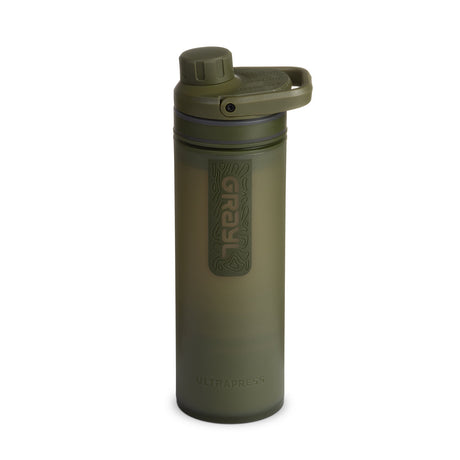
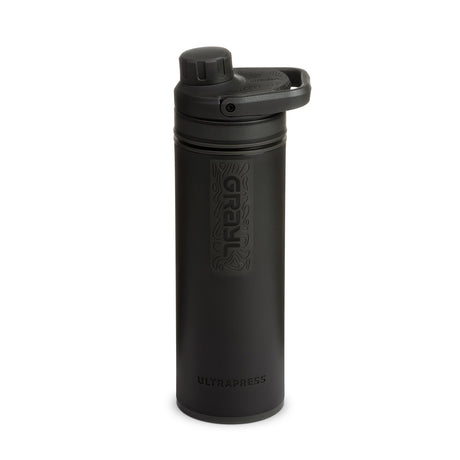
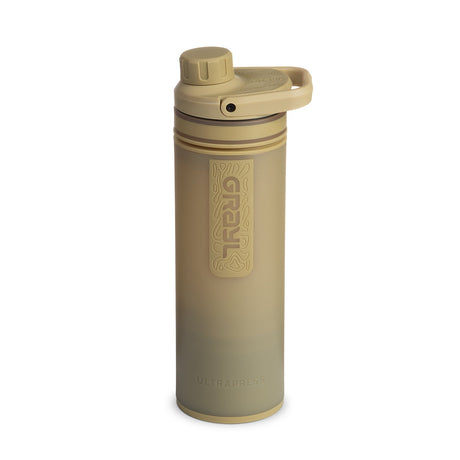
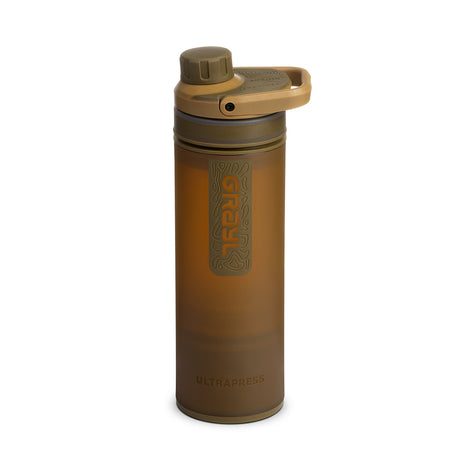
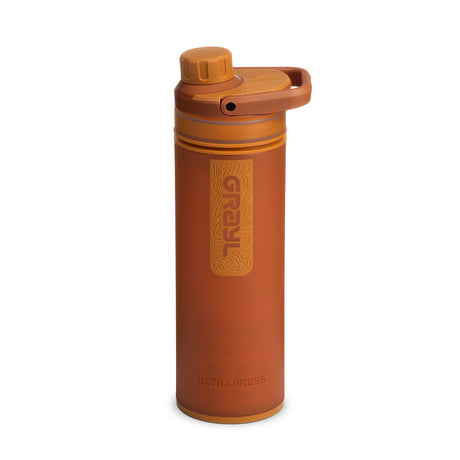
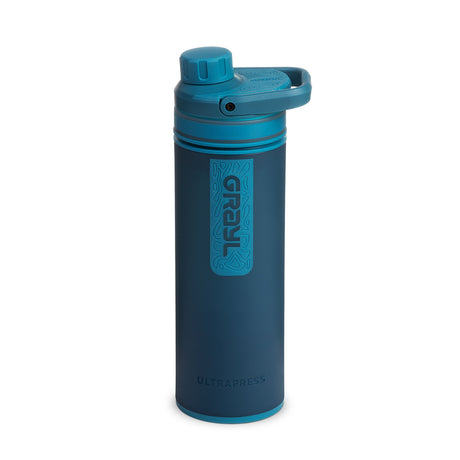
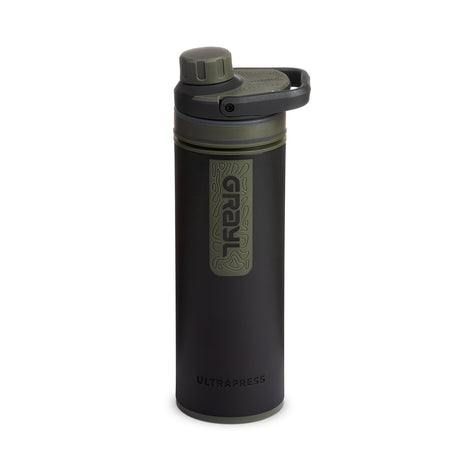
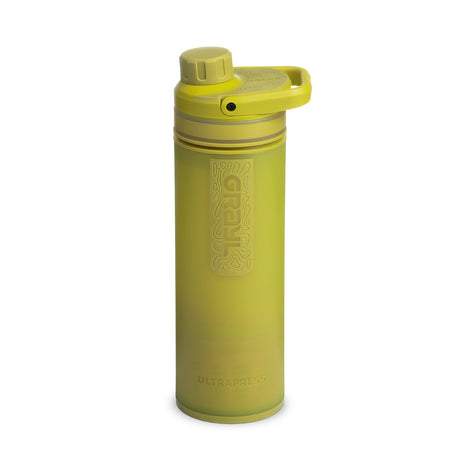
Grayl - 16.9oz UltraPress Purifier - Nature Series
Regular price $8995Unit price -
























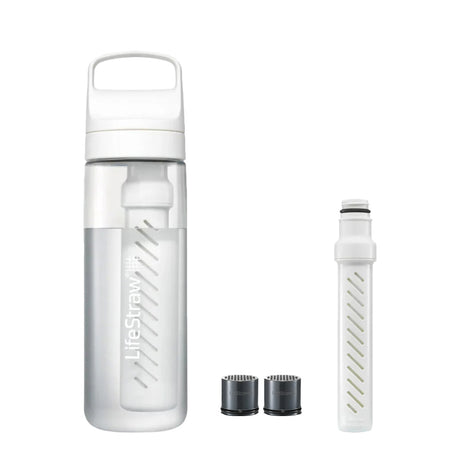
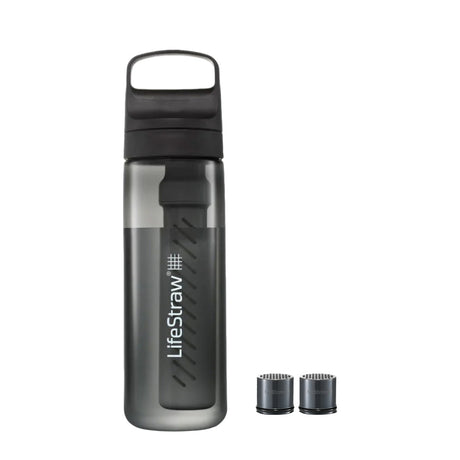
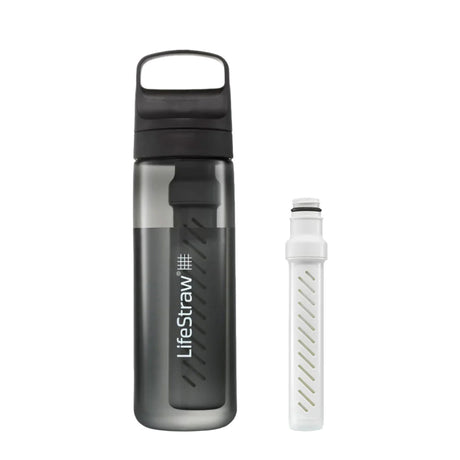
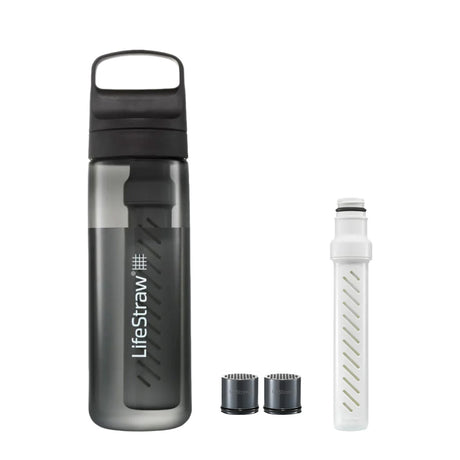




Squeeze Systems
View all-
-
-
-
-
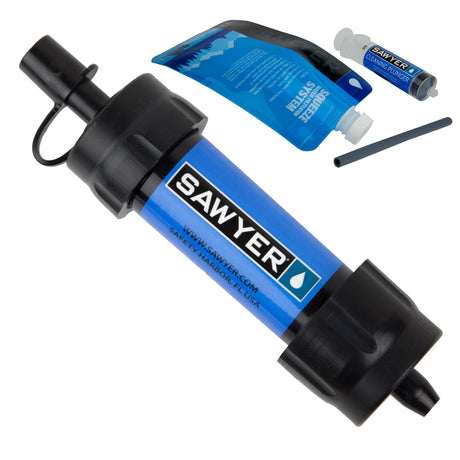
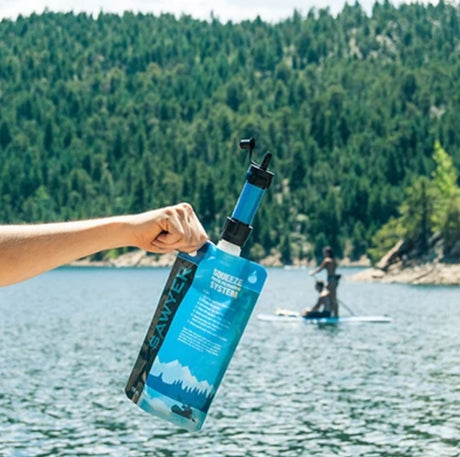
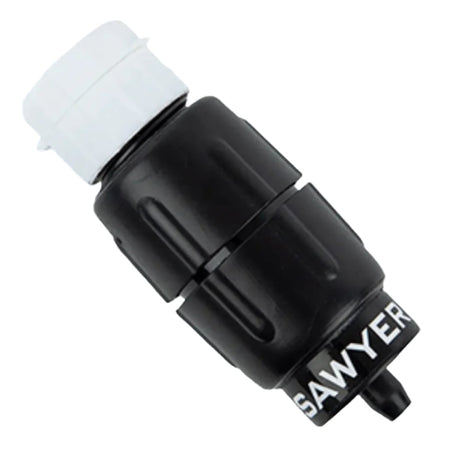
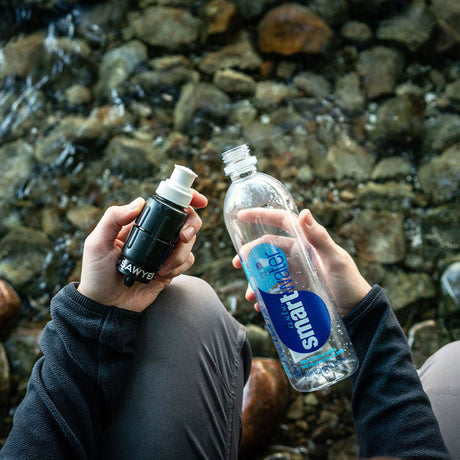
Sawyer - Micro Squeeze Water Filtration System
Regular price $3399Unit price -
-
Sold out
-
-
-
-
-
-
Sawyer - Squeezable Water Pouch Set: Multiple Sizes
Regular priceFrom $995Unit price -
-
Sawyer - One Gallon Gravity Water Filtration System
Regular price $4699Unit price -
-
Sawyer - Squeeze Water Filtration System with 2L Bladder, Blue
Regular price $5799Unit price -
-
-
-
LifeStraw - Peak Series Collapsible 1L Bottle Filter
Regular price $4395Unit price -
-
LifeStraw - Peak Series 650 ml Collapsible Filter Bottle
Regular price $3795Unit price -










Straw Filters
View all-
Regular price $2995Unit price
-
-
Regular price $2495Unit price
-
-
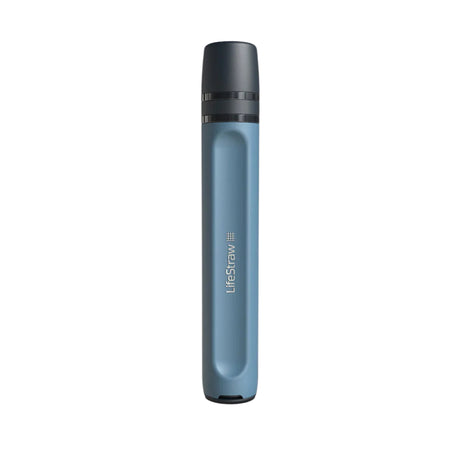
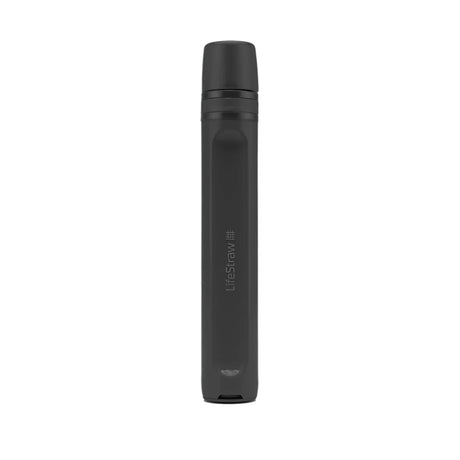
LifeStraw - Sip Straw Filter with Carry Case 3-Pack
Regular price $8895Unit price -
-
LifeStraw - Sip Steel Filter Straw with Carry Case
Regular price $3495Unit price -
-
Sold out36% off
Aquamira – Survival Straw Emergency Water Filter
Sale price $1595 Regular price $2495Unit price -




Gravity Systems
View all-
LifeStraw - Peak Series Gravity Water Purifier System 8L
Regular price $18995Unit price -
-
-
-
6% off
LifeStraw – Escape High-Flow Pressurized Water Purifier
Sale price $32995 Regular price $34999Unit price -
-
-
-
LifeStraw - Peak Series Gravity Filter System – 3L
Regular price $6595Unit price -
-
LifeStraw - Peak Series Gravity Filter System – 8L
Regular price $9595Unit price -
-
LifeStraw - Peak Series 8L Gravity Water Filter System
Regular price $14995Unit price -
-
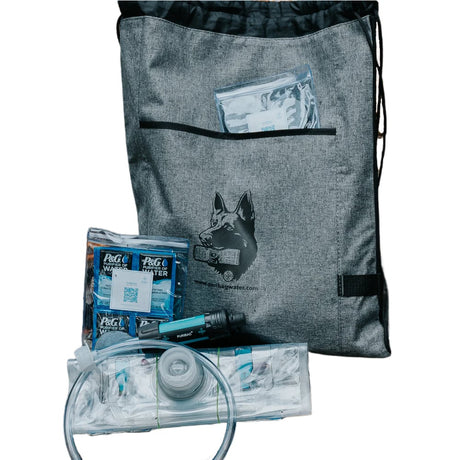
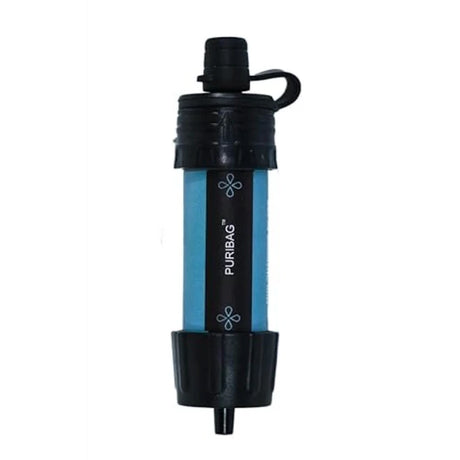
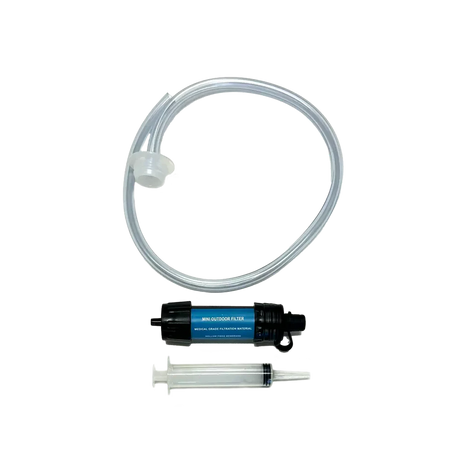
Puribag Water - Micro Pro Kit Membrane Filter & Straw
Regular price $2799Unit price -
-
-
-
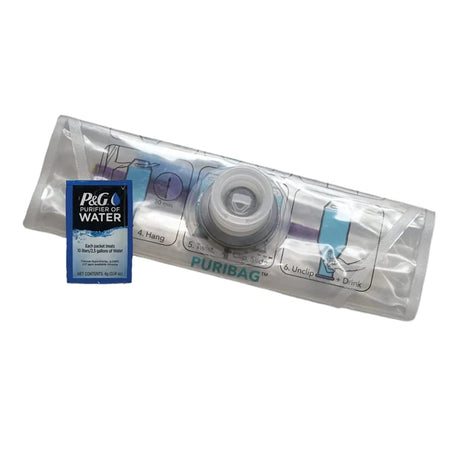
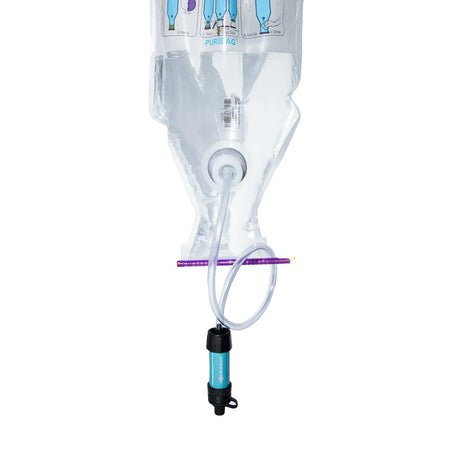
Puribag Water - Pro Filtration System 120L Kit
Regular price $6999Unit price -












Chemical Treatment
View all-
-
-
 17% off
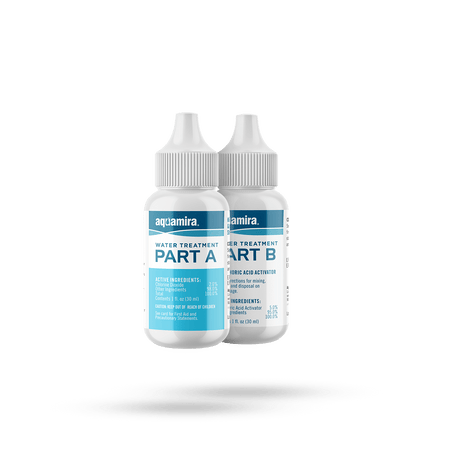
Aquamira - Water Treatment (1oz)
Sale price $1249 Regular price $1499Unit price -
15% off
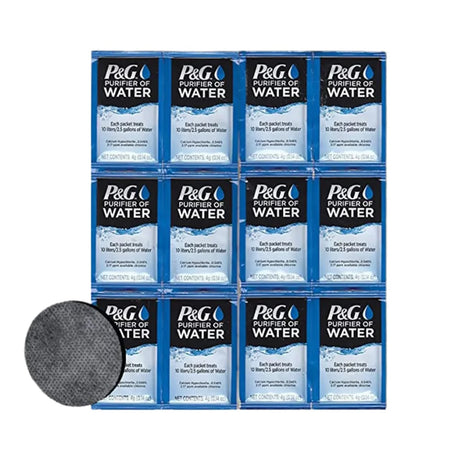
Coghlans - Emergency Drinking Water Tablets
Sale price $1099 Regular price $1299Unit price -
-
Puribag Water - Micro Pro Kit Membrane Filter & Straw
Regular price $2799Unit price -
-
-
-
Puribag Water - Pro Filtration System 120L Kit
Regular price $6999Unit price -
-
Puribag Water - P&G Expansion Pack
Regular price $3499Unit price -
-
Up to 28% off
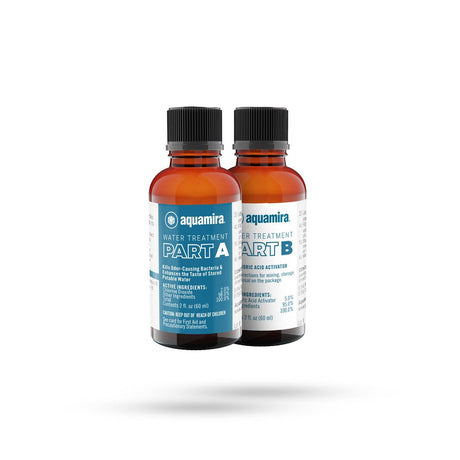
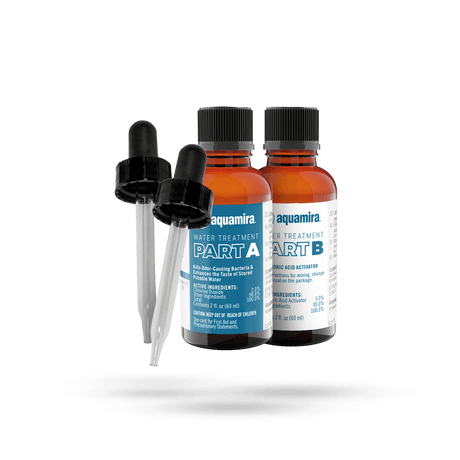
Aquamira - Chlorine Dioxide Water Treatment (2oz)
Sale priceFrom $1449 Regular price $1999Unit price -




Packs & Bladders
View all-
15% off
Coghlans - Collapsible Water Container 5 Gallon
Sale price $1699 Regular price $1999Unit price -
-
 15% off
HUMANGEAR - STAX XL Container - Grey/Blue
Sale price $2805 Regular price $3299Unit price -

HUMANGEAR - GoTubb Large 2-Pack Clear/Blue
Regular price $1499Unit price -
 14% off
ACECAMP - Accordion Jerrycan 8L
Sale price $1199 Regular price $1399Unit price -
ALPS Mountaineering - Hydro Trail 17 Backpack - Chili
Regular price $15999Unit price -
-
COGHLANS - Lightweight Dry Bag 10L
Regular price $2299Unit price -
-
11% off
COGHLANS - Lightweight Dry Bag 40L
Sale price $3299 Regular price $3699Unit price -
-
OLICAMP - Space Saver Titanium Mug with Nalgene Bottle
Regular price $5499Unit price -
-
21% off
Coghlans - Expandable Water Carrier 2 Gallon
Sale price $2300 Regular price $2899Unit price -
-
11% off
COGHLANS - Expandable Camp Jug
Sale price $1599 Regular price $1799Unit price -
-

NALGENE - Wide-Mouth Cantene 96 oz
Regular price $2599Unit price -
 10% off
Peregrine - Tough Sack Dry 36L with Berry Strap
Sale price $2970 Regular price $3299Unit price -
SILVA - Soft Flask 250ml for Strive Vests
Regular price $1599Unit price -
-
SILVA - Hydration Reservoir 1L for Strive Series
Regular price $5499Unit price -
-
SILVA - Soft Flask with Straw 500ml
Regular price $1999Unit price -
-
SILVA - Soft Flask 500ml for Strive Running Vests
Regular price $1999Unit price -
-
5% off
ReadyWise - Water Bottle with Advanced Filter - 28 oz
Sale price $3499 Regular price $3674Unit price -
-
-
-
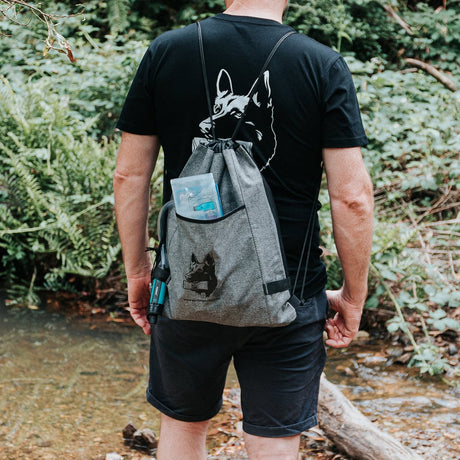
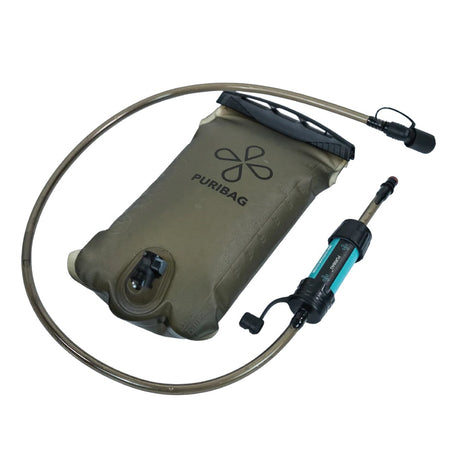
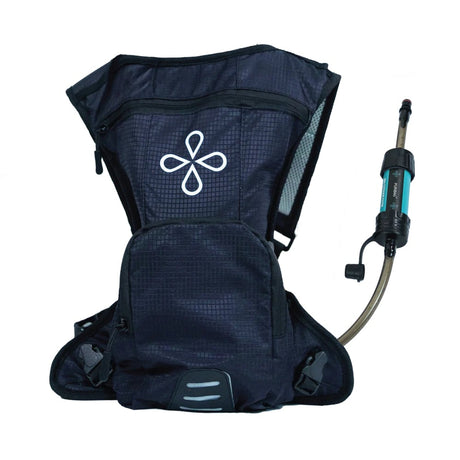
Puribag Water - Adventure Hydration Pack with Filter Kit
Regular price $11999Unit price -






Filter Refills
View all-
-
-
-
-

LifeStraw - Carbon Ion Exchange Filter Cartridge Replacement
Regular price $1250Unit price -
LifeStraw - Peak Series Membrane Replacement Filter
Regular price $1995Unit price -
-
27% off
Aquamira - Series IV Replacement Filters - Everyday
Sale price $1095 Regular price $1499Unit price -
-

Guzzle H2O - Replacement Cartridge Set for Stealth 2X10
Regular price $6500Unit price -

Guzzle H2O - Replacement Sediment Filter for Guide Prefilter
Regular price $3200Unit price -

Guzzle H2O - Twist Lock Replacement Carbon Block Cartridge
Regular price $12000Unit price -

Guzzle H2O - Replacement Sediment Filter for Scout Prefilter
Regular price $1200Unit price -

Guzzle H2O - 10 Inch Carbon Block Cartridge
Regular price $4000Unit price -

Guzzle H2O - 5 Inch Carbon Block Cartridge
Regular price $2800Unit price -
LifeStraw - Peak Series Personal Water Filter Straw Carry Case
Regular price $995Unit price -
-
LifeStraw - Peak Series Activated Carbon & Ion Exchange Filter
Regular price $1495Unit price -
-
LifeStraw - Peak Series Solo Carry Case
Regular price $995Unit price -
-
35% off
Aquamira - Series IV Replacement Filters - Worldwide
Sale price $1295 Regular price $1999Unit price -
-
20% off
Aquamira - Series IV Replacement Filter for Backcountry Plus
Sale price $3195 Regular price $3999Unit price -
-
28% off
Aquamira - Series IV Replacement Filters for Backcountry Use
Sale price $1449 Regular price $1999Unit price -
-
LifeStraw - Go Carbon Filter Replacement
Regular price $995Unit price -
-
LifeStraw - Go Series Replacement Membrane Microfilter
Regular price $2495Unit price -
-
Puribag Water - Carbon Filter Replacement Pack
Regular price $2499Unit price -


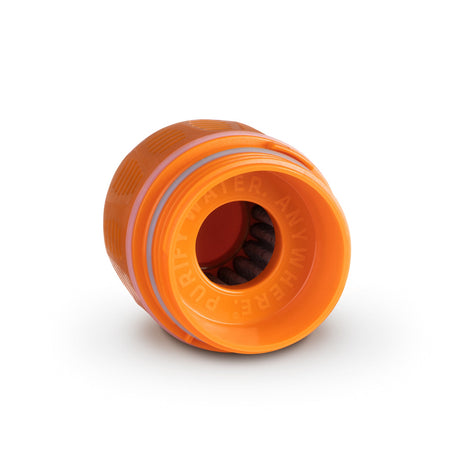


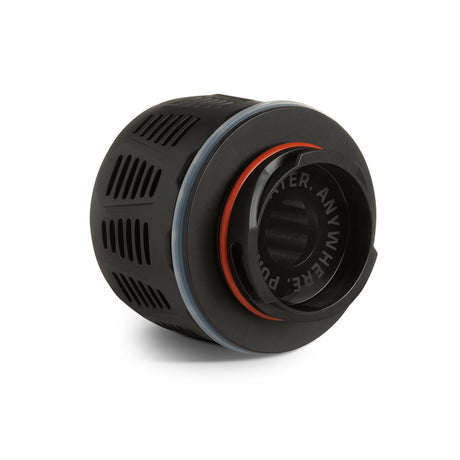
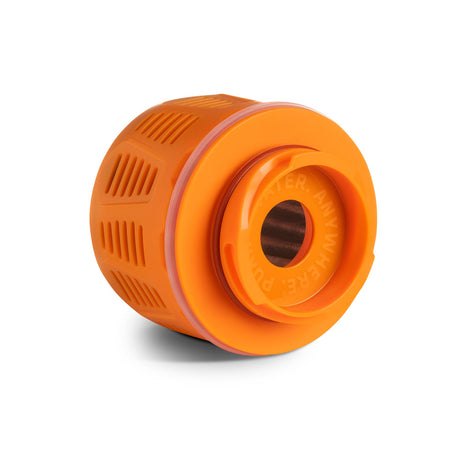


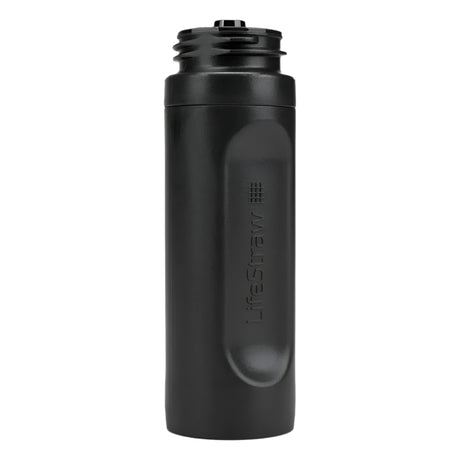





Parts & Accessories
View all-

Sawyer - 50 mL Backwashing Syringe
Regular price $399Unit price -
Regular price $399Unit price
-
-
 10% off
EQUINOX - Insulated Bottle Bag for 32 oz Nalgene
Sale price $3149 Regular price $3499Unit price -
 10% off
EQUINOX - Cordura/Packcloth Bottle Bags for Nalgene Bottles
Sale price $1349 Regular price $1499Unit price -

Guzzle H2O - Stealth Mounting Bracket for Horizontal Surfaces
Regular price $4000Unit price -

Guzzle H2O - 5' Outlet Hose for Stream System
Regular price $4000Unit price -
Guzzle H2O - Replacement O-Rings for Stream Quick Connect
Regular price $400Unit price -
-

Guzzle H2O - Faucet Tee Install Kit for Storyteller Vans
Regular price $8500Unit price -
Guzzle H2O - In-line Install Kit for Flex 5
Regular price $7500Unit price -
-

Guzzle H2O - Filter Wrench for Filter Housings
Regular price $1000Unit price -
Guzzle H2O - Replacement Power Cable for Stealth Series
Regular price $3000Unit price -
-

Guzzle H2O - Elbow Swivel Inlet Fitting for Stealth Series
Regular price $1200Unit price -

Guzzle H2O - Pex Adapter for Stealth Series
Regular price $800Unit price -

Guzzle H2O - Garden Hose Conversion Kit
Regular price $1800Unit price -

Guzzle H2O - O-Ring for Filter Housings
Regular price $400Unit price -
Guzzle H2O - 30' Outlet Hose for Stream System
Regular price $7500Unit price -
-
Guzzle H2O - Klickitat Bag for Water Filtration Equipment
Regular price $11500Unit price -
-
Guzzle H2O - Guide Prefilter for Stream System
Regular price $8000Unit price -
-
Guzzle H2O - Scout Prefilter for Stream System
Regular price $4000Unit price -
-
Guzzle H2O - Brushed Stainless Steel Faucet
Regular price $3600Unit price -
-

Guzzle H2O - Revel Install Kit / Shut Off Tee for PEX
Regular price $8500Unit price -
Guzzle H2O - Replacement Stream Charger
Regular price $3000Unit price -
-

NALGENE - OTF Lid Juniper/Orange
Regular price $699Unit price -

NALGENE - WM Loop-Top Lid Yellow for 32oz & 12oz Bottles
Regular price $349Unit price


-
-
-
-
Sawyer - 50 mL Backwashing Syringe
Regular price $399Unit price Sawyer - Micro Squeeze Water Filtration System
Regular price $3399Unit price-
Grayl - 24oz GeoPress Purifier - Covert Series
Regular price $9995Unit price-
LifeStraw - Peak Series Gravity Water Purifier System 8L
Regular price $18995Unit price-
- Regular price $2995Unit price
-
- Sold out
-
-
-
Grayl - 24oz GeoPress Ti Plus Purifier
Regular priceFrom $19995Unit price-
-
-
-
17% off
Aquamira - Water Treatment (1oz)
Sale price $1249 Regular price $1499Unit price - 10% off
Olicamp - Space Saver Nalgene Blue
Sale price $2970 Regular price $3299Unit price -


Water Filtration Comparison: Survival & Emergency Use
| Brand | Filtration Method | Pathogen Coverage | Chemical Reduction | Key Strengths | Limitations | Best Use Case |
|---|---|---|---|---|---|---|
| Aquamira | Electro-adsorptive media + activated carbon | Bacteria, protozoa; adsorption-based removal of some viruses | Yes | Lightweight, no membrane clogging, improves taste | Lower lifespan than membrane filters; no micron rating | Emergency kits, go-bags |
| Sawyer | Hollow-fiber membrane | Bacteria, protozoa | No | Extremely long lifespan, fine pore size | No virus or chemical removal; can clog | Backpacking, long-term outdoor use |
| LifeStraw | Hollow-fiber membrane | Bacteria, protozoa | No | Simple, lightweight, easy to use | Shorter lifespan; limited protection | Travel, basic emergency backup |
| PURIBAG | Chemical flocculation + filtration | Bacteria, protozoa, viruses | Yes | Handles extremely contaminated water | Requires chemicals, time, and mixing | Disaster relief, group treatment |
| GRAYL | Press-style purifier with carbon + ion exchange | Bacteria, protozoa, viruses | Yes | Fast purification, excellent taste | Heavier; lower total capacity | Travel, international use |
Water Filtration Comparison
Aquamira
Filtration: Electro-adsorptive media + carbon
Pathogens: Bacteria, protozoa; adsorption-based virus removal
Chemicals: Yes
Strengths: Lightweight, no clogging, improves taste
Limitations: Shorter lifespan; no micron rating
Best For: Emergency kits and go-bags
Sawyer
Filtration: Hollow-fiber membrane
Pathogens: Bacteria, protozoa
Chemicals: No
Strengths: Extremely long lifespan
Limitations: No virus or chemical removal
Best For: Backpacking
LifeStraw
Filtration: Hollow-fiber membrane
Pathogens: Bacteria, protozoa
Chemicals: No
Strengths: Simple and lightweight
Limitations: Shorter lifespan
Best For: Travel and backup use
PURIBAG
Filtration: Chemical flocculation
Pathogens: Bacteria, protozoa, viruses
Chemicals: Yes
Strengths: Treats worst water sources
Limitations: Requires consumables
Best For: Group disaster relief
GRAYL
Filtration: Press purifier + carbon
Pathogens: Bacteria, protozoa, viruses
Chemicals: Yes
Strengths: Fast, excellent taste
Limitations: Heavier, limited volume
Best For: Travel and urban water
Water Filtration & Purification FAQ - Emergency Hydration Systems
What's the difference between water filters and water purifiers for survival?
What's the difference between water filters and water purifiers for survival?
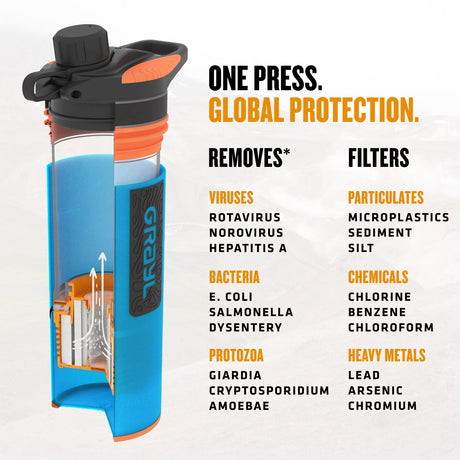
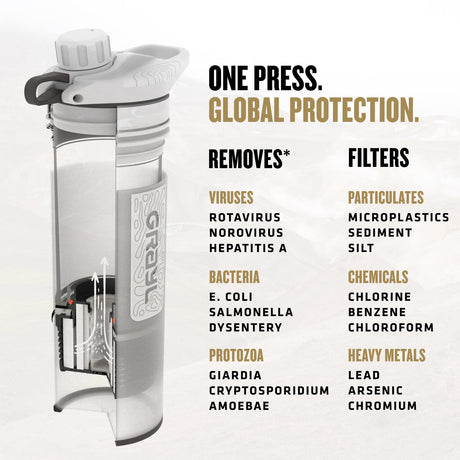
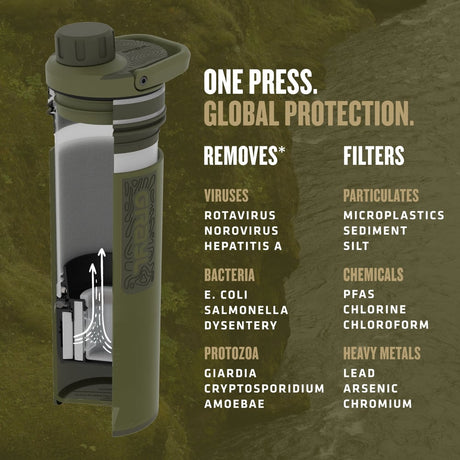
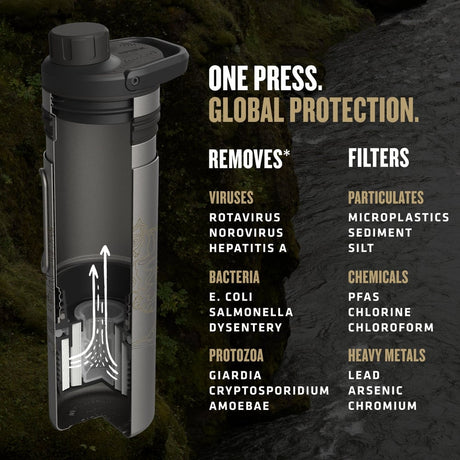
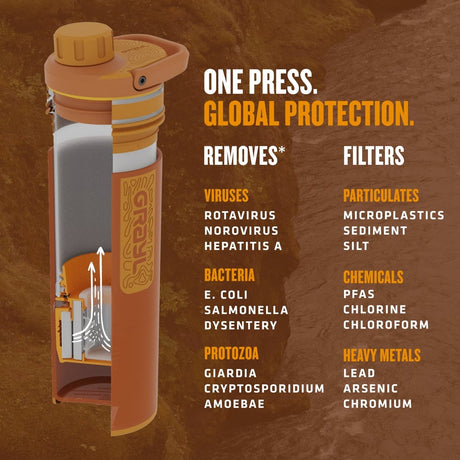
Water filters remove bacteria, protozoa, and sediment through physical barriers (typically 0.1-0.2 micron pore size), making them effective against organisms like Giardia, Cryptosporidium, and E. coli found in backcountry water sources. Water purifiers like the Grayl GeoPress and UltraPress go further by eliminating viruses (which are smaller than filter pore sizes) through additional purification technology such as electroadsorption or chemical treatment. Viruses are primarily concerns in international travel or areas with human/animal waste contamination. For North American wilderness, quality filters like the Sawyer Micro Squeeze suffice. For international emergencies, urban disaster scenarios, or contaminated municipal water, choose purifiers that eliminate all waterborne pathogens including viruses. The Grayl purifier systems remove 99.99% of viruses, bacteria, and protozoa while also filtering heavy metals and chemicals.
How do squeeze water filtration systems work and when should I use them?
How do squeeze water filtration systems work and when should I use them?
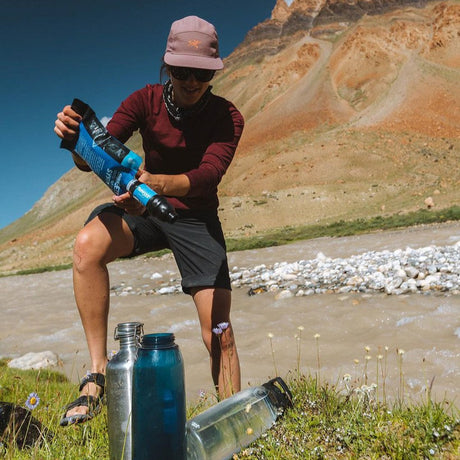
Squeeze water filtration systems like the Sawyer Micro Squeeze use hollow fiber membrane technology with 0.1 micron absolute pores. You fill a collapsible pouch with untreated water, screw on the filter, then squeeze the pouch to force water through thousands of microscopic hollow fibers that trap bacteria and protozoa while allowing clean water to flow through. This method offers significant advantages: lightweight and packable (the Sawyer Micro Squeeze weighs under 2 ounces), fast flow rates for filling bottles quickly, no pumping effort required, and versatility to drink directly, fill hydration bladders, or inline with hydration packs. The Sawyer systems filter up to 100,000 gallons over their lifetime when properly maintained. Squeeze systems excel for backpacking, bug-out bags, and scenarios where weight matters but you have access to relatively clear water sources. Avoid using with extremely silty or contaminated water that will clog filters rapidly.
What are the advantages of gravity water filter systems for emergency preparedness?
What are the advantages of gravity water filter systems for emergency preparedness?
Gravity water filtration systems like the LifeStraw Peak Series 8L and Puribag Pro Kit provide hands-free, high-volume water processing ideal for basecamp situations, family emergencies, or group preparedness. Fill the reservoir with untreated water, hang it above collection containers, and gravity pulls water through the filter without pumping, squeezing, or electricity. The LifeStraw Peak Series 8L can filter the entire 8 liters in approximately 5-7 minutes, providing enough drinking water for multiple people simultaneously. Gravity systems shine during extended emergencies where you need continuous clean water production—natural disasters, power outages affecting municipal water, or refugee/evacuation scenarios. The Puribag Pro Kit processes 120 liters and includes both membrane filters and chemical treatment options for comprehensive water security. Trade-offs include bulk (less packable than squeeze systems) and setup time, making gravity systems better suited for stationary camps than mobile bug-out situations.
How effective are water filter bottles like Grayl and LifeStraw for urban emergencies?
How effective are water filter bottles like Grayl and LifeStraw for urban emergencies?
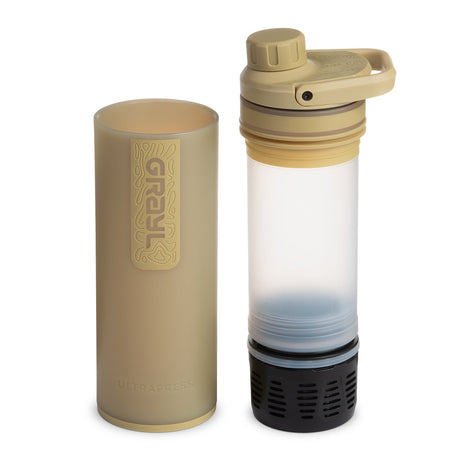
Water filter bottles combine filtration/purification with drinking containers in one integrated unit, making them ideal for urban emergency preparedness, everyday carry, and bug-out bags. The Grayl GeoPress (24oz) and UltraPress (16.9oz) use press-action purification removing viruses, bacteria, protozoa, heavy metals, and chemicals in just 8-10 seconds per fill. This makes Grayl superior for urban water sources (rivers, pools, suspicious tap water) where viral contamination is possible. LifeStraw Go Series bottles provide excellent bacterial/protozoan filtration but don't remove viruses. Filter bottles excel in scenarios where you're on the move with unpredictable water sources—evacuation routes, urban survival, international travel, or as everyday EDC ensuring clean water anywhere. The self-contained design means no separate pouches or hoses to manage. For maximum urban emergency preparedness, the Grayl purifier bottles provide virus protection critical in disaster scenarios with compromised municipal water systems.
What is the lifespan of survival water filters and when do they need replacement?
What is the lifespan of survival water filters and when do they need replacement?
Water filter lifespan varies dramatically by technology and usage. Sawyer Micro Squeeze hollow fiber filters can process 100,000 gallons (essentially lifetime use for individuals) if properly backflushed to remove trapped debris—backflush every 5-10 uses with the included syringe. Grayl purifier cartridges last 250-300 presses (approximately 40-65 gallons) before requiring replacement, with replacement cartridges available in the filter refills section. LifeStraw products typically last 1,000-4,000 liters depending on the model before filter replacement. Gravity system filters like LifeStraw Peak Series last 2,000 liters per filter. Chemical treatments like Aquamira Chlorine Dioxide treat up to 30-60 gallons per bottle. For emergency preparedness, stock replacement filters appropriate to your primary system—Sawyer filters rarely need replacement but keep spare O-rings, while Grayl users should maintain 2-3 spare purifier cartridges. Filter lifespan decreases with silty, contaminated water that clogs pores faster. Store filters dry and inspect annually for damage or degradation.
Should I use chemical water treatment or physical filtration for emergencies?
Should I use chemical water treatment or physical filtration for emergencies?
Both chemical water treatment and physical filtration have distinct roles in emergency water preparedness. Chemical treatments like Aquamira Chlorine Dioxide kill viruses, bacteria, and protozoa through oxidation but require 4-30 minute wait times and don't remove sediment, heavy metals, or improve taste. Chemicals are ultra-lightweight, inexpensive backups ideal for bug-out bags where weight is critical. Physical filters provide instant safe water, remove sediment and improve taste, and don't impart chemical flavors. The optimal strategy: use physical filtration (Sawyer Micro Squeeze, Grayl, or gravity systems) as your primary method for convenience and speed, then maintain chemical treatment as lightweight backup for filter failure, extremely contaminated water requiring pre-treatment, or bulk water storage disinfection. The Puribag Pro Kit intelligently combines both approaches with membrane filters plus chemical treatment capacity. For comprehensive emergency preparedness, include both methods to ensure redundancy when equipment fails or scenarios exceed one method's capabilities.
What's the best portable water filtration system for bug-out bags?
What's the best portable water filtration system for bug-out bags?
The ideal bug-out bag water filtration balances weight, effectiveness, durability, and versatility. Top choices include the Sawyer Micro Squeeze 2L kit offering 100,000-gallon capacity in a 2-ounce package that can filter into bottles, drink inline, or serve as gravity system—maximum versatility at minimal weight. The Grayl UltraPress provides viral purification in an integrated bottle perfect for urban evacuation where contaminated municipal water is likely. The LifeStraw Peak Series 650ml Collapsible gives ultra-compact filtered hydration when packed space is critical. For comprehensive coverage, include primary filter (Sawyer Micro Squeeze for versatility), backup chemical treatment (Aquamira Chlorine Dioxide for 1oz weight), and collapsible water containers. Avoid bulky gravity systems or heavy pump filters in bug-out bags—prioritize speed of deployment and weight efficiency. Test your chosen system before emergencies to understand flow rates, backflushing procedures, and limitations so you're not learning critical skills under stress.
How do hydration bladder filter systems work for tactical and outdoor use?
How do hydration bladder filter systems work for tactical and outdoor use?
Hydration bladder filter systems like the Puribag Adventure Bladder integrate filtration directly into hydration packs, allowing you to fill bladders with untreated water and filter on-demand through the drinking tube. Some systems use inline filters (attaches between bladder and bite valve), while others like Puribag build filters into the bladder itself. This hands-free approach provides continuous filtered water during movement—hiking, tactical operations, or evacuation—without stopping to filter into bottles. The Puribag Adventure Pack includes both 2L bladder with integrated filter and complete membrane filter kit for maximum versatility. Advantages include maintaining tactical mobility, freeing hands for other tasks, and discrete water procurement from questionable sources without revealing you're filtering. Disadvantages include slightly restricted flow rates compared to unfiltered hydration, filter maintenance challenges in the field, and bladder compatibility issues. These systems excel for active scenarios where stopping to filter interrupts mission objectives or creates security risks.
Can water filters remove chemicals, heavy metals, and agricultural runoff?
Can water filters remove chemicals, heavy metals, and agricultural runoff?
Most survival water filters primarily target biological contaminants (bacteria, protozoa, viruses) rather than dissolved chemicals or heavy metals. Standard hollow fiber filters like Sawyer Micro Squeeze do NOT remove chemicals, pesticides, herbicides, or heavy metals—they only filter particles larger than 0.1 microns. Grayl purifier systems stand out by incorporating activated carbon and ion exchange media that reduce heavy metals, chemicals, pesticides, herbicides, VOCs, and other dissolved contaminants in addition to biological purification. If your emergency water sources may contain agricultural runoff, industrial contamination, or urban pollutants, choose Grayl GeoPress or UltraPress purifiers. For extremely contaminated water, consider multi-stage approaches: pre-filter sediment with coffee filters, run through Grayl purifier for comprehensive treatment, then use chemical treatment for additional safety. Chemical treatments alone (chlorine dioxide, iodine) kill pathogens but don't remove chemicals. For preparedness in agricultural or industrial areas, invest in purifiers with activated carbon rather than basic filters.
How should I maintain and store water filters for long-term emergency preparedness?
How should I maintain and store water filters for long-term emergency preparedness?
Proper water filter maintenance and storage ensures reliability when emergencies strike. After each use, thoroughly flush filters to remove trapped debris—Sawyer filters require backflushing with included syringe, Grayl purifiers self-clean during press action. Critical: Never let hollow fiber filters freeze when wet—ice crystals crack microscopic filter fibers, destroying effectiveness. Store Sawyer and LifeStraw filters completely dry or with anti-freeze treatment if winter storage is unavoidable. Grayl purifiers should be stored with cartridge removed and both components dried. Chemical treatments like Aquamira Chlorine Dioxide last 4-5 years unopened; inspect annually for seal integrity. Store all filtration equipment in climate-controlled locations between 40-80°F. Include maintenance supplies: spare O-rings for Sawyer, replacement purifier cartridges for Grayl, backflush syringes, and instructions. Test filters every 6 months during preparedness drills—pump dirty water through to ensure proper flow rates and familiarize yourself with operation before stressful emergencies demand immediate performance. Replace any components showing damage, restricted flow, or contamination.
What backup water treatment should I keep for filter system failure?
What backup water treatment should I keep for filter system failure?
Every preparedness plan needs redundant water treatment capability for equipment failure. Primary backup: chemical treatment like Aquamira Chlorine Dioxide, which weighs mere ounces, never fails mechanically, and treats 30-60 gallons per bottle. Store multiple bottles in different locations—home, vehicle, bug-out bag—ensuring water treatment capability even if primary filters are lost or damaged. Secondary backup: boiling—bringing water to rolling boil for 1 minute kills all biological pathogens without equipment, though it doesn't remove chemicals or sediment. Include fuel sources (camp stove, fire starter materials) specifically for water boiling in emergency kits. Tertiary backup: multiple filter systems using different technologies—pair a Sawyer Micro Squeeze with Grayl UltraPress so filter failure doesn't eliminate all water treatment capability. The Puribag Pro Kit intelligently builds redundancy with both membrane filters and chemical treatment in one package. Water is non-negotiable for survival—your backup systems should have backups.
How much water filtration capacity do I need for family emergency preparedness?
How much water filtration capacity do I need for family emergency preparedness?
Calculate family water filtration needs based on consumption rates and emergency duration. Plan for 1 gallon per person per day minimum (drinking and basic hygiene), though 2 gallons provides more comfortable margin for cooking and sanitation. A family of four needs 8-16 gallons daily. Short-term emergencies (72 hours): personal filter bottles like Grayl GeoPress for each family member plus one Sawyer Micro Squeeze as backup covers most scenarios. Extended emergencies (1-4 weeks): upgrade to gravity systems like LifeStraw Peak Series 8L that process multiple gallons hands-free, or Puribag Pro Kit with 120-liter capacity. Long-term preparedness (1-6 months): combine high-volume gravity systems with multiple squeeze filters distributed among family members' bug-out bags, chemical treatment for bulk water storage, and boiling capability. The Sawyer Micro Squeeze's 100,000-gallon capacity could theoretically filter a family's water for years if maintained properly. For comprehensive family preparedness, invest in one high-capacity system (gravity) for basecamp plus individual portable filters for each family member's mobile kit.