
MY MEDIC

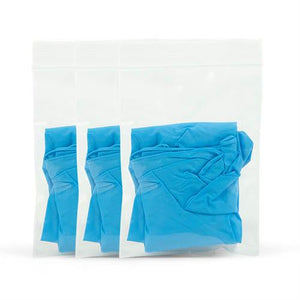
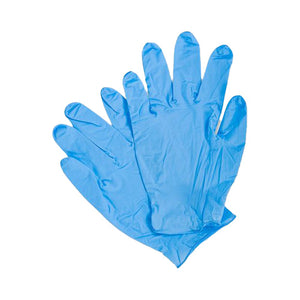
3 Pairs of Disposable Latex-Free Gloves

Regular price $795
Shipping calculated at checkout.


Ethereum Bitcoin Pay with Crypto — Choose Bankful at checkout.

Description

1 pair of disposable gloves

Payment & Security

Payment methods

  • American Express
  • Apple Pay
  • Diners Club
  • Discover
  • Google Pay
  • JCB
  • Mastercard
  • Visa

Your payment information is processed securely. We do not store credit card details nor have access to your credit card information.
Frequently Asked Questions

What are the primary uses for disposable latex-free gloves in emergency preparedness?

Disposable latex-free gloves are essential for maintaining hygiene and preventing contamination during emergencies. They are particularly useful in situations where you need to handle food, provide first aid, or clean up hazardous materials. In a bug-out scenario, these gloves can protect your hands from exposure to harmful substances and pathogens. However, it's important to note that while they offer a barrier, they are not suitable for protection against all chemicals or pathogens. For more comprehensive protection, consider integrating them into a broader emergency kit.

For more information on essential items to include in your emergency kit, check out our Essential Items for a Bug Out Bag.

How do disposable latex-free gloves compare to latex gloves in terms of durability?

Disposable latex-free gloves are designed to provide similar levels of protection and comfort as latex gloves, but without the risk of allergic reactions. They are typically made from materials like nitrile or vinyl, which are durable and resistant to punctures and tears. While they may not have the same elasticity as latex, they offer adequate protection for most tasks. In situations where you anticipate heavy or prolonged use, it might be beneficial to have a backup supply or consider gloves specifically designed for durability.

Are these gloves suitable for medical emergencies?

Yes, disposable latex-free gloves are suitable for basic medical emergencies, especially for those with latex allergies. They can be used for handling bodily fluids, dressing wounds, and other first aid applications. However, for more serious medical situations, it's important to ensure that the gloves meet specific medical standards and are part of a comprehensive first aid kit. Always pair glove use with proper hand hygiene practices to maximize safety.

For a detailed guide on first aid kits, visit our Definitive Guide to First Aid Kits.

Can these gloves be used for food handling in emergencies?

Yes, disposable latex-free gloves are a good choice for food handling, especially in emergency situations where hygiene is crucial. They help prevent cross-contamination and maintain cleanliness, which is vital when resources are limited. Ensure that the gloves are food-safe and change them frequently to avoid contamination. While they are effective for short-term use, they should be part of a broader food safety strategy, including proper food storage and preparation techniques.

Explore more about food safety in emergencies in our Guide to Spotting Food Spoilage.

How should disposable latex-free gloves be stored for long-term use?

To ensure the longevity of disposable latex-free gloves, store them in a cool, dry place away from direct sunlight and heat sources. Exposure to heat and light can degrade the material, reducing their effectiveness. Keep them in their original packaging until ready for use to prevent contamination. Proper storage is crucial for maintaining the integrity of the gloves, especially when they are part of your emergency preparedness supplies.

What are the limitations of using disposable latex-free gloves in a survival situation?

While disposable latex-free gloves are versatile, they have limitations in survival situations. They are not designed for heavy-duty tasks or prolonged exposure to harsh chemicals. The gloves can tear or puncture if subjected to sharp objects or rough handling. In survival scenarios, where durability is critical, consider using gloves specifically designed for tougher conditions. Always assess the task at hand to ensure you are using the appropriate type of glove.

Are these gloves biodegradable or environmentally friendly?

Most disposable latex-free gloves are not biodegradable, as they are typically made from synthetic materials like nitrile or vinyl. While they provide essential protection, their environmental impact is a consideration. Proper disposal is important to minimize their impact on the environment. If environmental concerns are a priority, look for gloves specifically labeled as biodegradable or explore other sustainable options.

Can these gloves be used in cold weather conditions?

Disposable latex-free gloves can be used in cold weather, but they offer limited insulation. They are effective at providing a barrier against moisture and contaminants but do not provide warmth. In extremely cold conditions, consider layering them under insulated gloves to maintain dexterity while keeping warm. This combination can be particularly useful in emergency situations where both protection and warmth are necessary.

For more on staying warm in cold conditions, see our Cold Weather Survival Techniques.

What precautions should be taken when using these gloves for cleaning purposes?

When using disposable latex-free gloves for cleaning, ensure they are suitable for the chemicals involved. While they offer protection against mild cleaning agents, they may not withstand strong chemicals or solvents. Always check the compatibility of the glove material with the cleaning agents you plan to use. Additionally, replace gloves immediately if they become damaged or compromised to maintain effective protection.

How can these gloves be integrated into a comprehensive emergency kit?

Disposable latex-free gloves are a valuable addition to any emergency kit, providing protection for a variety of tasks. They can be used for medical, food handling, and cleaning purposes, making them versatile in emergency situations. Include them alongside other essential items such as first aid supplies, water purification tools, and food storage solutions. Regularly review and update your kit to ensure all components are in good condition and meet your preparedness needs.

For more on building a comprehensive emergency kit, visit our Complete Guide to Emergency Preparedness Kits.