

- Up to 8% off
-
- Up to 8% off
-
- Up to 8% off
-




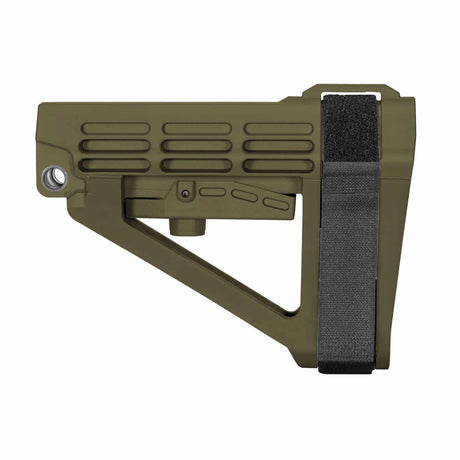


SB Tactical Pistol Stabilizing Brace FAQ
What is SB Tactical and what products do they manufacture?
What is SB Tactical and what products do they manufacture?
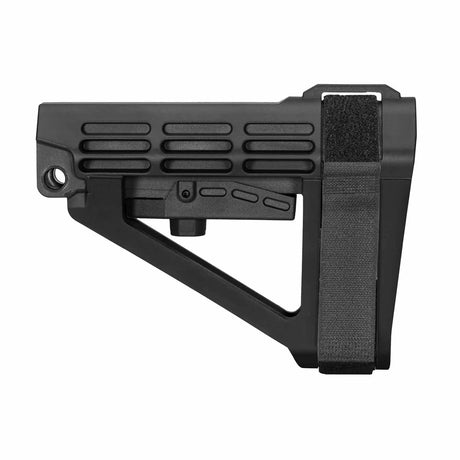
SB Tactical is the original inventor and leading manufacturer of pistol stabilizing braces, devices designed to improve shooting stability and control for AR-style pistols and other large-format handguns. The company pioneered the pistol brace category, developing innovative solutions that attach to pistol buffer tubes and provide a stabilizing surface against the shooter's forearm. SB Tactical's product line includes the popular SBA3, SBA4, and SBA5 stabilizing braces, each offering different features, adjustment mechanisms, and aesthetic profiles. The company focuses exclusively on stabilizing brace design and engineering, making them the category leader with the most experience and product development in this specialized market segment. SB Tactical braces are known for quality construction, comfortable fit, reliable adjustment mechanisms, and wide compatibility with various AR pistol platforms and buffer tube configurations.
What is a pistol stabilizing brace and what is its intended purpose?
What is a pistol stabilizing brace and what is its intended purpose?
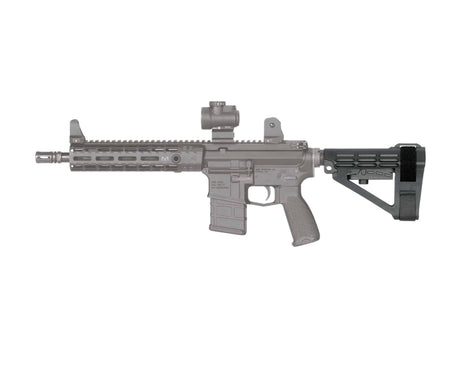
A pistol stabilizing brace is a firearm accessory designed to provide improved stability and control when firing large-format pistols with one hand. The brace attaches to the pistol's buffer tube and wraps around the shooter's forearm, creating a secure connection point that reduces muzzle rise, improves accuracy, and enhances control during single-handed shooting. Originally developed to assist disabled veterans and shooters with limited strength or mobility, pistol braces enable these individuals to safely and accurately shoot firearms that would otherwise be difficult to control. The stabilizing strap or cuff secures the brace against the forearm, transferring recoil forces across a larger surface area rather than concentrating them in the wrist and hand. This design allows shooters to maintain better target acquisition and follow-up shot capability, particularly important for home defense pistols where control under stress is critical.
What's the difference between the SBA3, SBA4, and SBA5 stabilizing braces?
What's the difference between the SBA3, SBA4, and SBA5 stabilizing braces?
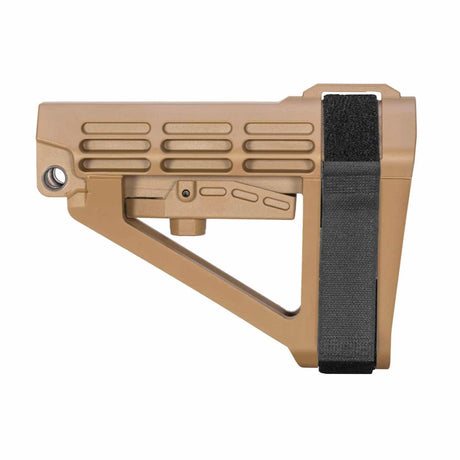
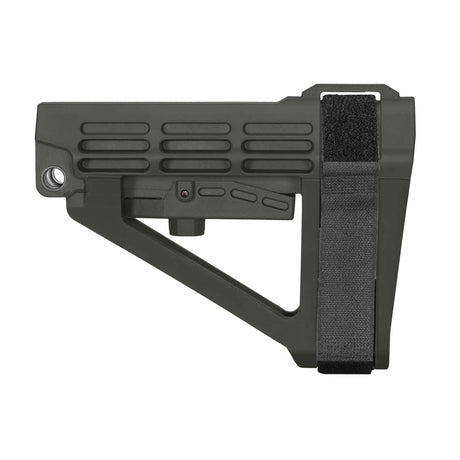
The SB Tactical SBA3 features a minimalist, skeletonized design with 5-position adjustable length of pull, making it the lightest and most compact option in the lineup. Its streamlined profile reduces weight while providing essential stabilization through flexible rubber construction with a built-in arm strap. The SBA4 builds on the SBA3 design with a slightly different aesthetic featuring a more substantial stabilizing blade and enhanced ergonomics while maintaining the 5-position adjustability. The SBA5 represents SB Tactical's most robust offering with a wider, more supportive stabilizing surface, enhanced padding, and what many shooters consider the most comfortable fit during extended use. All three models fit standard mil-spec carbine buffer tubes and provide reliable adjustment lockup. Selection between models often comes down to personal preference regarding weight, aesthetics, and stabilization surface area—some shooters prefer the minimalism of the SBA3, while others appreciate the enhanced support of the SBA5. All three provide SB Tactical's proven quality and design expertise.
Are pistol stabilizing braces legal to purchase and use?
Are pistol stabilizing braces legal to purchase and use?
Pistol brace regulations have changed significantly and continue to evolve—purchasers must verify current federal, state, and local laws before acquiring any pistol brace. The regulatory landscape surrounding pistol braces has undergone substantial changes, with ATF rules and court decisions affecting legality in various jurisdictions. What was previously legal may have changed, and regulations vary by state and locality. Before purchasing any SB Tactical product, research current ATF guidance, check your state's specific laws regarding pistol braces, consult with local firearms dealers familiar with current regulations, and consider consulting a firearms attorney if uncertain. Mountain Ready strongly encourages all customers to independently verify the legal status of pistol braces in their jurisdiction before purchase. Compliance with all applicable federal, state, and local laws is the sole responsibility of the purchaser. This FAQ provides general product information and should not be construed as legal advice.
What buffer tube compatibility do SB Tactical braces require?
What buffer tube compatibility do SB Tactical braces require?
SB Tactical SBA3, SBA4, and SBA5 braces are designed for standard mil-spec carbine buffer tubes—the most common buffer tube specification used on AR-15 pistols and similar platforms. Mil-spec buffer tubes feature a specific outer diameter (approximately 1.148 inches) and receiver extension design that these braces are engineered to fit. Commercial-spec buffer tubes have slightly larger diameters and may not provide proper fit or adjustment lockup with SB Tactical braces designed for mil-spec tubes. Before purchasing, verify your pistol uses a mil-spec carbine buffer tube—most AR-style pistols from major manufacturers do, but some use proprietary or commercial-spec tubes requiring different brace options. SB Tactical offers additional brace models designed for other platforms and tube configurations beyond the standard AR carbine setup. If uncertain about your pistol's buffer tube specification, consult your firearm's manufacturer documentation, measure the tube diameter, or consult with a qualified gunsmith who can verify compatibility before purchase.
How do I properly install an SB Tactical stabilizing brace?
How do I properly install an SB Tactical stabilizing brace?
SB Tactical brace installation on AR-style pistols is straightforward for users familiar with basic firearms handling. First, ensure the firearm is completely unloaded—remove magazine, lock bolt to rear, visually and physically verify empty chamber. Slide the brace onto the buffer tube from the rear, aligning the adjustment lever with the tube's indexing slots. Push the brace fully forward until the adjustment mechanism engages with the buffer tube notches. Test the adjustment lever function—it should positively lock into each position with audible/tactile click and release cleanly when depressed. Adjust to desired position and verify solid lockup without wobble. The arm strap should position against your forearm when using the brace as intended. No tools are required for standard installation on properly sized mil-spec buffer tubes. If the brace doesn't slide smoothly or adjust properly, verify buffer tube specification compatibility before forcing. Some shooters apply light lubricant to ease initial installation. After installation, function-test the adjustment mechanism through all positions ensuring reliable operation.
What makes SB Tactical braces better than other pistol brace brands?
What makes SB Tactical braces better than other pistol brace brands?
SB Tactical pioneered the pistol stabilizing brace category and maintains leadership through continuous innovation, quality materials, and refined designs based on years of market feedback. Advantages include: proprietary rubber compounds providing optimal flexibility and durability, robust adjustment mechanisms that maintain position under recoil, thoughtful ergonomics refined across multiple product generations, extensive compatibility testing with various platforms and configurations, established reputation and customer service infrastructure, and availability of replacement parts and accessories. SB Tactical invested heavily in design engineering and materials science specifically for stabilizing braces rather than producing braces as secondary products to other firearm accessories. This focused expertise translates to superior fit, function, and longevity compared to many competitors who entered the market later with derivative designs. For shooters prioritizing quality and proven performance, SB Tactical represents the category standard against which alternatives are measured.
How do I properly use a pistol stabilizing brace for its intended purpose?
How do I properly use a pistol stabilizing brace for its intended purpose?
Proper pistol stabilizing brace use involves securing the brace against your forearm to create a stable shooting platform for single-handed pistol operation. Adjust the brace to appropriate length for your arm, insert your forearm through or against the stabilizing surface, secure any retention straps snugly but comfortably, and grip the pistol firmly with your shooting hand. The brace should contact your forearm from wrist to approximately mid-forearm, distributing recoil forces across this surface rather than concentrating them in your hand and wrist. Practice acquiring proper brace position until it becomes natural and repeatable. The stabilization allows improved control during rapid fire, reduced fatigue during extended shooting sessions, and better accuracy for shooters with limited grip strength or mobility challenges. Always follow safe firearm handling practices regardless of accessories—treat every firearm as loaded, keep finger off trigger until ready to shoot, never point at anything you don't intend to destroy, and know your target and what's beyond it.
Are SB Tactical braces comfortable for extended shooting sessions?
Are SB Tactical braces comfortable for extended shooting sessions?
SB Tactical braces are designed with shooter comfort in mind, using flexible rubber compounds that absorb recoil forces while conforming to forearm anatomy. The SBA5 provides the most substantial padding and support surface, making it popular among shooters planning extended range sessions or training courses. The SBA3's minimalist design reduces weight and bulk but provides less cushioning for high-volume shooting. All models allow personal adjustment for optimal fit—experiment with length positions to find the most comfortable and stable configuration for your arm length and shooting style. Some shooters add aftermarket padding or wear long sleeves under braces for enhanced comfort during intensive training. The rubber construction remains comfortable across reasonable temperature ranges, though extreme cold may stiffen materials slightly. For home defense applications where braces may be used infrequently but critically, comfort matters less than reliability—all SB Tactical models provide consistent function when needed. For regular training and recreational shooting, match brace selection to your comfort priorities and planned usage intensity.
What maintenance do SB Tactical stabilizing braces require?
What maintenance do SB Tactical stabilizing braces require?
SB Tactical braces require minimal maintenance for reliable long-term function. After shooting sessions: wipe down the brace removing dirt, carbon residue, and skin oils that accumulate during use; inspect the rubber for cuts, tears, or degradation; verify adjustment mechanism functions smoothly through all positions; and check retention straps for wear or damage. Periodically: clean adjustment mechanism slots and detent areas removing debris that could impair function; inspect buffer tube contact surfaces for wear; and verify brace maintains solid lockup without developing wobble. Store firearms with braces in climate-controlled environments avoiding extreme heat (which can soften rubber) or prolonged UV exposure (which degrades rubber compounds over time). The rubber construction is durable but not indestructible—replace braces showing significant cracking, tears, or deteriorated adjustment lockup. Unlike complex mechanical accessories, stabilizing braces have few failure points when used as intended. Most users experience years of reliable service with basic care and reasonable treatment.
Can SB Tactical braces be used on platforms other than AR pistols?
Can SB Tactical braces be used on platforms other than AR pistols?
SB Tactical manufactures braces for numerous platforms beyond standard AR-15 pistol configurations, though the SBA3, SBA4, and SBA5 models specifically fit mil-spec AR carbine buffer tubes. Other SB Tactical products address different platforms including AK-style pistols, CZ Scorpion, various PDW configurations, and other large-format pistols with different receiver extension designs. If you own a non-AR pistol platform, research SB Tactical's full product line for options designed specifically for your firearm rather than attempting to adapt AR-style braces to incompatible platforms. Some pistol platforms use proprietary receiver extensions requiring manufacturer-specific braces. SB Tactical's website provides comprehensive compatibility information for their full product range. For uncommon platforms, aftermarket adapter solutions may exist enabling use of standard braces, but verify adapter quality and proper fit before relying on adapted configurations. The SBA3, SBA4, and SBA5 carried by Mountain Ready specifically serve the AR pistol market using standard mil-spec buffer tubes.
What should I consider before purchasing an SB Tactical stabilizing brace?
What should I consider before purchasing an SB Tactical stabilizing brace?
Before purchasing any pistol stabilizing brace, consider these critical factors: Legal status—verify current federal, state, and local regulations governing pistol braces in your jurisdiction, as this landscape has changed significantly and continues evolving. Platform compatibility—confirm your pistol uses a mil-spec carbine buffer tube compatible with SBA3, SBA4, and SBA5 models. Intended use—match brace selection to your priorities (weight, support, aesthetics) and planned applications (home defense, recreational shooting, training). Complete firearm configuration—ensure your pistol otherwise complies with all applicable regulations regarding barrel length, overall length, and other specifications. Personal needs—if you have physical limitations that originally drove pistol brace development, ensure the brace adequately addresses your specific requirements. Training—plan to practice with any new firearm accessory until operation becomes instinctive. Purchase decisions should be informed by thorough personal research into current regulations and product suitability for your specific situation rather than relying solely on general product information.
