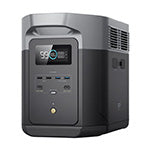
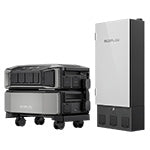
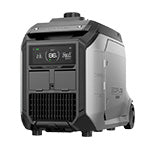

PORTABLE POWER STATIONS
View all-
20% off
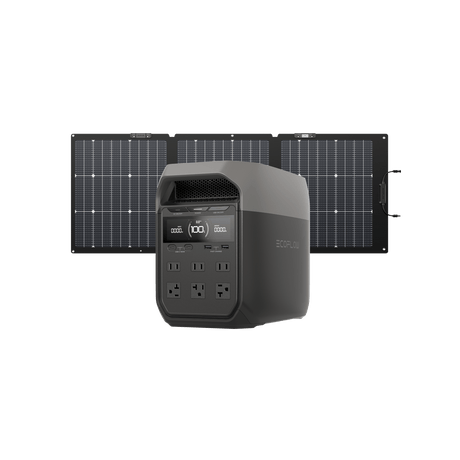
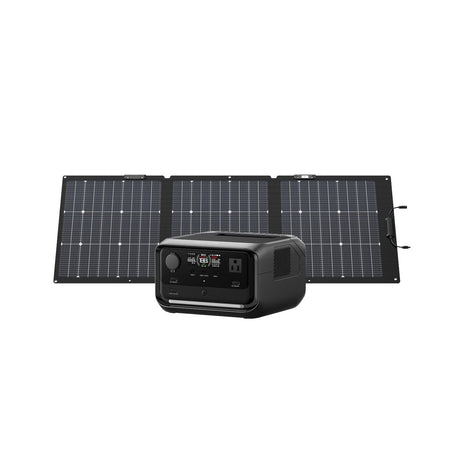
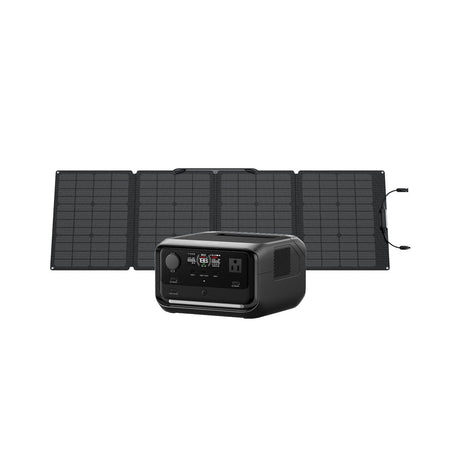
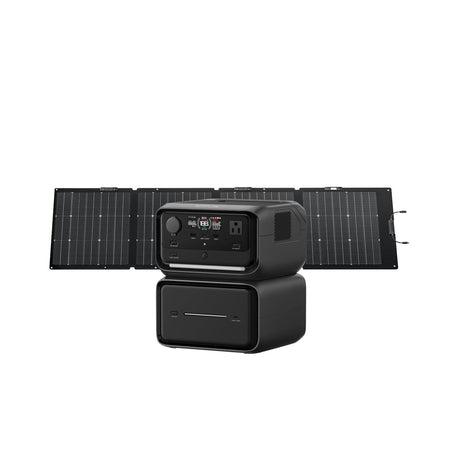
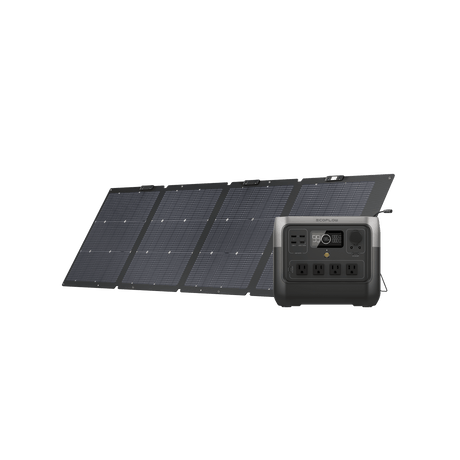
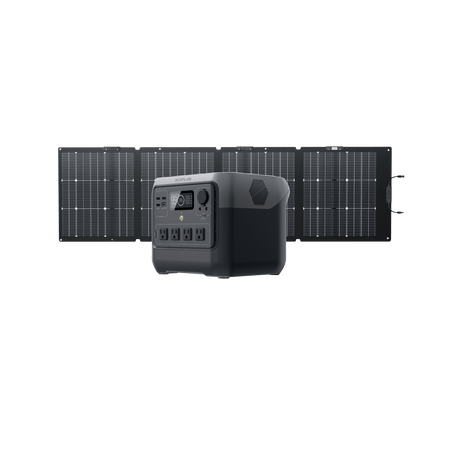
EcoFlow - RIVER 2 Pro + 220W Portable Solar Panel
Sale price $99900 Regular price $1,24800Unit price -
-
Up to 41% off
EcoFlow - DELTA 3 Max Plus Portable Power Station 2048Wh
Sale priceFrom $1,25600 Regular price $1,89900Unit price -
-
14% off
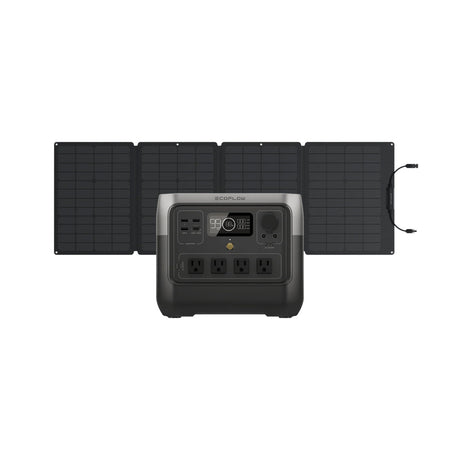
EcoFlow - RIVER 2 Pro with 160W Portable Solar Panel
Sale price $89900 Regular price $1,04800Unit price -
-
Up to 19% off
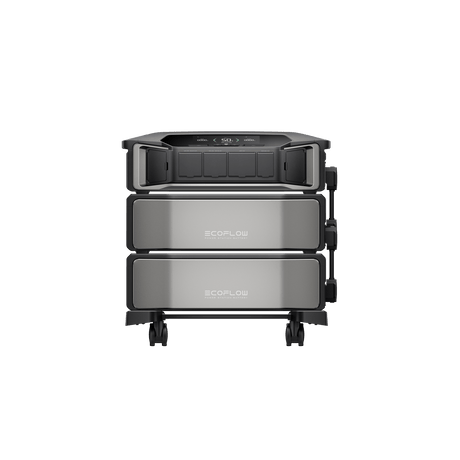
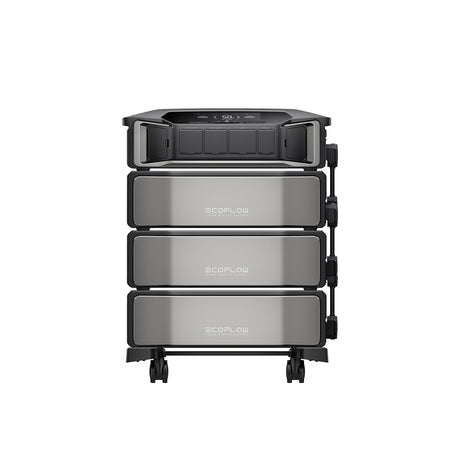
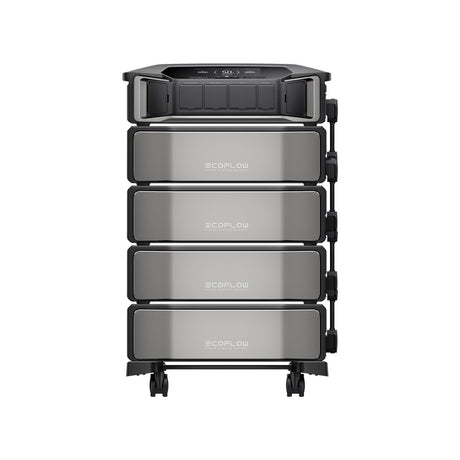
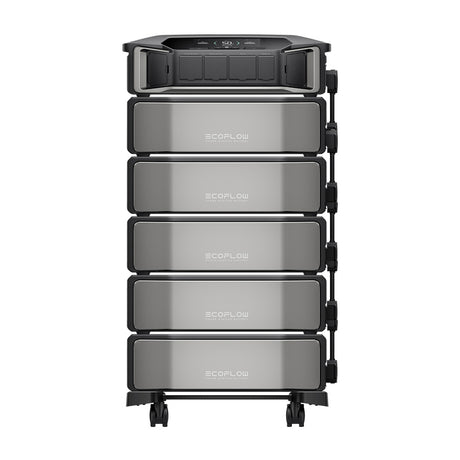
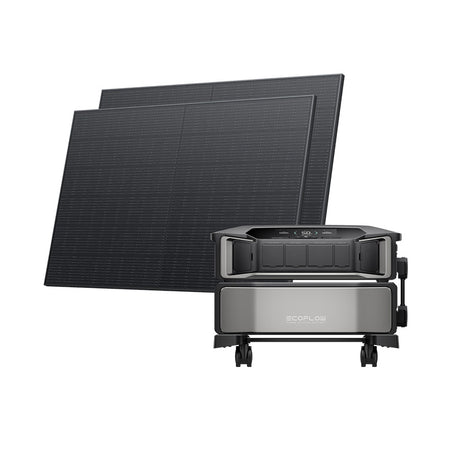
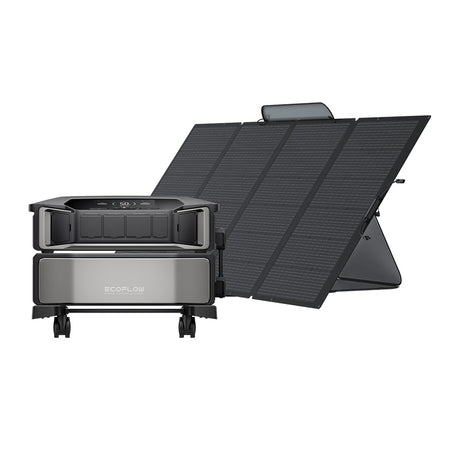
EcoFlow - DELTA Pro Ultra X Inverter
Sale priceFrom $3,83900 Regular price $3,99900Unit price -
-
Up to 47% off
EcoFlow - DELTA 3 Ultra Plus Portable Power Station 3072Wh
Sale priceFrom $1,74800 Regular price $2,89900Unit price -
-
Up to 47% off
EcoFlow - DELTA 3 Ultra Portable Power Station
Sale priceFrom $1,53000 Regular price $2,49900Unit price -
-
Up to 33% off
EcoFlow - DELTA 3 CLASSIC Portable Power Station - Light Gray
Sale priceFrom $55900 Regular price $59900Unit price -
-
Up to 44% off
EcoFlow - DELTA 3 Max Portable Power Station
Sale priceFrom $96200 Regular price $1,49900Unit price -
-
10% off
EcoFlow - TRAIL 200DC Portable Power Station
Sale price $17900 Regular price $19900Unit price -
-
EcoFlow - RIVER 2 Max Portable Power Station 499Wh
Regular price $46900Unit price -
-
Up to 44% off
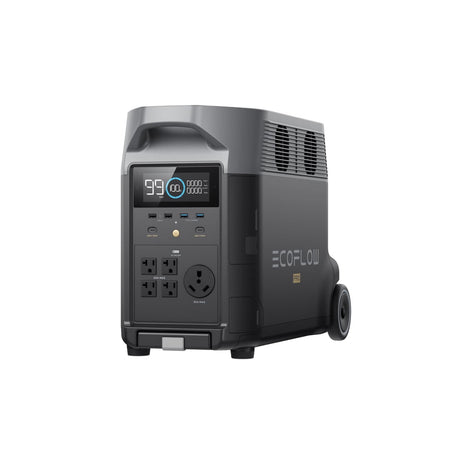
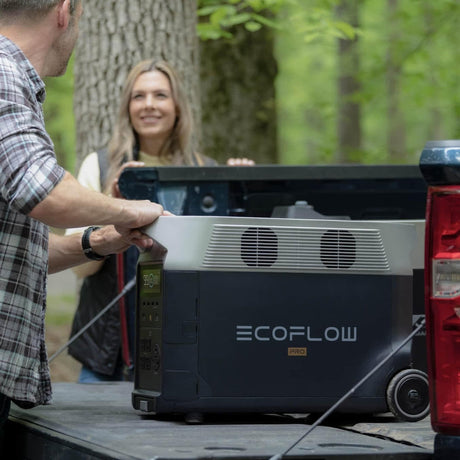
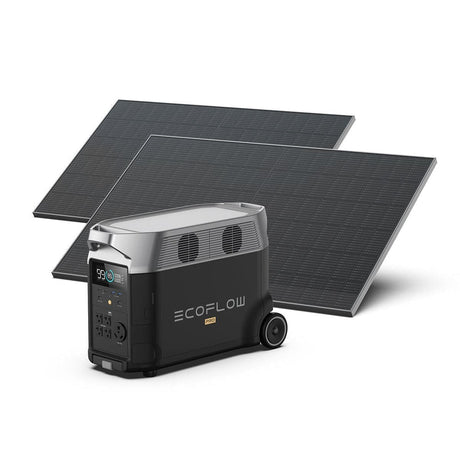
EcoFlow - DELTA Pro 3600Wh Portable Power Station
Sale priceFrom $2,07600 Regular price $3,69900Unit price -
-
Up to 14% off
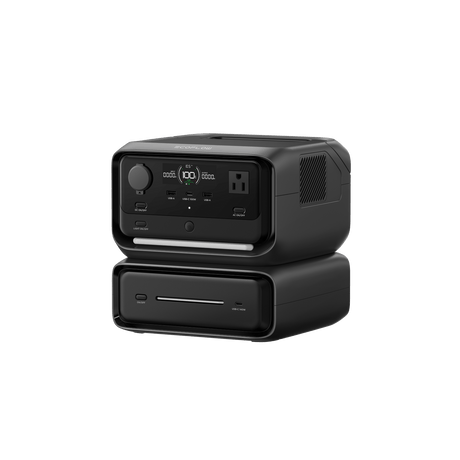
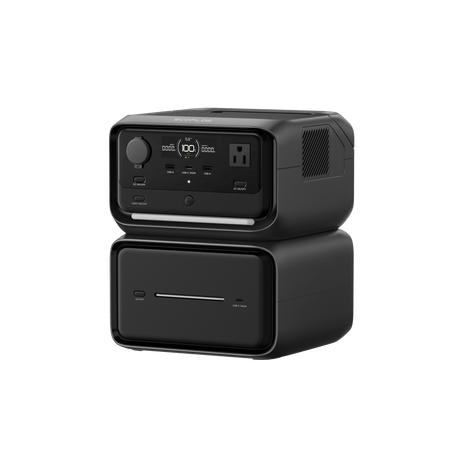
EcoFlow - DELTA 3 Plus Portable Power Station 1024Wh
Sale priceFrom $76500 Regular price $79900Unit price -
-
Up to 28% off
EcoFlow - DELTA 3 Portable Power Station 1024Wh 1800W
Sale priceFrom $65900 Regular price $69900Unit price -
-
Up to 2% off
EcoFlow – RIVER 3 Plus Portable Power Station, 286Wh LiFePO4
Sale priceFrom $49900 Regular price $50800Unit price -
-
5% off
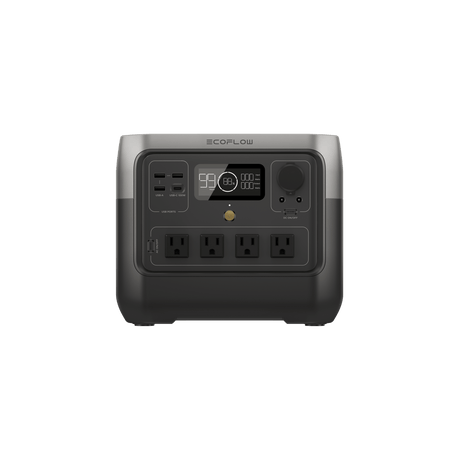
EcoFlow – RIVER 2 Pro Portable Power Station 768Wh 800W
Sale price $56900 Regular price $59900Unit price -





















HOME POWER SOLUTIONS
View all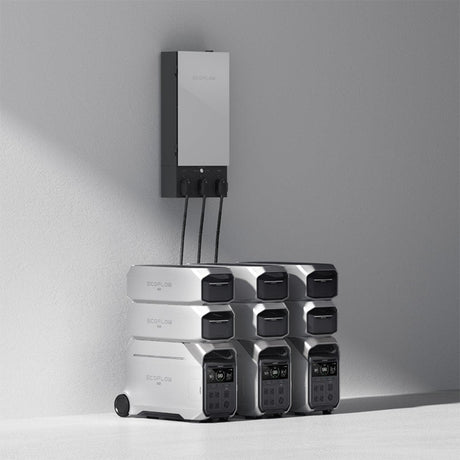
-
4% off
EcoFlow - Smart Gateway with 6 Controlled Circuits
Sale price $2,10300 Regular price $2,19900Unit price -
-
EcoFlow - PowerInsight Home Energy Manager
Regular price $39900Unit price -
-
EcoFlow - PowerInsight 2 Home Energy Manager
Regular price $54600Unit price -
-
EcoFlow - Smart Home Panel 3 with 32 Smart Circuits
Regular price $3,38800Unit price -
-
Up to 31% off
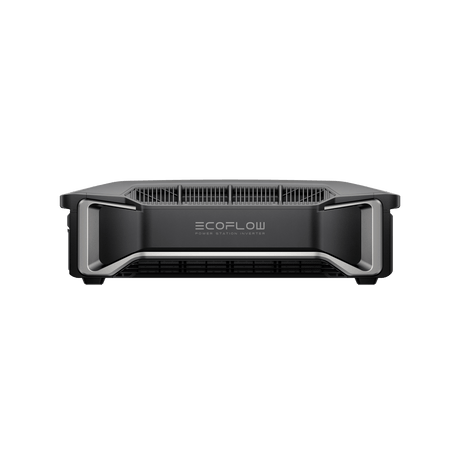
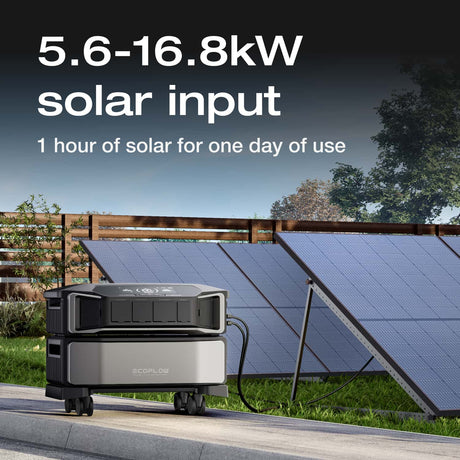
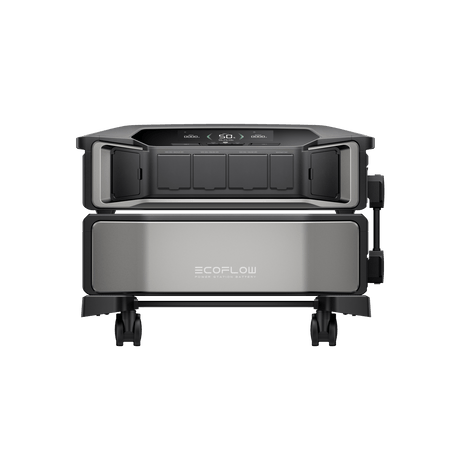
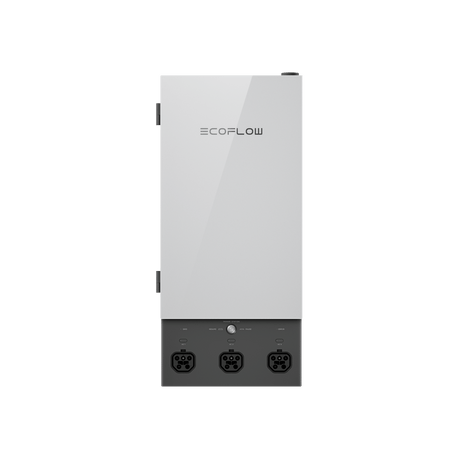
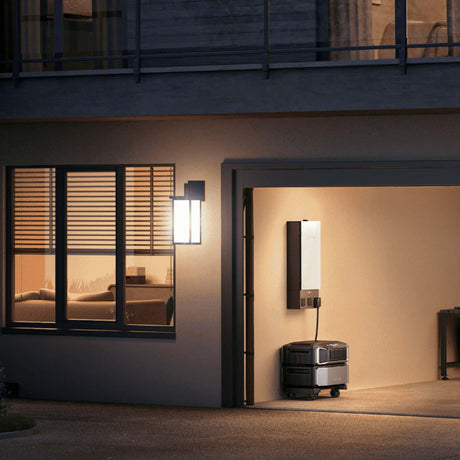
EcoFlow - DELTA Pro Ultra Inverter, 7.2kW Solar-Ready
Regular priceFrom $2,79900Unit price -
-
EcoFlow – Smart Home Panel 2, Whole-Home Backup Subpanel
Regular price $1,89900Unit price -








OFF-GRID APPLIANCES
View all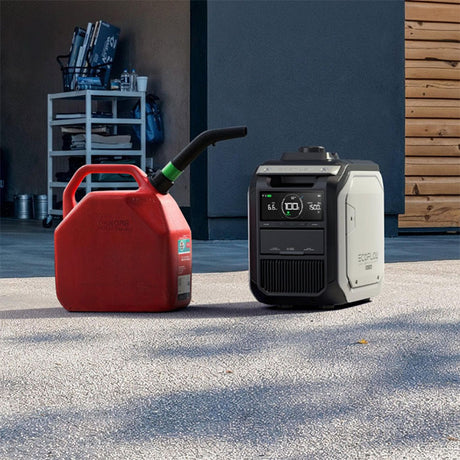
-
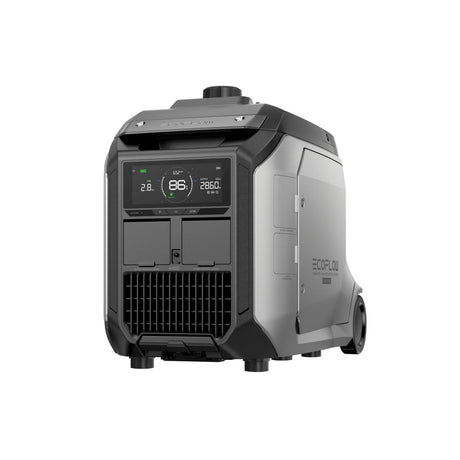
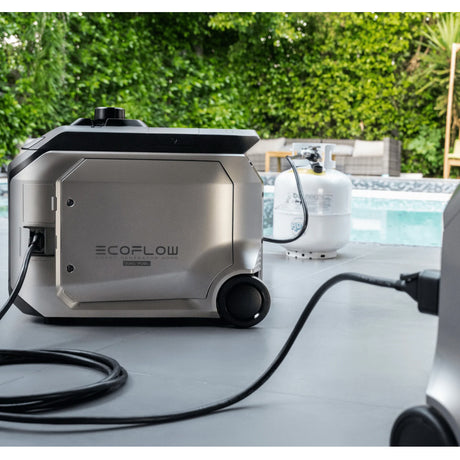
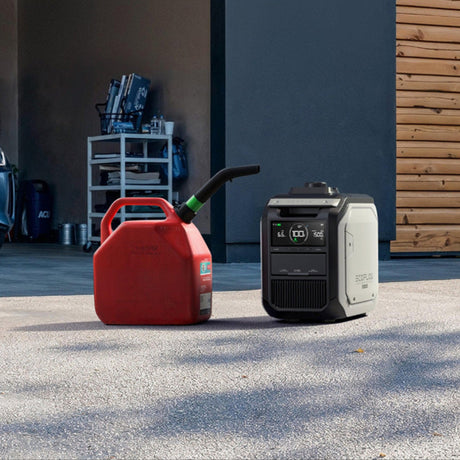
EcoFlow – Smart Generator 4000 (Dual Fuel, 3200W DC Output)
Regular price $1,79900Unit price -
-
20% off
EcoFlow - Smart Generator 3000 Dual Fuel Backup System
Sale price $79900 Regular price $99900Unit price -
-
Up to 26% off
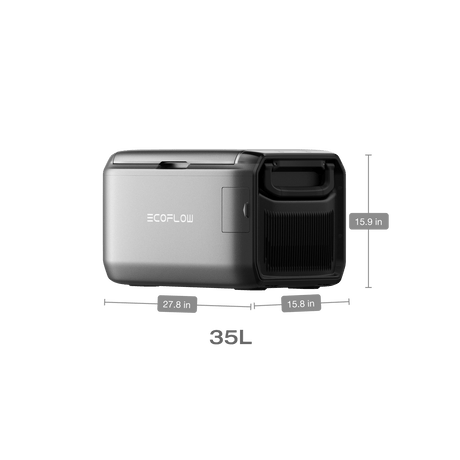
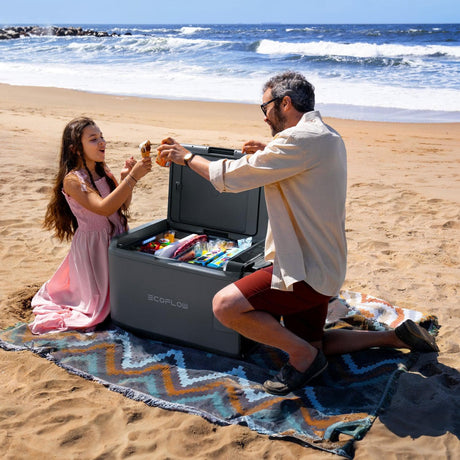
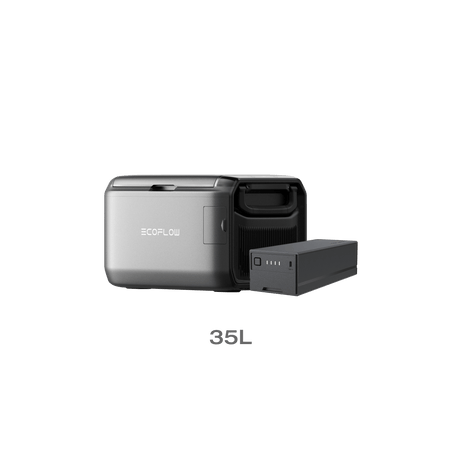
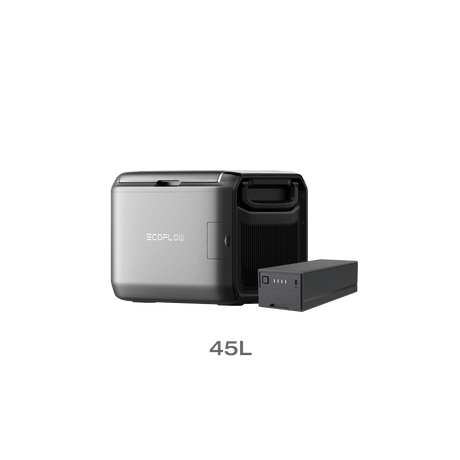
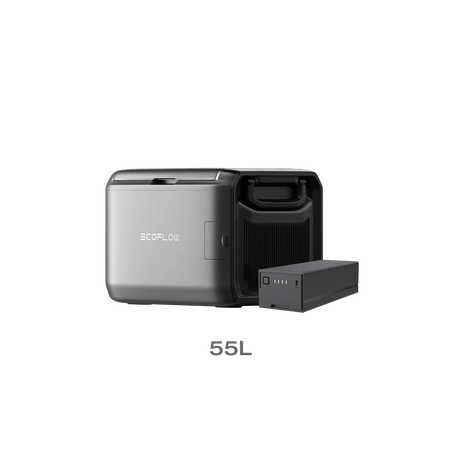
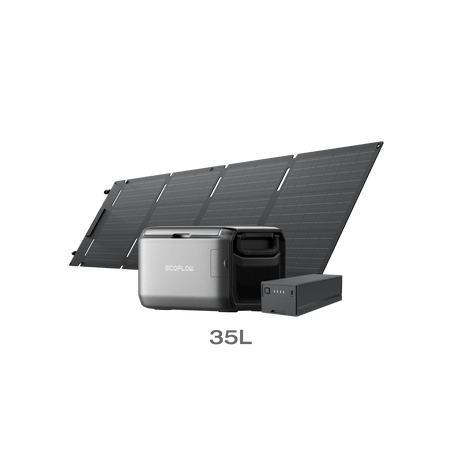
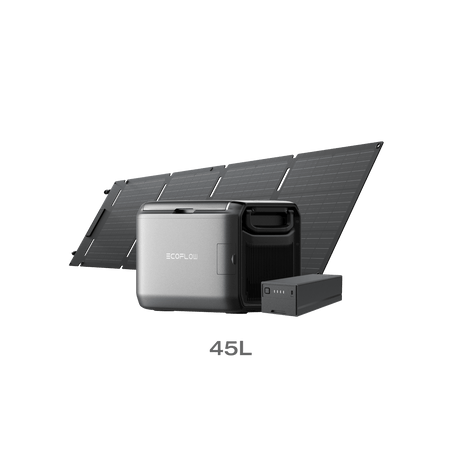
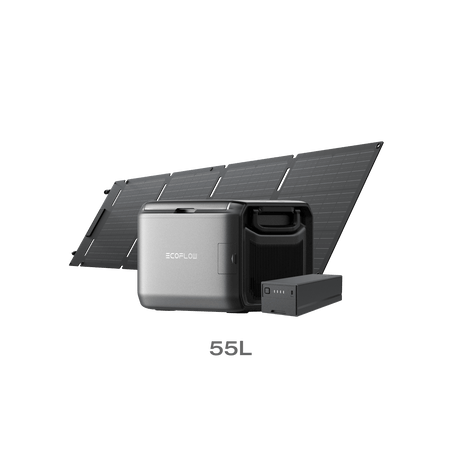
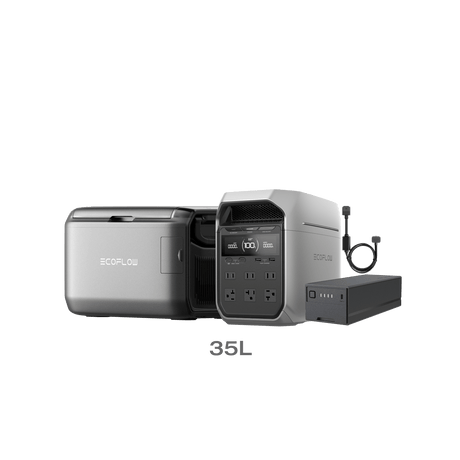
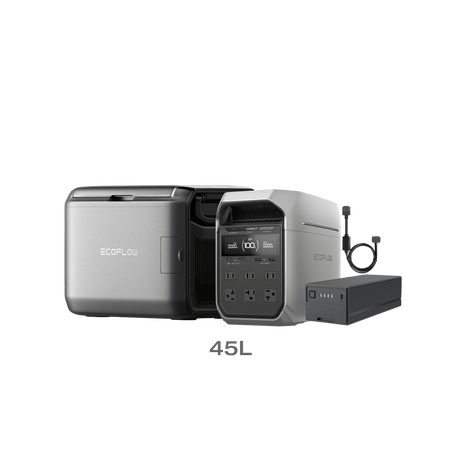
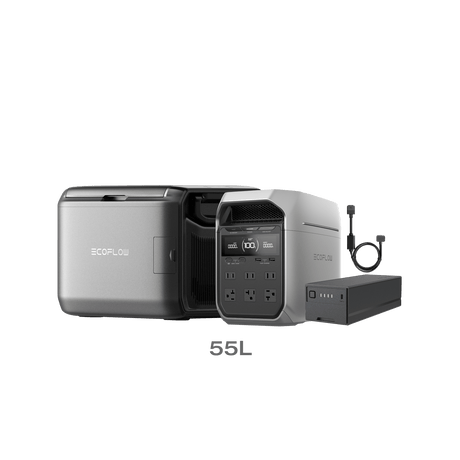
EcoFlow – GLACIER Classic Portable Fridge Freezer, 35L–55L
Sale priceFrom $76400 Regular price $79900Unit price -
-
Up to 36% off
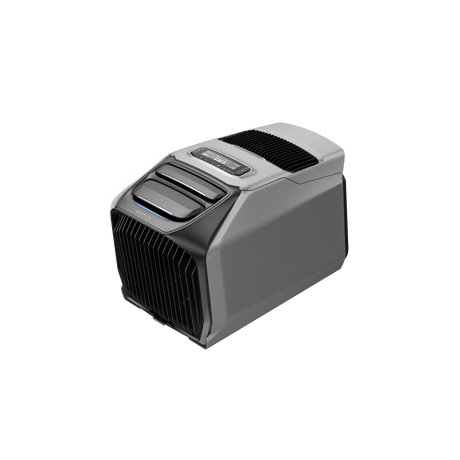
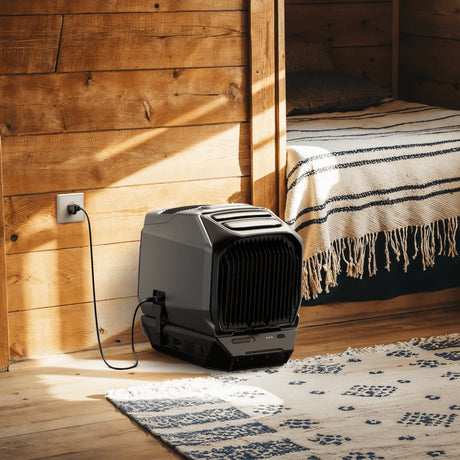
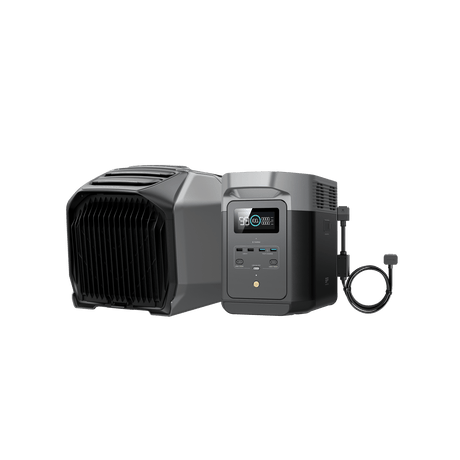
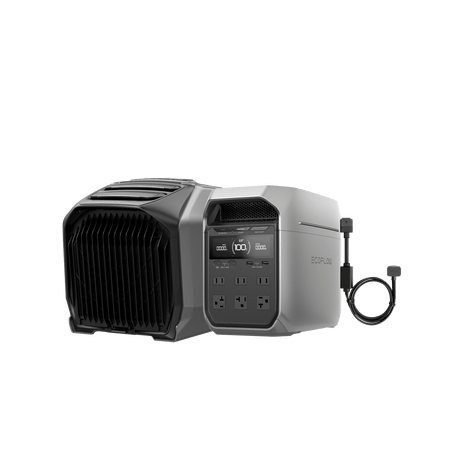
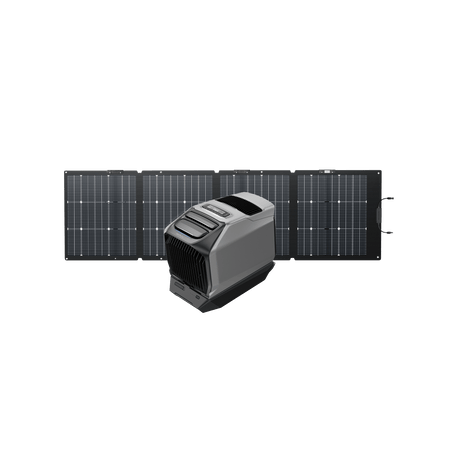
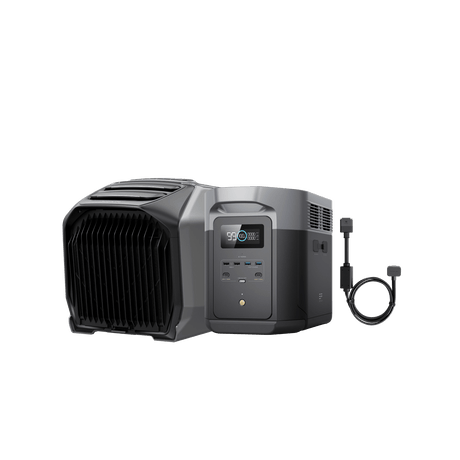
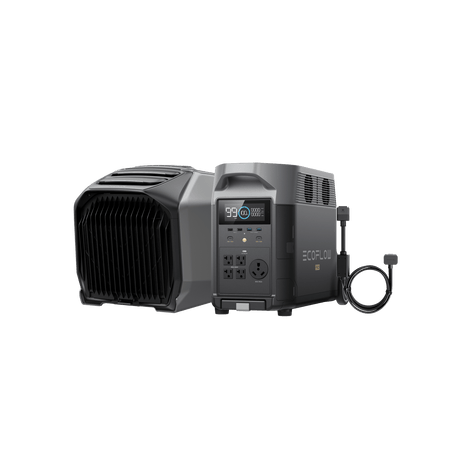
EcoFlow - WAVE 3 Portable AC & Heater, 6100 BTU Wireless
Regular priceFrom $1,29900Unit price -













VEHICLE & RV POWER
View all-
EcoFlow - 50 Amp Hub for DELTA Pro
Regular price $29900Unit price -
-
EcoFlow - EV X-Stream Adapter for DELTA Pro
Regular price $10600Unit price -
-
EcoFlow - Transfer Switch A510A 125/250V 50A for DELTA Pro
Regular price $49900Unit price -
-
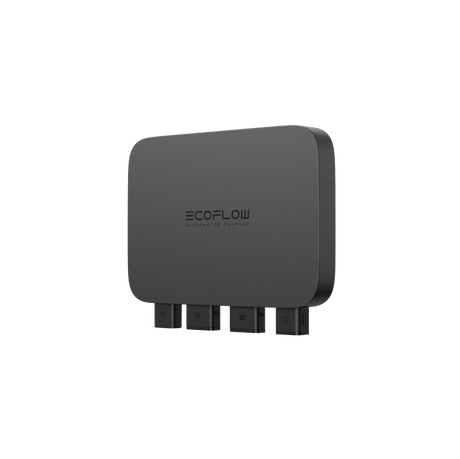
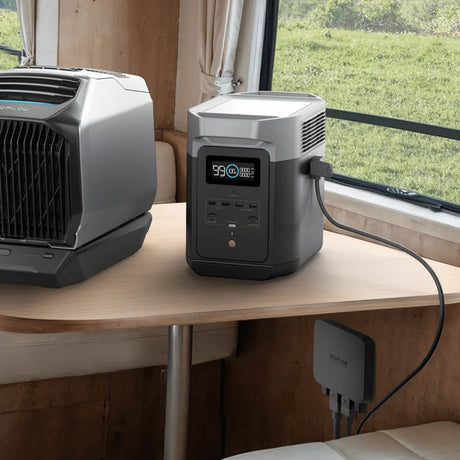
EcoFlow - 500W Alternator Charger for Vehicles
Regular price $34900Unit price -
-
EcoFlow - PowerPulse EV Charger 9.6kW
Regular price $89900Unit price -
-
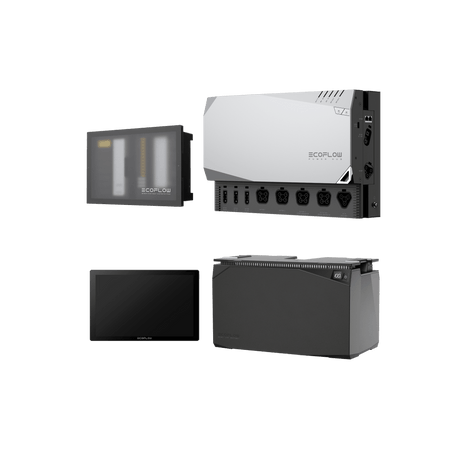
EcoFlow – Power Kits 5kVA 48V 50A RV Off-Grid Power System
Regular price $8,84800Unit price -
-
EcoFlow – Power Kits 5kVA 48V 30A RV Off-Grid Power System
Regular price $8,79500Unit price -
-
EcoFlow - 5kVA 48V Modular Off-Grid Power Kit
Regular price $7,99200Unit price -
-
EcoFlow - 800W Alternator Charger for RVs & SUVs
Regular price $59900Unit price -






POWER BANKS & EDC
View all-
Up to 26% off
EcoFlow – Power Hat with Solar Charging & Dual USB Ports
Sale price $9600 Regular price $12900Unit price -


SOLAR PANELS
View all-
EcoFlow - MC4-XT60 Solar Charging Cable 3.5m
Regular price $2500Unit price -
-
EcoFlow - 45W Solar Panel With Type-C
Regular price $9900Unit price -
-
5% off
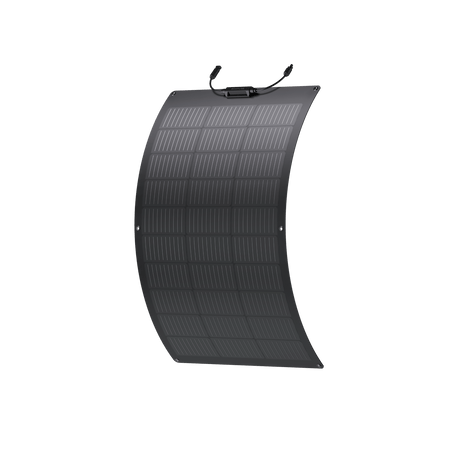
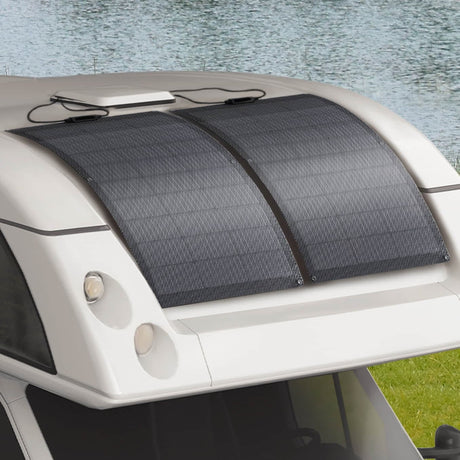
EcoFlow – 100W Flexible Solar Panel for RVs, Vans & Off-Grid
Sale price $19900 Regular price $20900Unit price -
-
17% off
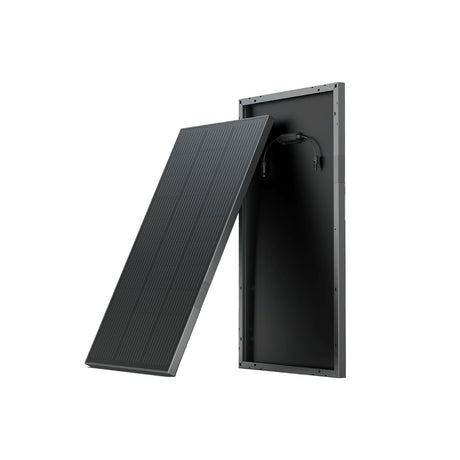
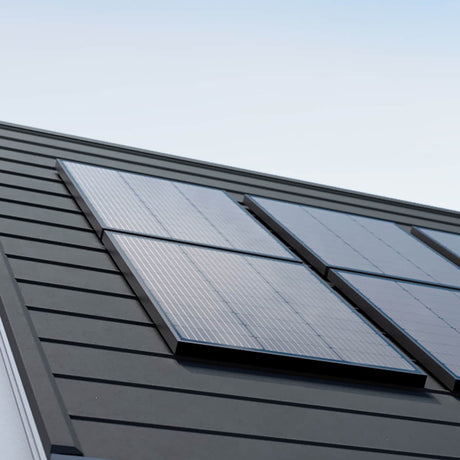
EcoFlow - 100W Rigid Solar Panel 2-Pack, IP68 Durable
Sale price $20700 Regular price $24900Unit price -
-
17% off
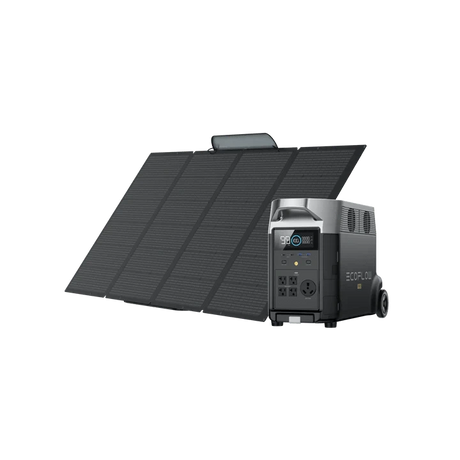
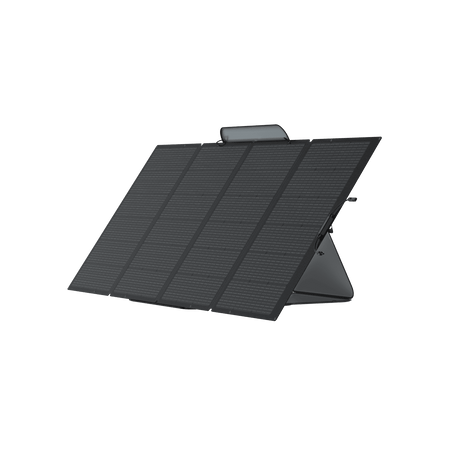
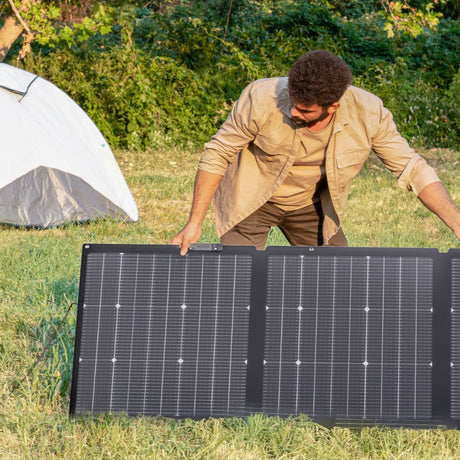
EcoFlow – 400W Portable Solar Panel with XT60 Cable
Sale price $99900 Regular price $1,19900Unit price -
-
18% off
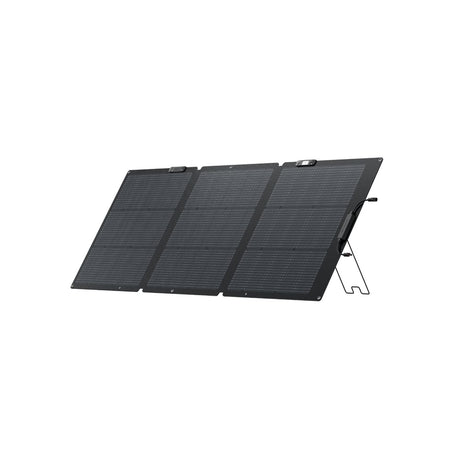
EcoFlow - 160W Portable Solar Panel With TOPCon Cells
Sale price $36900 Regular price $44900Unit price -
-
15% off
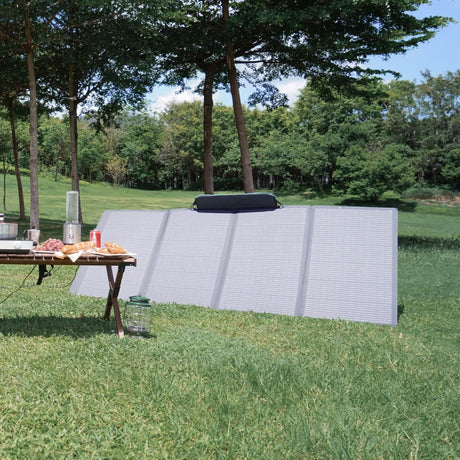
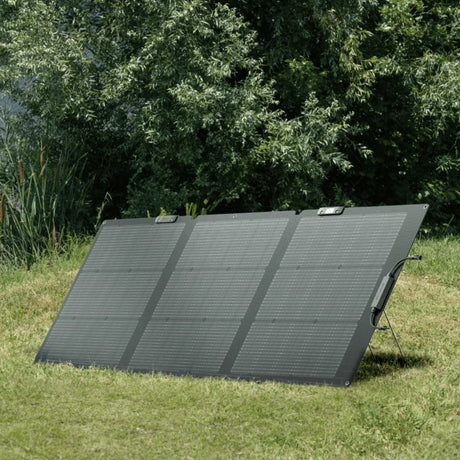
EcoFlow – 220W NextGen Bifacial Portable Solar Panel
Sale price $54900 Regular price $64900Unit price -












EXTRA BATTERIES
View all-
EcoFlow - Glacier Plug-in Battery
Regular price $29900Unit price -
-
44% off
EcoFlow - DELTA 3 Ultra Plus+DELTA 3 Max Plus Extra Battery
Sale price $2,40400 Regular price $4,29800Unit price -
-
20% off
EcoFlow - DELTA Pro Ultra X Battery Pack
Sale price $2,62300 Regular price $3,29900Unit price -
-
33% off
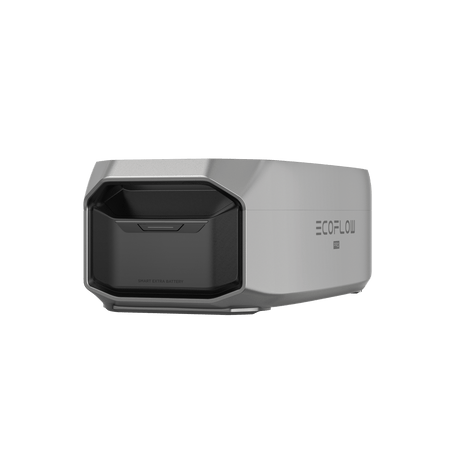
EcoFlow - DELTA 3 Max Plus Smart Extra Battery
Sale price $93900 Regular price $1,39900Unit price -
-
8% off
EcoFlow – DELTA Pro 3 Smart Extra Battery, 4096Wh LFP Backup
Sale price $2,39900 Regular price $2,59900Unit price -
-
EcoFlow - WAVE 3 1024Wh LFP Detachable Battery
Regular price $89900Unit price -
-
8% off
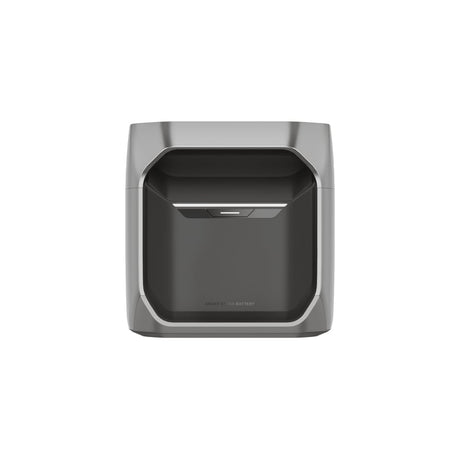
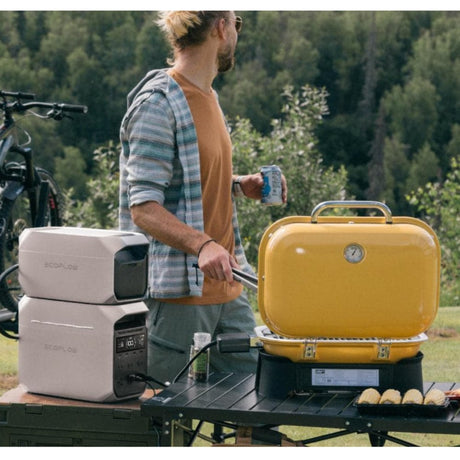
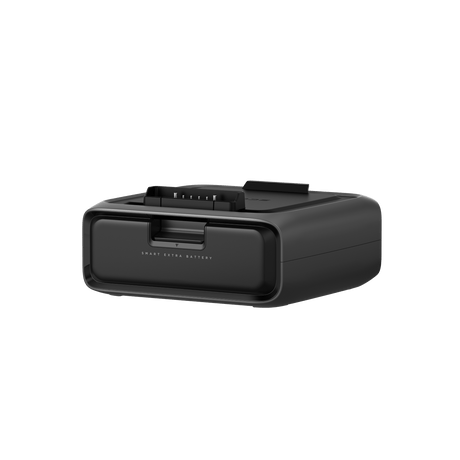
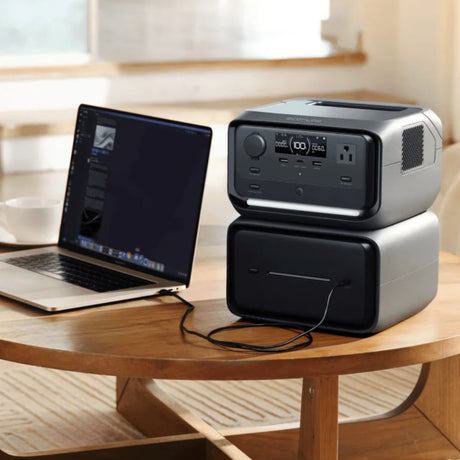
EcoFlow – DELTA 3 Smart Extra Battery (1024Wh LFP Expansion)
Sale price $54900 Regular price $59900Unit price -
-
EcoFlow – RIVER 3 Plus Extra Battery (EB300 or EB600)
Regular price $20900Unit price -












PARTS & ACCESSORIES
View all-
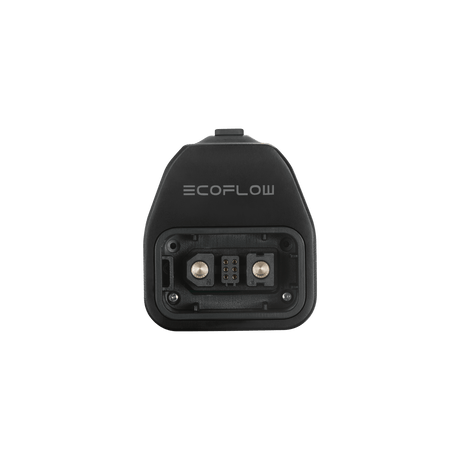
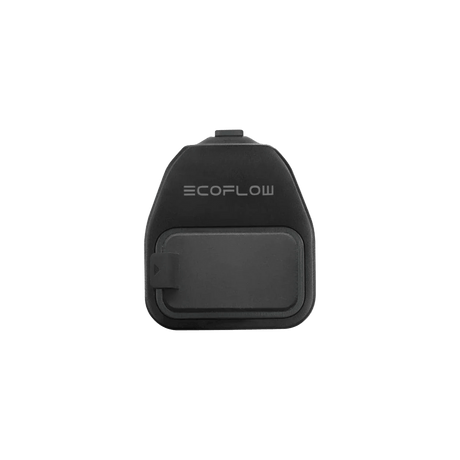
EcoFlow – Smart Generator Adapter for DELTA Pro & Pro 3
Regular price $6900Unit price -
-
EcoFlow - Battery Connection Cable for Delta Pro Ultra
Regular priceFrom $10600Unit price -
-
EcoFlow - FlowMaster Generator Rectifier
Regular price $21200Unit price -
-

EcoFlow - Smart Inlet Box Connection Cable (5P8 Port)
Regular price $13200Unit price -
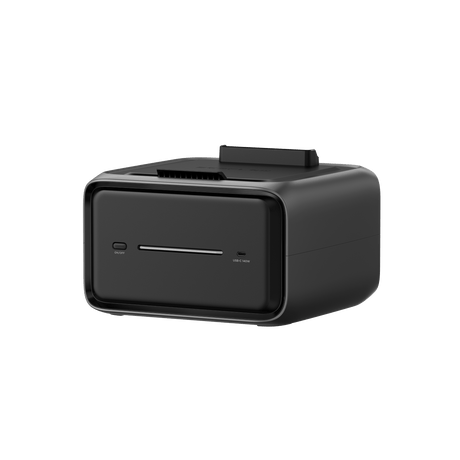
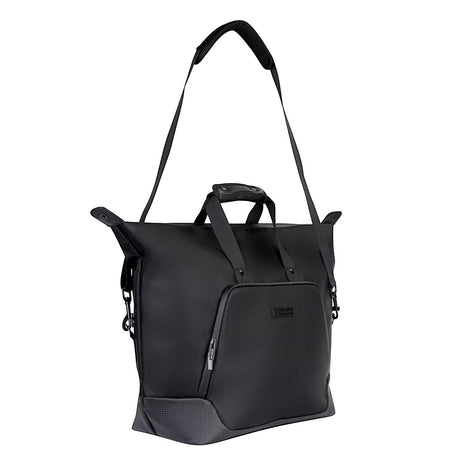
EcoFlow - Delta 3 Series Waterproof Bag
Regular price $9900Unit price -
-

EcoFlow - AC Charging Cable NEMA 5-15P to 5P8 Port
Regular price $5200Unit price -
EcoFlow - Power Input/Output Cable
Regular price $13200Unit price -
-
EcoFlow - MC4-XT60 Cable 5m for DELTA/RIVER Series
Regular price $2900Unit price -
-
EcoFlow - Solar to XT60i Charging Cable 2.5m
Regular price $2500Unit price -
-
EcoFlow - Battery Portable Stand for DELTA Pro Ultra
Regular price $6900Unit price -
-
EcoFlow - Delta Pro Smart Extra Battery Cable
Regular price $7900Unit price -
-
EcoFlow - AC Generator Charging Adapter for DELTA Pro
Regular price $6900Unit price -
-
EcoFlow - DELTA 2 Waterproof Carry Bag with Storage
Regular price $9900Unit price -
-
EcoFlow – Remote Control for DELTA Pro, Bluetooth & Wired
Regular price $9900Unit price -
-
EcoFlow - EV X-Stream Adapter for DELTA Pro 3400W
Regular price $9900Unit price -
-
EcoFlow – Double Voltage Hub for DELTA Pro, 7200W Output
Regular price $15900Unit price -
-
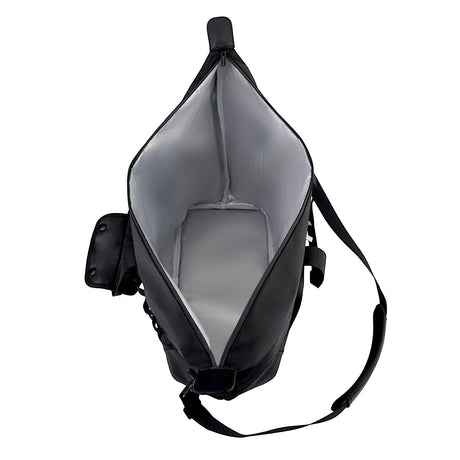
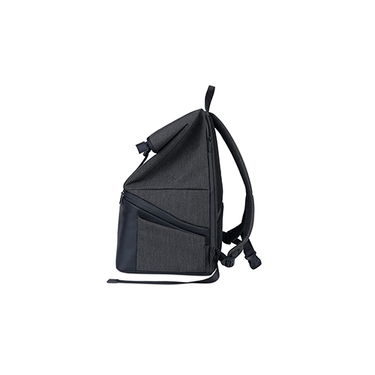
EcoFlow – RIVER Series Waterproof Roll-Top Backpack, 30L
Regular price $7900Unit price -




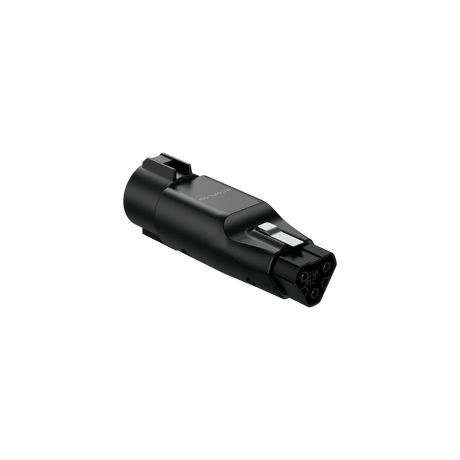
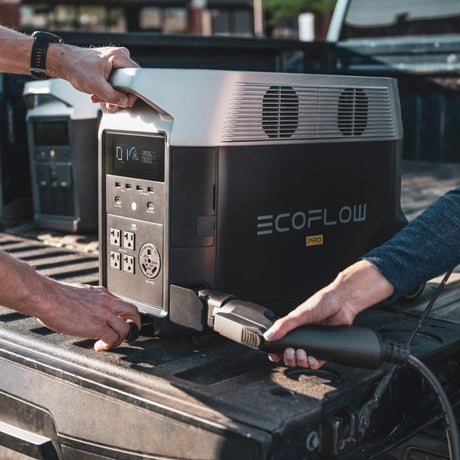
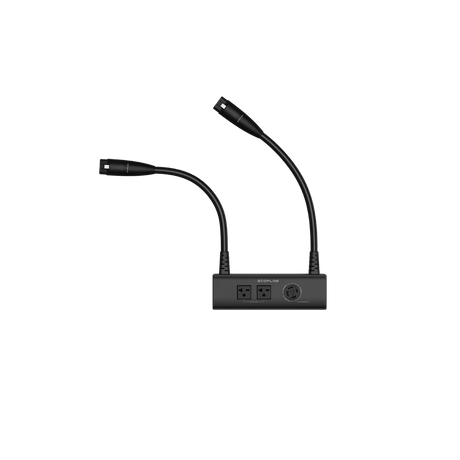
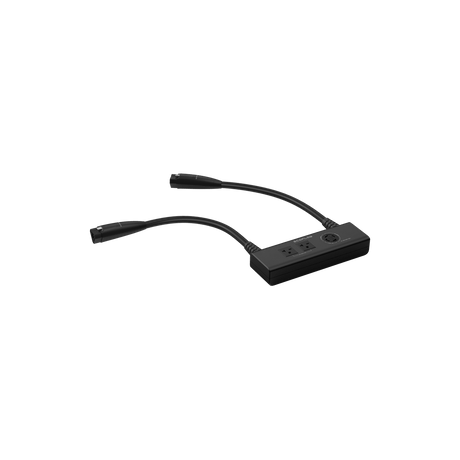



EcoFlow – Smart Generator Adapter for DELTA Pro & Pro 3
Regular price $6900Unit price-
EcoFlow - Battery Connection Cable for Delta Pro Ultra
Regular priceFrom $10600Unit price-
- 20% off
EcoFlow - RIVER 2 Pro + 220W Portable Solar Panel
Sale price $99900 Regular price $1,24800Unit price -
-
EcoFlow - Smart Inlet Box Connection Cable (5P8 Port)
Regular price $13200Unit price - Up to 41% off
EcoFlow - DELTA 3 Max Plus Portable Power Station 2048Wh
Sale priceFrom $1,25600 Regular price $1,89900Unit price -
- 14% off
EcoFlow - RIVER 2 Pro with 160W Portable Solar Panel
Sale price $89900 Regular price $1,04800Unit price -
- 44% off
EcoFlow - DELTA 3 Ultra Plus+DELTA 3 Max Plus Extra Battery
Sale price $2,40400 Regular price $4,29800Unit price -
-
EcoFlow - AC Charging Cable NEMA 5-15P to 5P8 Port
Regular price $5200Unit price EcoFlow - PowerInsight Home Energy Manager
Regular price $39900Unit price-
EcoFlow - Delta 3 Series Waterproof Bag
Regular price $9900Unit price-
EcoFlow - FlowMaster Generator Rectifier
Regular price $21200Unit price-
- 4% off
EcoFlow - Smart Gateway with 6 Controlled Circuits
Sale price $2,10300 Regular price $2,19900Unit price -
- 20% off
EcoFlow - DELTA Pro Ultra X Battery Pack
Sale price $2,62300 Regular price $3,29900Unit price -
EcoFlow - Power Input/Output Cable
Regular price $13200Unit price-
EcoFlow - Glacier Plug-in Battery
Regular price $29900Unit price-
- Up to 19% off
EcoFlow - DELTA Pro Ultra X Inverter
Sale priceFrom $3,83900 Regular price $3,99900Unit price -
EcoFlow Portable Power Stations & Solar Generators FAQ
What is EcoFlow and what makes their portable power stations stand out for emergency preparedness?
What is EcoFlow and what makes their portable power stations stand out for emergency preparedness?
EcoFlow has established itself as an industry leader in portable power technology, engineering power stations that combine rapid charging speeds, expandable capacity, and intelligent battery management specifically suited for emergency preparedness scenarios. Founded in 2017, EcoFlow pioneered X-Stream fast-charging technology that allows their units to charge from 0-80% in under an hour—a critical advantage when storm warnings give limited preparation time. Their product lines range from the compact RIVER series (245-768Wh) for everyday carry and short-term outages to the DELTA Pro 3 (4096Wh expandable to 48kWh) capable of powering an entire home during extended grid failures.
What distinguishes EcoFlow for preparedness applications is their use of LiFePO4 (lithium iron phosphate) battery chemistry across most current models, offering 3,000-4,000 charge cycles to 80% capacity—translating to roughly 10+ years of regular use. Their power stations feature pure sine wave output essential for sensitive electronics like medical equipment (CPAP machines), communication gear, and security systems. The EcoFlow app provides remote monitoring and control, enabling you to track battery status and optimize power consumption from anywhere. For serious preppers integrating with Mountain Ready's 12 Pillars of Preparedness, EcoFlow units address the Energy pillar while supporting Communications, Security, and First Aid pillars through reliable power delivery. Their units operate virtually silent (30dB) compared to gas generators, maintaining operational security during grid-down situations.
How do I choose between the EcoFlow DELTA and RIVER series for my emergency power needs?
How do I choose between the EcoFlow DELTA and RIVER series for my emergency power needs?
The choice between DELTA and RIVER series fundamentally depends on your power requirements: RIVER units (245-768Wh) excel at portable, short-duration backup for essential electronics, while DELTA units (1024-4096Wh) provide whole-home backup capability for extended outages. Understanding your actual power consumption during emergencies determines which series serves your preparedness strategy.
RIVER series power stations, including the RIVER 3 (245Wh, 300W output) and RIVER 2 Pro (768Wh, 800W output), weigh between 7.7-18.2 lbs and fit easily in a bug-out bag or vehicle emergency kit. They're ideal for charging phones, laptops, running CPAP machines overnight, powering ham radios, and operating small refrigerators for 4-8 hours. The RIVER 3 Plus offers 286Wh capacity with 600W output (1200W X-Boost) and expandability to 858Wh with an extra battery—perfect for a family's essential device charging during 24-48 hour outages.
DELTA series units address scenarios requiring serious power. The DELTA 2 (1024Wh, 1800W output) runs full-size refrigerators for 6-8 hours and powers multiple devices simultaneously. The DELTA Pro 3 represents the pinnacle—4096Wh capacity expandable to 48kWh, 4000W output (6000W X-Boost), and 120V/240V split-phase output capable of powering central air conditioning, well pumps, and entire home circuits through the Smart Home Panel 2. For urban apartment dwellers, RIVER series suffices; for homesteaders or those with medical equipment dependencies, DELTA Pro class units provide genuine grid independence. Consider your scenario: shelter-in-place favors larger DELTA units, while mobility-focused preparedness benefits from RIVER portability.
What are the key technical specifications to compare when selecting an EcoFlow power station?
What are the key technical specifications to compare when selecting an EcoFlow power station?
When evaluating EcoFlow power stations, focus on five critical specifications: battery capacity (Wh), continuous output wattage, surge wattage, battery chemistry and cycle life, and charging speed—each directly impacts real-world emergency performance. Understanding these metrics prevents over-purchasing capacity you won't use or, worse, underestimating your actual power requirements.
Battery capacity measured in watt-hours (Wh) determines runtime. Calculate your needs by multiplying device wattage by hours of intended use. A 60W laptop running 8 hours requires 480Wh minimum—accounting for inverter efficiency losses (typically 85-90%), plan for 550-600Wh capacity. Continuous output wattage (measured in W) indicates the sustained power the unit delivers; surge wattage handles startup spikes from motors in refrigerators and power tools. The DELTA Pro 3's 4000W continuous/6000W surge handles demanding appliances that would trip smaller units.
LiFePO4 battery chemistry, now standard across EcoFlow's latest models, delivers 3,000-4,000 cycles to 80% capacity versus 500-800 cycles for older lithium-ion variants. This translates to 10+ year lifespans with daily use. The DELTA Pro 3 and DELTA 3 series feature automotive-grade LFP cells with IP65-rated battery packs, adding water and dust resistance crucial for outdoor or disaster scenarios. Charging specifications matter equally—X-Stream technology enables 0-80% charging in 50-60 minutes via AC, while solar input ratings (110W-2600W depending on model) determine off-grid recharging capability. The DELTA Pro 3 accepts up to 2600W dual solar input, achieving full charge in approximately 2 hours under optimal conditions. UPS switchover speed (10-20ms across models) protects sensitive electronics from power interruptions.
Can EcoFlow power stations replace a traditional gas generator for home emergency backup?
Can EcoFlow power stations replace a traditional gas generator for home emergency backup?
EcoFlow power stations can fully replace gas generators for most residential emergency scenarios, offering silent operation, zero emissions, indoor-safe deployment, and significantly lower long-term maintenance—though understanding their limitations around continuous high-draw applications is essential for proper planning. The DELTA Pro series in particular achieves output capacities rivaling portable gas generators while eliminating fuel storage concerns, exhaust ventilation requirements, and mechanical maintenance.
The DELTA Pro 3 outputs 4000W continuous power (expandable to 12kW with stacked units) and integrates with the Smart Home Panel 2 for automatic 10-20ms switchover during outages—protecting sensitive equipment like security systems, internet routers, and medical devices that traditional generators can't match. Unlike gas generators requiring ventilation and creating carbon monoxide risks, EcoFlow units operate safely indoors, critical during winter storms or air quality emergencies. Operating at 30dB (whisper-quiet), they maintain neighborhood relations and operational security during grid-down situations where running generators attract unwanted attention.
The honest limitation involves truly continuous high-draw applications. A 4kWh DELTA Pro 3 running a 1500W space heater depletes in approximately 2.5 hours—manageable with solar recharging during daylight but challenging during extended cloudy winter outages. For such scenarios, the EcoFlow Smart Generator 4000 (dual-fuel gas/propane) integrates seamlessly with DELTA Pro units, automatically starting when battery levels drop and stopping when recharged. This hybrid approach provides generator reliability for worst-case scenarios while leveraging battery power for daily silent operation. For most emergency situations lasting 1-3 days—the vast majority of grid outages—properly sized EcoFlow systems with solar panels eliminate generator dependency entirely.
How does EcoFlow compare to competitors like Jackery, Bluetti, and Goal Zero for emergency preparedness?
How does EcoFlow compare to competitors like Jackery, Bluetti, and Goal Zero for emergency preparedness?
EcoFlow differentiates from competitors through industry-leading charging speeds, broader expandability options, and sophisticated home integration—though competitors offer advantages in specific niches like ultra-budget portability (Jackery) or extreme capacity configurations (Bluetti). Selecting the right brand depends on prioritizing speed, capacity, ecosystem integration, or price point.
EcoFlow's X-Stream charging technology delivers unmatched AC charging speeds: the DELTA 3 reaches 0-100% in 56 minutes via AC input—roughly 3-4 times faster than comparable Jackery or Goal Zero units. For preparedness applications, this speed means topping off your power station during the narrow window between storm warnings and grid failure. EcoFlow's ecosystem allows mixing power stations with extra batteries, Smart Home Panels, and dual-fuel generators for cohesive whole-home backup that competitors don't match. The DELTA Pro series' 120V/240V split-phase output powers hardwired appliances like well pumps and central AC that single-phase competitors cannot address.
Jackery excels at budget-conscious portable applications—their Explorer series offers solid reliability at lower price points, though lacking LiFePO4 longevity and fast-charging capability. Bluetti competes in the high-capacity market; their AC500 system scales to massive capacities but lacks EcoFlow's home integration features and charges significantly slower. Goal Zero maintains strong brand recognition but has fallen behind on technology while remaining premium-priced. For serious emergency preparedness—where rapid deployment, long-term reliability, and home integration matter—EcoFlow's ecosystem approach provides tangible advantages. For basic camping backup where cutting-edge specs aren't essential, budget alternatives exist. Mountain Ready stocks EcoFlow specifically because their reliability and feature set align with genuine preparedness requirements rather than recreational convenience.
What solar panel options work best with EcoFlow power stations for off-grid emergency charging?
What solar panel options work best with EcoFlow power stations for off-grid emergency charging?
EcoFlow's portable solar panels—ranging from 45W travel panels to 400W high-capacity units—are optimized for their power stations' MPPT controllers, though third-party MC4-compatible panels also function when properly matched to input specifications. Solar charging transforms battery storage into a truly renewable system capable of indefinite operation during extended grid-down scenarios.
The EcoFlow 400W Portable Solar Panel represents the optimal balance of portability and output for emergency preparedness. Weighing 35 lbs with a foldable design, it achieves up to 23% conversion efficiency using monocrystalline cells and carries IP68 waterproof rating for outdoor durability. A single 400W panel charges the DELTA 2 (1024Wh) in approximately 3 hours under optimal sunlight, while two panels cut that to 1.5 hours. For the DELTA Pro 3 with its 2600W dual solar input capability, combining multiple high-wattage panels enables solar charging speeds approaching AC input—critical when grid power isn't available.
The 220W Bifacial Portable Solar Panel captures ambient light from its rear surface, adding up to 25% additional output in reflective environments—ideal for snow-covered ground during winter emergencies. For EDC and bug-out applications, the 45W and 110W portable panels offer ultralight solar options. When configuring systems, match panel voltage and amperage to your specific power station's solar input specifications. The RIVER 3 accepts 110W maximum solar input, while DELTA Pro 3 handles up to 2600W. For comprehensive preparedness, Mountain Ready recommends pairing your power station with solar capacity achieving full recharge within one clear day—typically 200-400W panels for RIVER units and 800-1600W total panel capacity for DELTA Pro class systems. Consider your geographic location's average solar irradiance when sizing panels; northern climates require additional capacity for shorter winter days and lower sun angles.
How do I properly maintain and store EcoFlow power stations for long-term emergency readiness?
How do I properly maintain and store EcoFlow power stations for long-term emergency readiness?
EcoFlow power stations require minimal maintenance—primarily maintaining 30-80% charge during storage, storing at room temperature, and cycling the battery every 3-6 months—but following these protocols ensures your unit performs when emergencies actually occur. LiFePO4 battery chemistry significantly reduces maintenance compared to older lithium-ion variants, though neglect still degrades performance over time.
Store your EcoFlow unit at 30-80% state of charge for optimal battery longevity. Storing at 100% or near 0% accelerates cell degradation—the 50-60% sweet spot minimizes chemical stress during dormancy. Temperature significantly impacts battery health: store units between 32°F-86°F (0°C-30°C), avoiding garages that experience temperature extremes. Extended exposure above 104°F (40°C) permanently reduces capacity, while charging below freezing temperatures damages LiFePO4 cells. The DELTA Pro 3's IP65-rated battery pack provides additional protection, but climate-controlled indoor storage remains ideal.
Cycle your power station every 3-6 months even when not needed—discharge to approximately 20% then recharge to 80%. This maintains battery chemistry and confirms functionality before emergencies occur. The EcoFlow app enables firmware updates improving performance and features; check for updates quarterly. Clean AC outlets and solar input ports with compressed air annually; corrosion or debris causes connection issues during critical moments. For units with cooling fans (primarily larger DELTA models), verify fan operation by running at high output briefly. Document your last maintenance date and charge level, storing this information with the unit. Integrate battery cycling into your quarterly preparedness review schedule, testing solar panels and accessory cables simultaneously. This systematic approach ensures your power infrastructure performs when grid reliability fails—rather than discovering degraded capacity during the emergency itself.
What appliances can I realistically run on EcoFlow power stations during a power outage?
What appliances can I realistically run on EcoFlow power stations during a power outage?
EcoFlow power stations can run virtually any household appliance within their wattage limits, but strategic load management—understanding the difference between rated and surge wattage, plus duty cycle calculations—determines whether you'll maintain power throughout an extended outage. The X-Boost technology on most EcoFlow models extends this capability by efficiently powering resistive loads up to 50% beyond rated capacity.
Refrigerators represent the typical priority during outages. A standard refrigerator draws 100-400W while running, but compressors cycle on/off maintaining approximately 30% duty cycle. A DELTA 2 (1024Wh) runs most refrigerators 8-12 hours; the DELTA Pro 3 (4096Wh) extends this to 32-48 hours. The critical factor is surge wattage—refrigerator compressors spike to 800-1200W momentarily when starting. The DELTA Pro 3's 6000W surge capacity handles this easily; smaller units may struggle with older, less efficient refrigerators.
Medical equipment requires particular attention. CPAP machines draw 30-60W, allowing RIVER 3 Plus (286Wh) to power them for 5-8 nights. Oxygen concentrators typically draw 300-500W continuously—DELTA 2 class units minimum, preferably with solar recharging during day. Communication equipment—ham radios, routers, cell boosters—typically draws modest power (20-100W) but requires consistent availability; dedicate a RIVER series unit specifically for comms to avoid competing priorities. Space heating proves challenging for battery backup: a 1500W electric heater depletes even the DELTA Pro 3 in approximately 2.5 hours. Consider battery-powered alternatives like heated blankets (50-200W) or propane heating for warmth while reserving electrical capacity for refrigeration, communication, and medical equipment. Create a load priority list before emergencies, understanding exactly which appliances you'll power and for how long given your specific battery capacity and solar recharging capability.
Should I invest in extra batteries or multiple power stations for my emergency power system?
Should I invest in extra batteries or multiple power stations for my emergency power system?
Extra batteries maximize cost-efficiency for expanding capacity with your existing power station, while additional standalone units provide redundancy, portability, and the ability to power multiple locations simultaneously—the optimal choice depends on whether you prioritize capacity, flexibility, or resilience. Understanding EcoFlow's battery ecosystem compatibility guides this decision.
Extra batteries offer straightforward capacity expansion at lower cost-per-watt-hour than purchasing additional power stations. The DELTA Pro 3 Extra Battery adds 4096Wh for roughly 60% of a complete DELTA Pro 3 unit's cost, effectively doubling your backup duration. A single DELTA Pro 3 with two extra batteries provides 12kWh—sufficient for 3-4 days of careful household use without solar recharging. The DELTA 3 series supports cross-compatible extra batteries, including DELTA 2 Max batteries, offering flexibility in building your system. Batteries require only stacking and cable connection; no additional inverter complexity.
Multiple standalone power stations provide capabilities extra batteries cannot match: simultaneous use at different locations (one unit at home, one in vehicle), true redundancy if any single unit fails, and expanded total output wattage rather than just capacity. Two DELTA 2 units running in parallel double both capacity (2048Wh) and output capability (3600W combined)—essential if your load requires more wattage than a single inverter provides. For families with separate shelter locations (primary residence plus rural retreat), distributed power stations ensure both locations maintain capability. Consider hybrid approaches: a DELTA Pro 3 with extra battery for primary home backup, plus a RIVER 3 Plus for vehicle/portable applications. Mountain Ready recommends starting with capacity meeting your baseline needs, then expanding based on real-world testing during practice outages that reveal actual consumption patterns before investing in expansion.
How do EcoFlow portable power stations integrate with overall emergency preparedness and the 12 Pillars approach?
How do EcoFlow portable power stations integrate with overall emergency preparedness and the 12 Pillars approach?
EcoFlow power stations serve as force multipliers across Mountain Ready's 12 Pillars of Preparedness—directly addressing Energy needs while enabling effective implementation of Communication, Security, Medical, Food Storage, and Shelter pillars that increasingly depend on electrical power. Modern preparedness recognizes that even "non-electronic" survival capabilities often require power infrastructure for optimal effectiveness.
The Energy pillar represents the most obvious integration: EcoFlow units provide stored electrical capacity rechargeable through solar, vehicle, or grid sources, creating energy resilience independent of utility reliability. However, cross-pillar dependencies reveal their broader value. Communication equipment—ham radios, satellite messengers, cell phone boosters, internet routers—requires consistent power; a dedicated RIVER 3 maintains communication capability when larger units power household appliances. Security systems—cameras, motion sensors, alarm panels, electronic locks—typically include battery backup lasting 4-8 hours, but extended outages leave properties vulnerable. A DELTA 2 running security infrastructure maintains situational awareness throughout multi-day outages.
Medical preparedness increasingly involves powered equipment: CPAP machines, oxygen concentrators, refrigerated medications (insulin), and powered mobility devices create non-negotiable electrical requirements for affected individuals. Food Storage benefits from maintaining refrigeration and freezer temperatures—EcoFlow units prevent thousands of dollars in food spoilage while maintaining cold chain for medications. Water pillar applications include powering well pumps and UV purification systems. The DELTA Pro 3's 240V output runs standard residential well pumps—impossible with most portable power solutions. Shelter climate control—fans, heated blankets, small AC units—maintains habitability during extreme temperatures. Rather than viewing power as a separate preparedness category, integrate EcoFlow capacity planning into each pillar's requirements, building redundancy where electrical failure would compromise critical capabilities. This systematic approach, aligned with Mountain Ready's veteran-informed preparedness philosophy, creates genuine resilience rather than isolated preparations that fail when interdependencies break down.
How do I prepare my home for a winter power outage with EcoFlow?
How do I prepare my home for a winter power outage with EcoFlow?
Plan for four things before the storm: power, water, food and warmth. For power, a portable power station from the DELTA 3 series covers essentials, the DELTA Pro Ultra and DELTA Pro Ultra X systems can back up a whole home, and Smart Generator (dual-fuel) or solar bundles help recharge during multi-day outages. Generators are sold without fuel. Read Mountain Ready's winter outage readiness announcement for the full plan, including water filtration, emergency food and cold-weather gear.