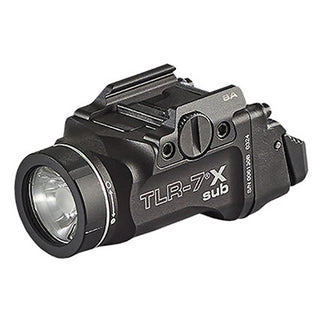
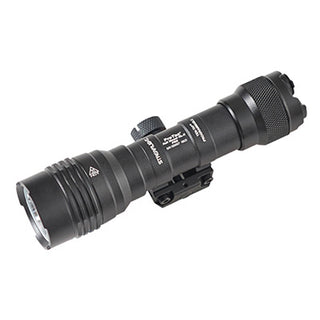
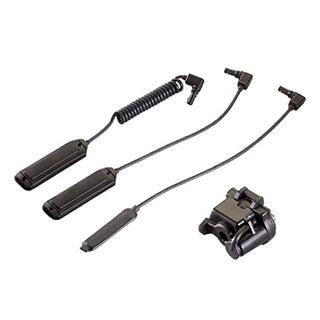
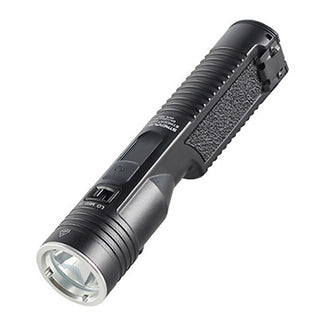
TLR Weapon Light Series
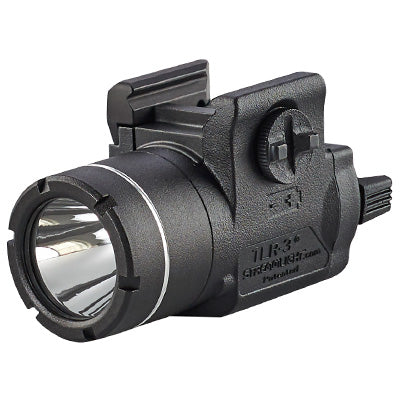
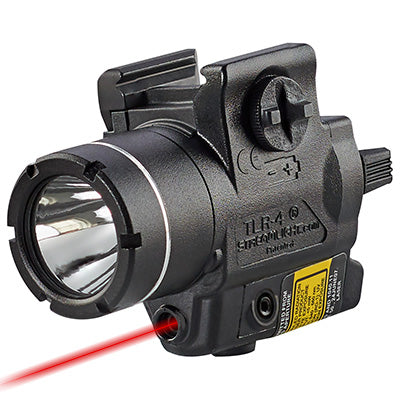
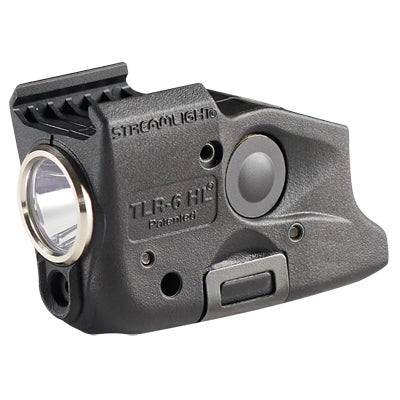
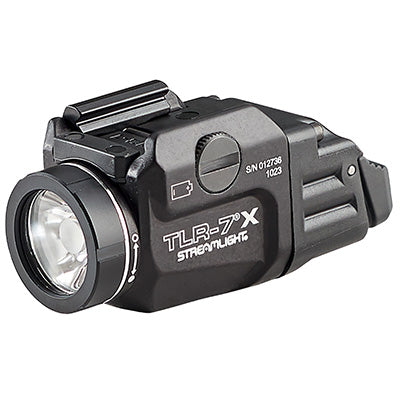
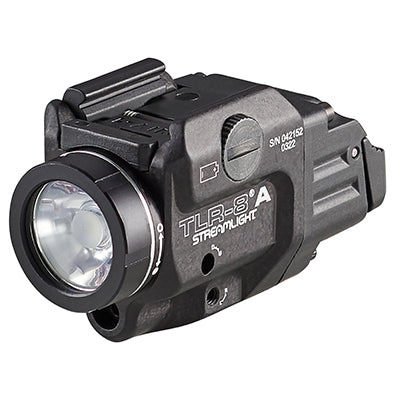
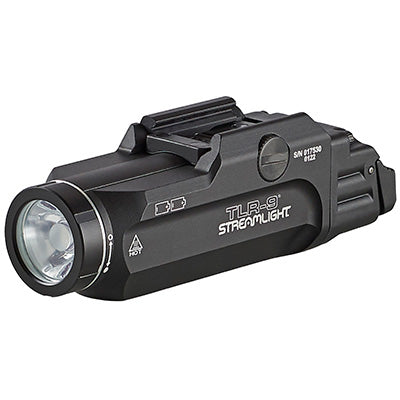
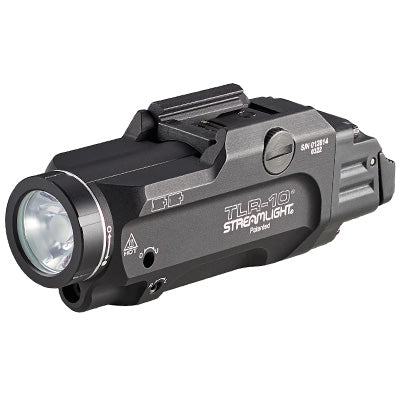
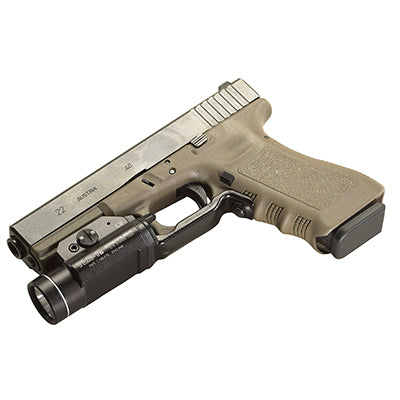
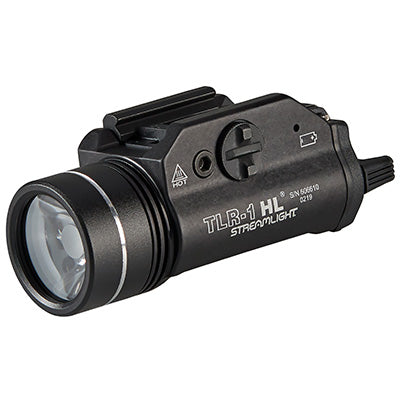
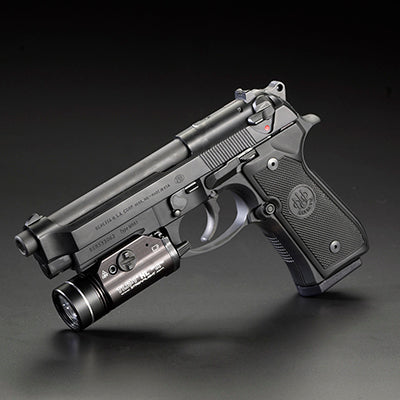
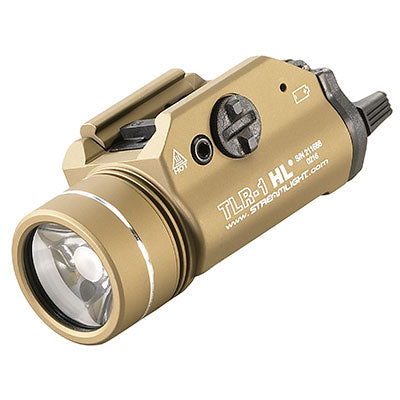
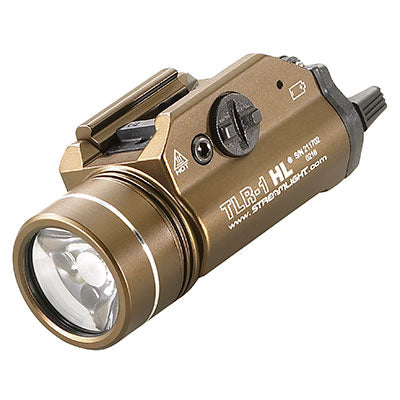
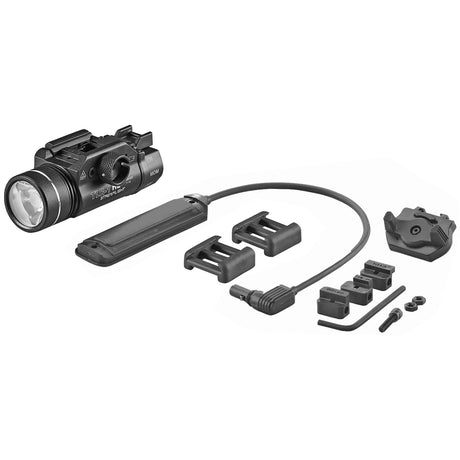
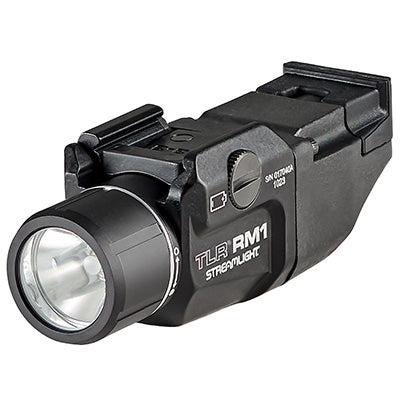
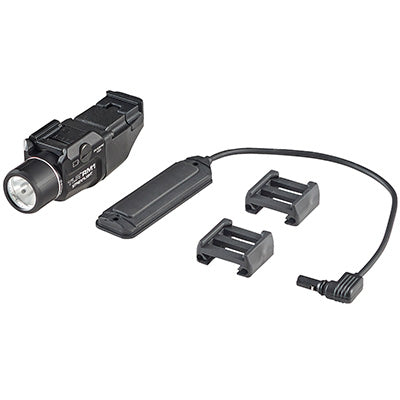
TLR-1 Weapon Lights
View allHelp Me Choose
Proven Reliability for Duty and Defense
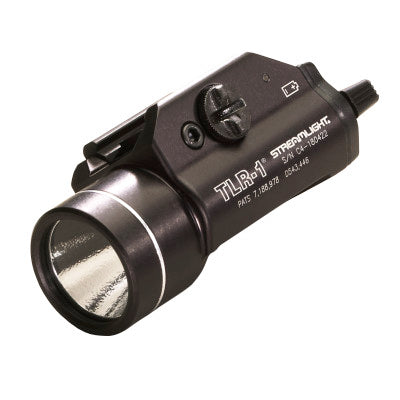
The TLR-1 is a trusted classic for full-sized handguns and long guns, offering bright illumination, rugged construction, and ambidextrous controls. It's the go-to for users needing a reliable, no-frills tactical light with excellent runtime and durability.
-
45% off
Streamlight - TLR-1 HPL® GUN LIGHT
Sale price $21449 Regular price $39041Unit price -
-
Up to 30% off
Streamlight - TLR-1 HL-X Tactical Gun Light, 1500 Lumens
Sale priceFrom $26295 Regular price $37520Unit price -
-
30% off
Streamlight - TLR-1®S Strobing Rail-Mounted Tactical Light
Sale price $19949 Regular price $28469Unit price -
-
Up to 37% off
Streamlight - TLR-1 HL 1,000 Lumen Tactical Light
Sale priceFrom $21449 Regular price $34187Unit price -
-
Up to 30% off
Streamlight - TLR® RM 1, 500 Lumen Tactical Long Gun Light
Sale priceFrom $18549 Regular price $26428Unit price -
-
Up to 30% off
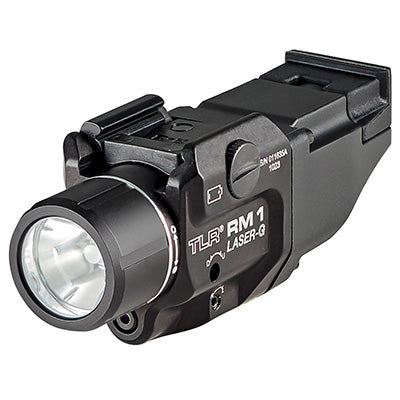
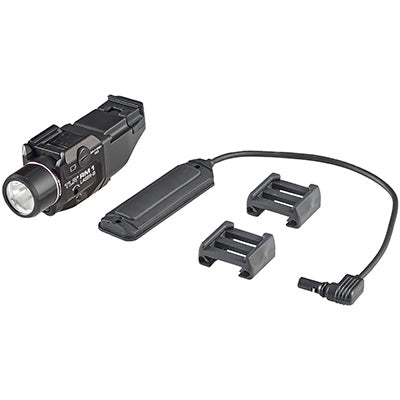
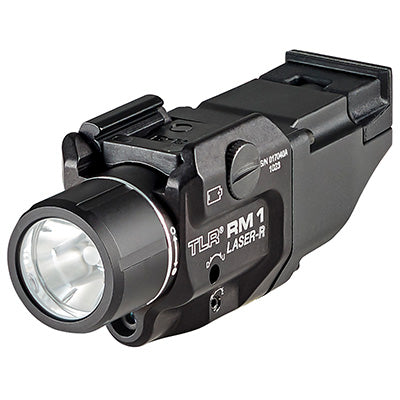
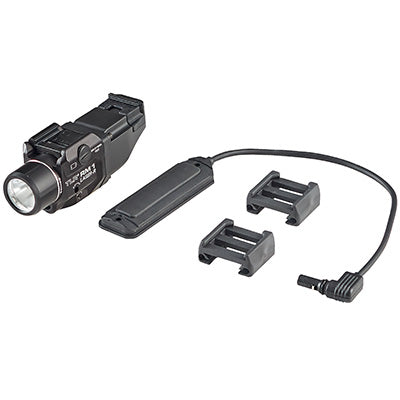
Streamlight - TLR RM 1 500 Lumen Gun Light Green Laser
Sale priceFrom $35449 Regular price $50562Unit price -
-
Up to 34% off
Streamlight - TLR RM 1 Laser 500 Lumen Gun Light Black
Sale priceFrom $31749 Regular price $45304Unit price -
-
Up to 30% off
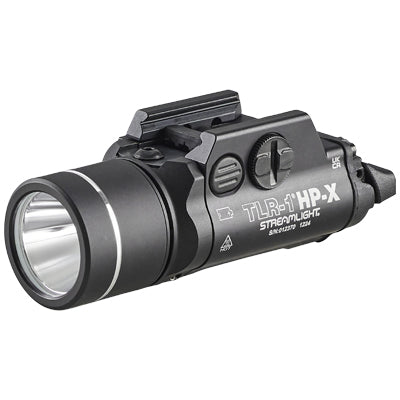
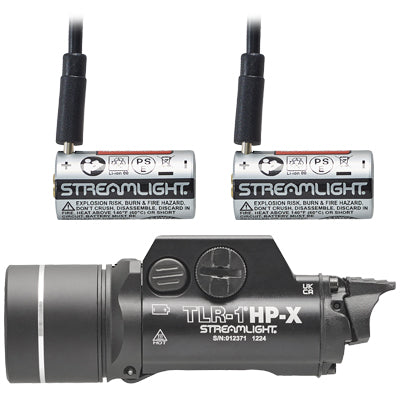
Streamlight - TLR-1 HP-X Long-Range Weapon Light
Sale priceFrom $26295 Regular price $37520Unit price -
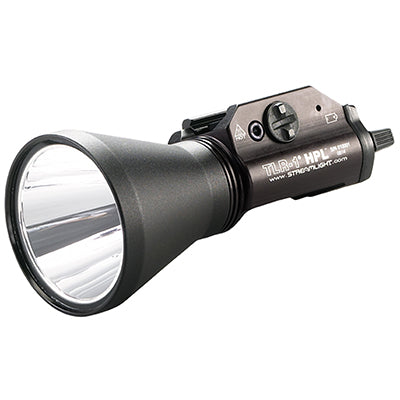
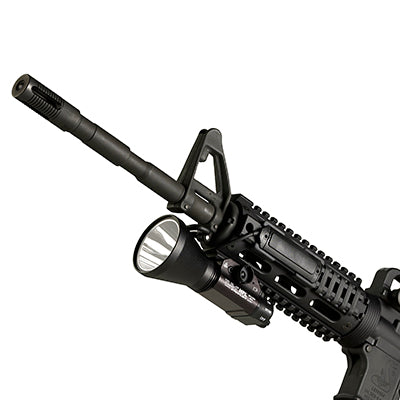


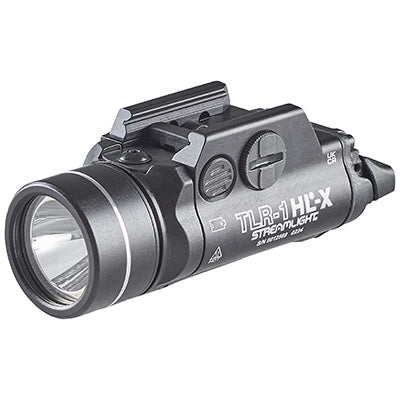
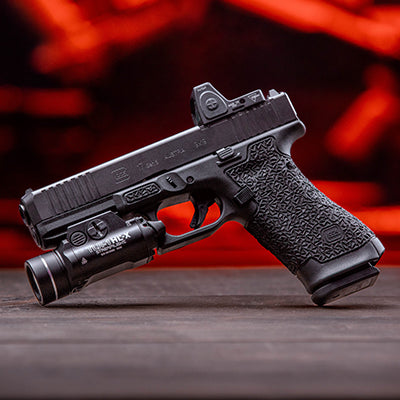


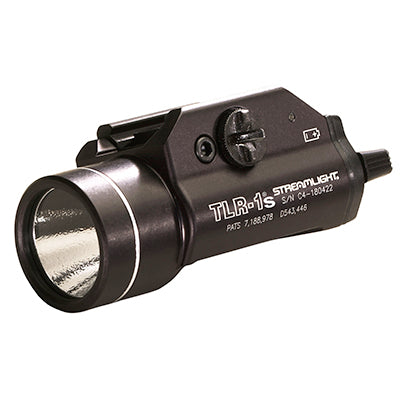














TLR-2 Weapon Lights
View allHelp Me Choose
Light and Laser, Combined Precision
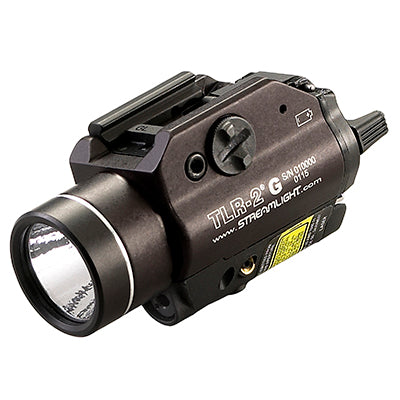
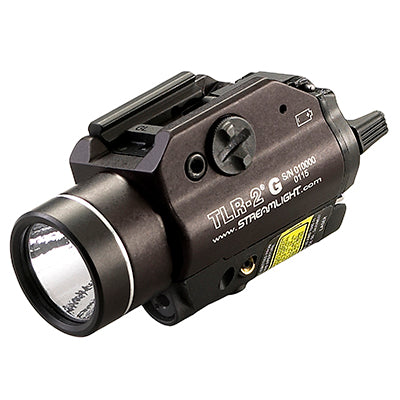
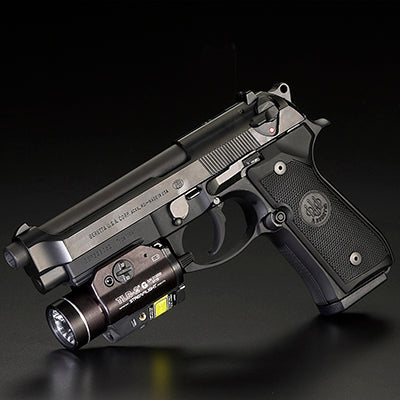
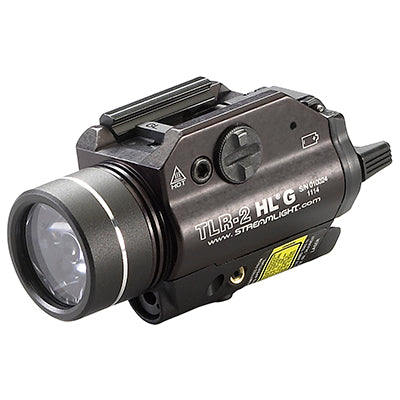
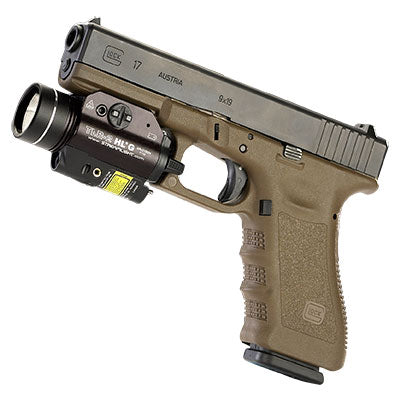
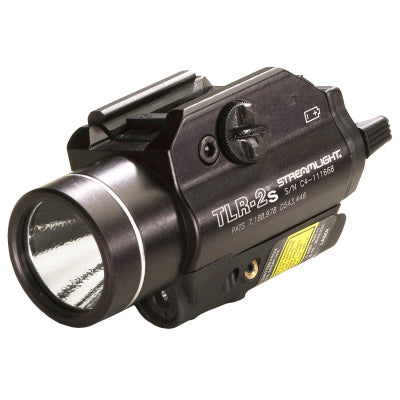
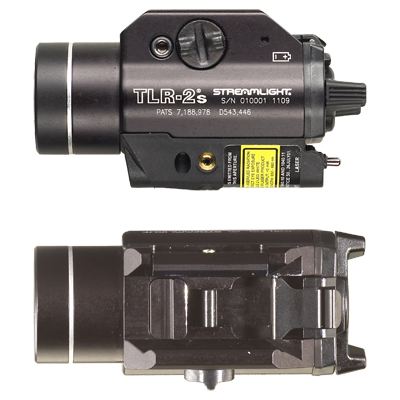
The TLR-2 combines the powerful light of the TLR-1 with a built-in laser sight for added targeting precision. Choose this series if you want both illumination and aim enhancement in one tough, integrated unit.
-
30% off
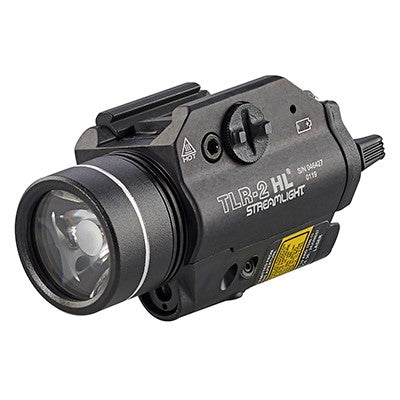
Streamlight - TLR-2 HL 1000-Lumen Tactical Light Laser
Sale price $51395 Regular price $73336Unit price -
-
37% off
Streamlight - TLR-2 G Tactical Gun Light with Laser
Sale price $48595 Regular price $77122Unit price -
-
37% off
Streamlight - TLR-2 HL G 1000 Lumen Gun Light Laser
Sale price $49999 Regular price $79735Unit price -
-
30% off
Streamlight - TLR-2s Tactical Light with Red Laser
Sale price $48895 Regular price $69798Unit price -
-
Up to 42% off
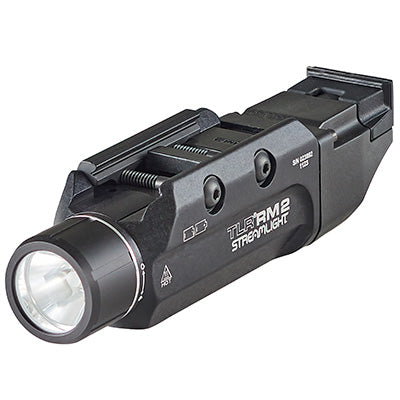
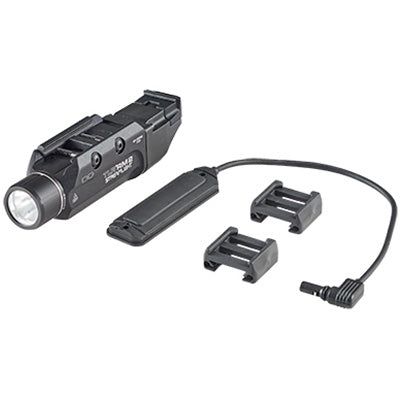
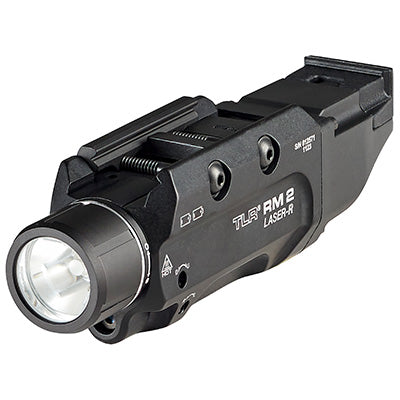
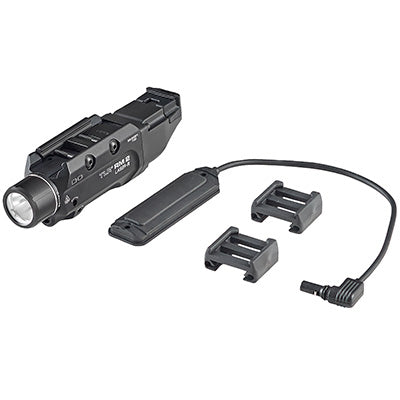
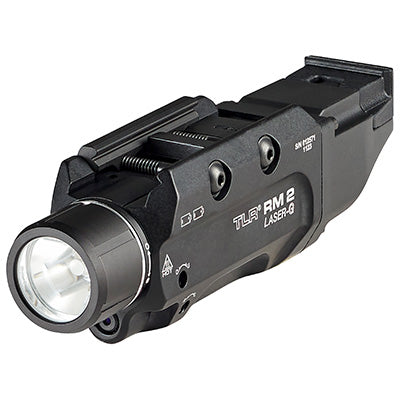
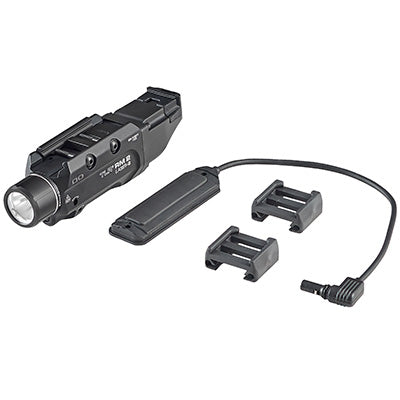
Streamlight - TLR® RM 2, 1,000 Lumen Tactical Long Gun Light
Sale priceFrom $16449 Regular price $28315Unit price -
-
Up to 30% off
Streamlight - TLR RM 2 Gun Light with Red Laser 1000 Lumens
Sale priceFrom $33349 Regular price $47569Unit price -
-
Up to 41% off
Streamlight - TLR RM 2 1,000 Lumen Long Gun Light Laser
Sale priceFrom $34999 Regular price $59146Unit price -














TLR-3 & TLR-4 Weapon Lights
View allHelp Me Choose
Lightweight Options for Compact Handguns
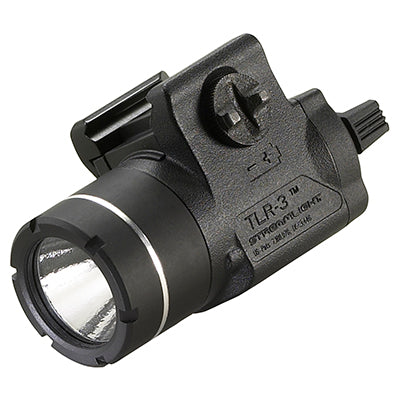
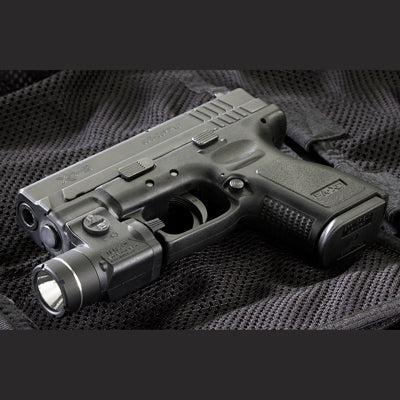
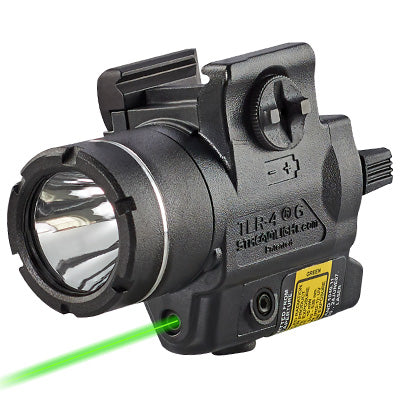
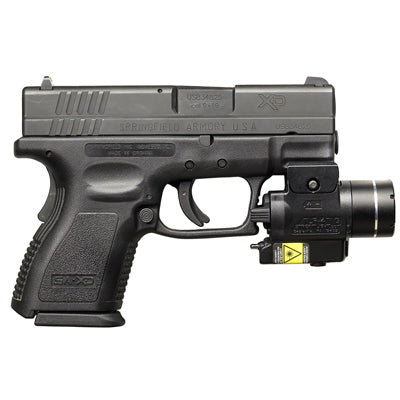
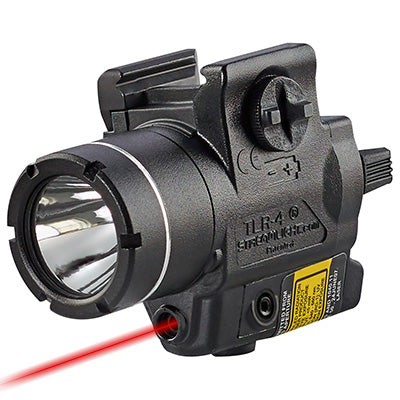
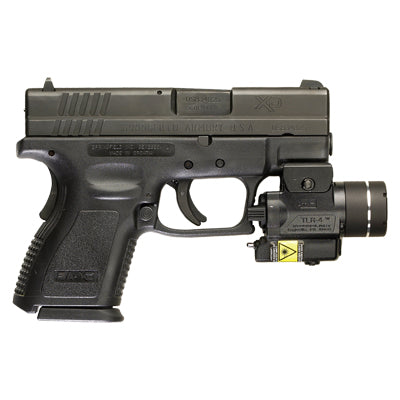
Designed for smaller frames, the TLR-3 (light only) and TLR-4 (light + laser) deliver lighter weight and lower-profile mounting compared to larger models, making them ideal for compact and subcompact pistols without sacrificing reliability.
-
41% off
Streamlight - TLR-3 Compact 170 Lumen Tactical Light
Sale price $11449 Regular price $19310Unit price -
-
35% off
Streamlight - TLR-4 G Compact Tactical Light with Laser
Sale price $35749 Regular price $54852Unit price -
-
37% off
Streamlight - TLR-4 Tactical Light with Red Laser 170 Lumens
Sale price $19295 Regular price $30751Unit price -






TLR-6 Weapon Lights
View allHelp Me Choose
Slim Fit for Concealed Carry
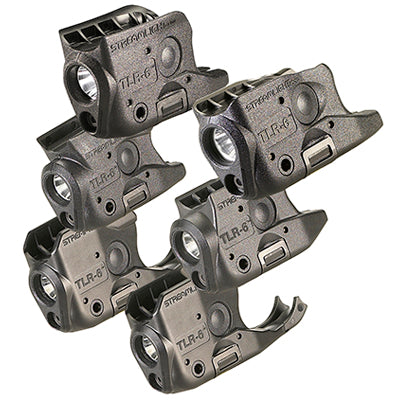
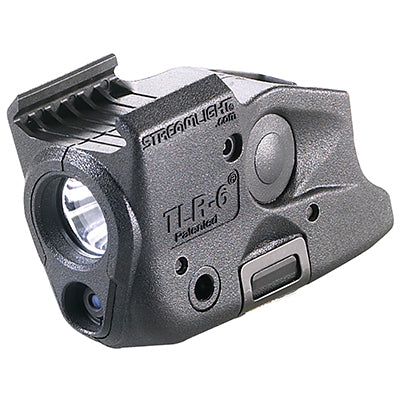
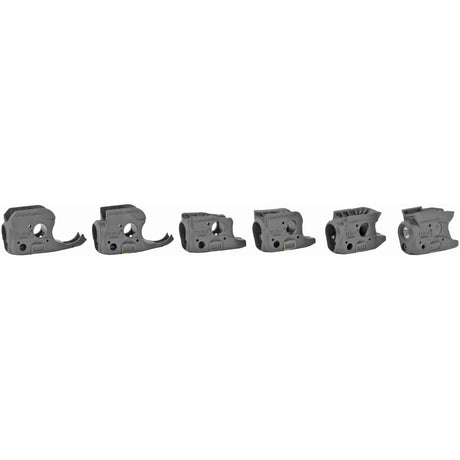
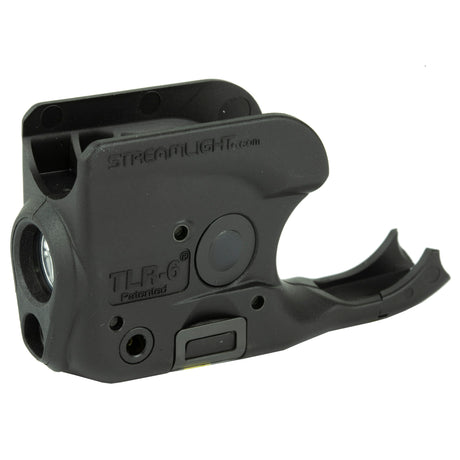
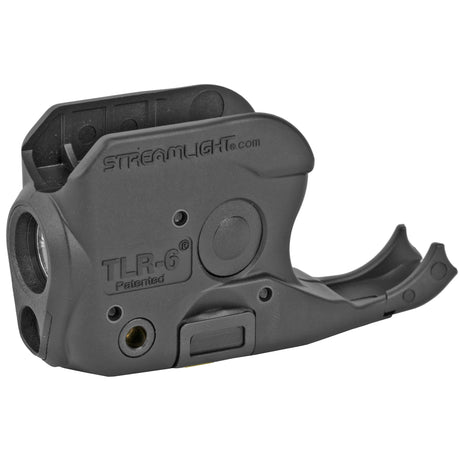
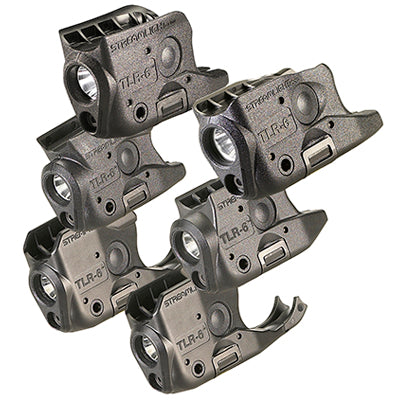
The TLR-6 is custom-fit for ultra-compact handguns, including popular concealed carry models. Featuring tool-less battery replacement and options for light-only or light/laser, it's perfect for everyday carry when size and weight matter most.
-
Up to 39% off
Streamlight - TLR-6® Subcompact Gun Light
Sale priceFrom $9999 Regular price $16523Unit price -
-
Up to 36% off
Streamlight - TLR-6 HL Subcompact Light & Laser Combo
Sale priceFrom $16449 Regular price $25760Unit price -










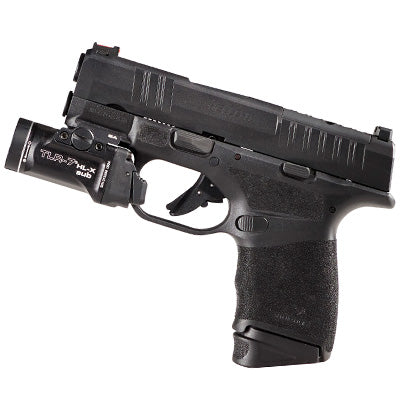
TLR-7 Weapon Lights
View allHelp Me Choose
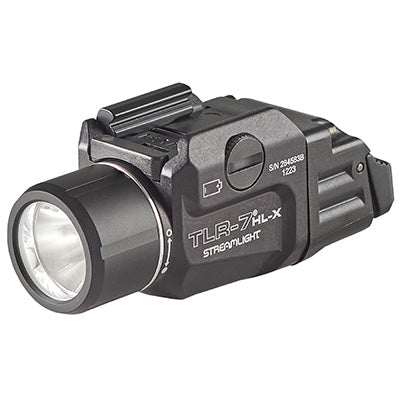
Compact, Bright, and Tactical
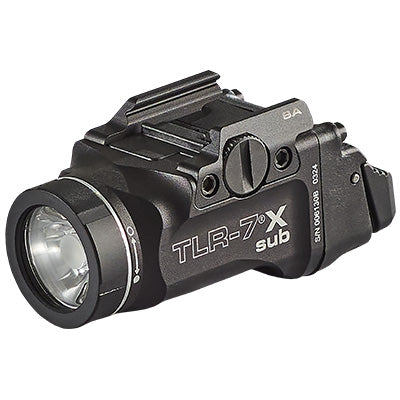
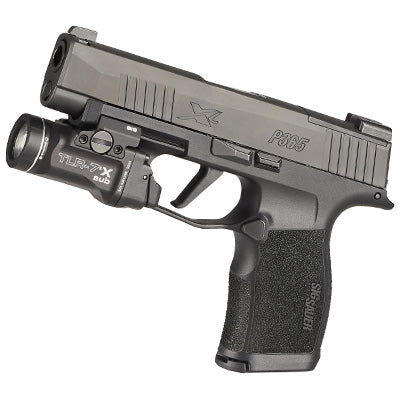
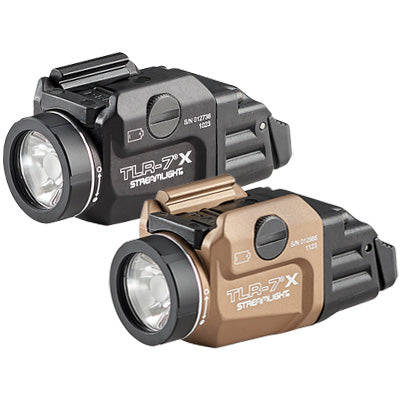
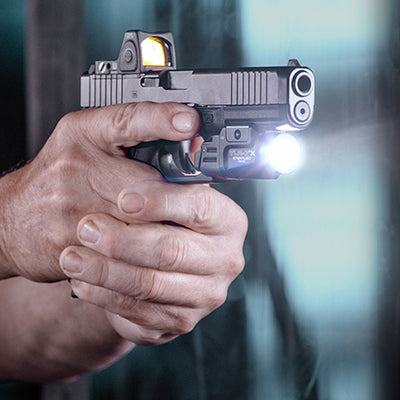
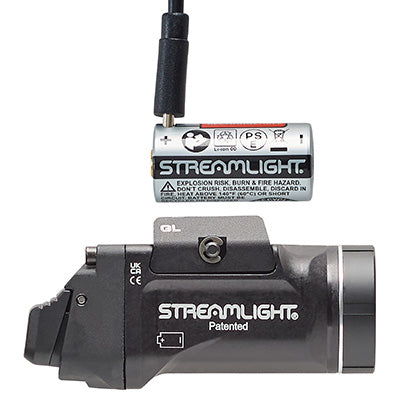
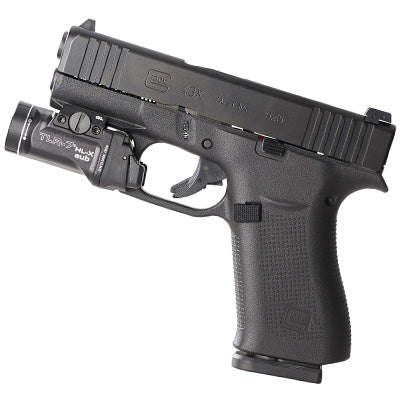
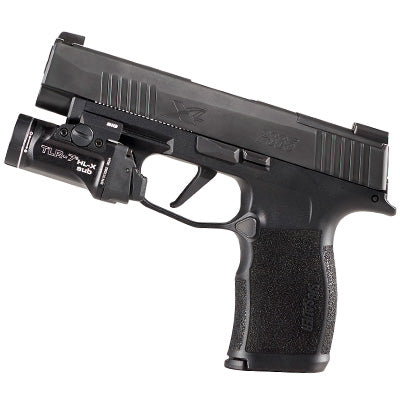
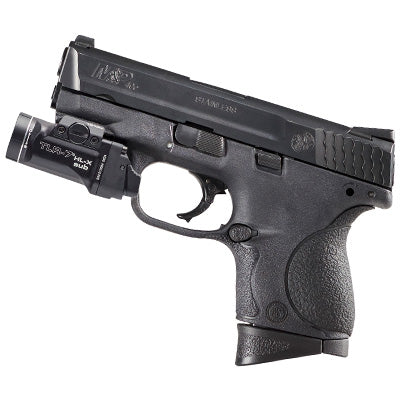
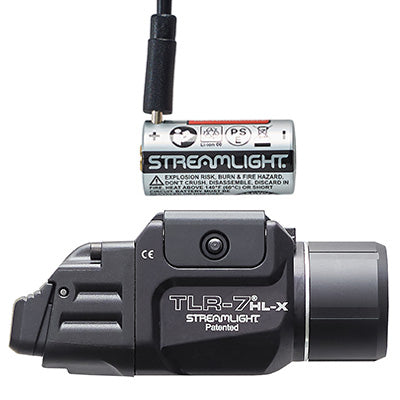
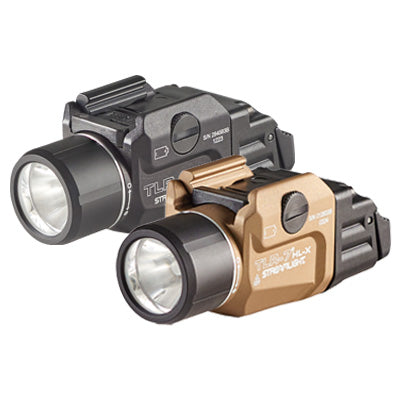
The TLR-7 brings exceptional brightness in a sleek, compact housing that's easy to conceal and quick to activate. It's an excellent choice for compact or full-size pistols when you need tactical performance without bulk.
-
Up to 35% off
Streamlight - TLR-7 X Sub 500 Lumen Weapon Light
Sale priceFrom $18595 Regular price $28410Unit price -
-
Up to 30% off
Streamlight - TLR-7® X Multi-Fuel Tactical Weapon Light
Sale priceFrom $19949 Regular price $28410Unit price -
-
30% off
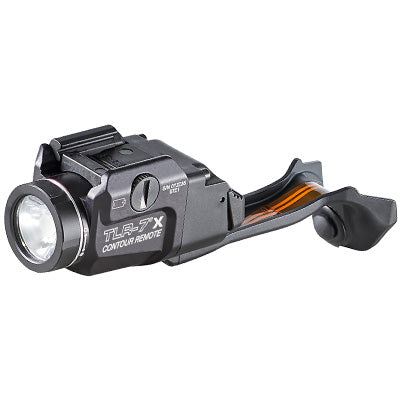
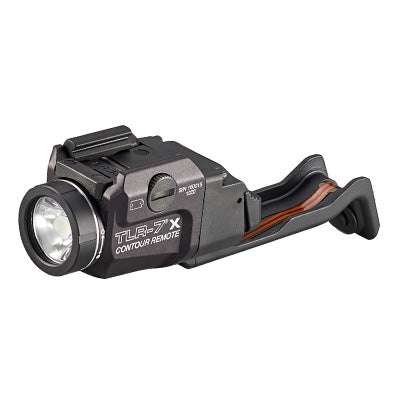
Streamlight - TLR-7 X Tactical Light With Remote Switch
Sale price $22049 Regular price $31461Unit price -
-
Up to 30% off
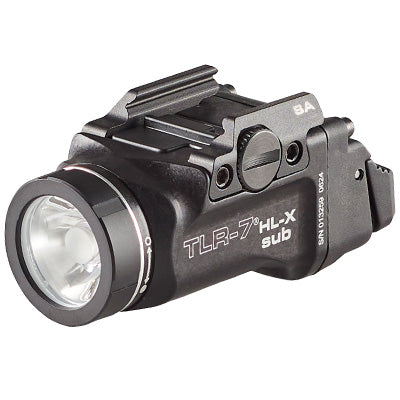
Streamlight - TLR-7 HL-X Sub 1,000-Lumen Weapon Light
Sale price $23149 Regular price $33040Unit price -
-
Up to 30% off
Streamlight - TLR-7 HL-X 1000 Lumen Tactical Light
Sale priceFrom $23149 Regular price $33040Unit price -










TLR-8 Weapon Lights
View allHelp Me Choose
Light and Laser in a Compact Package
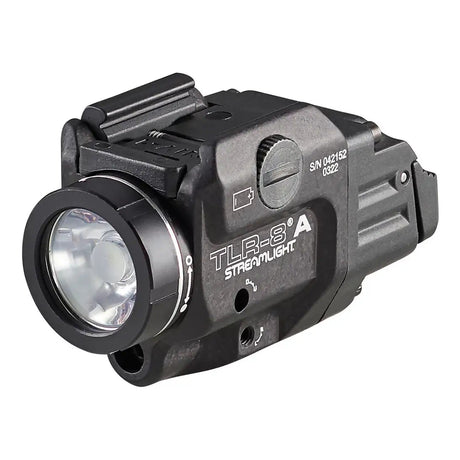
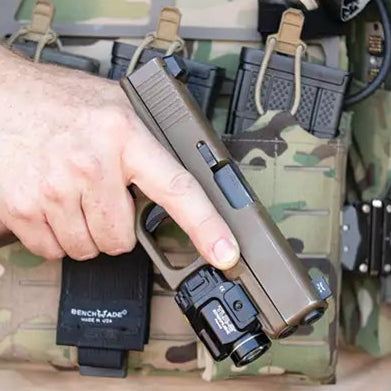
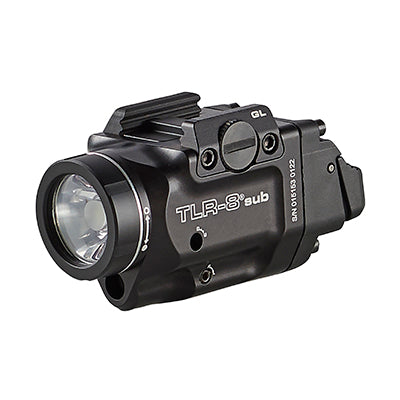
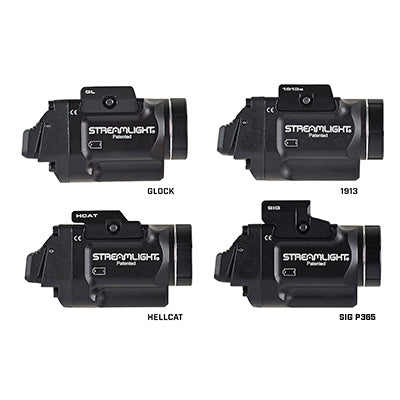
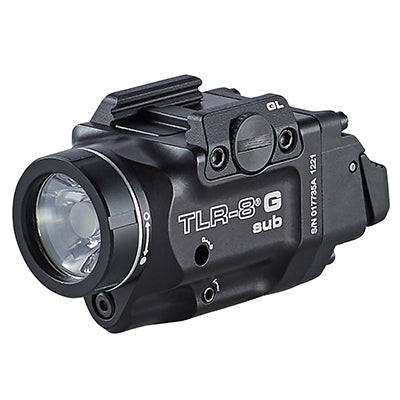
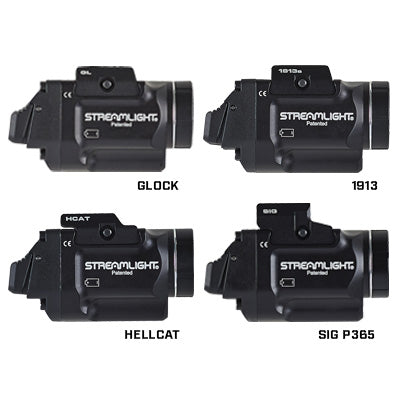
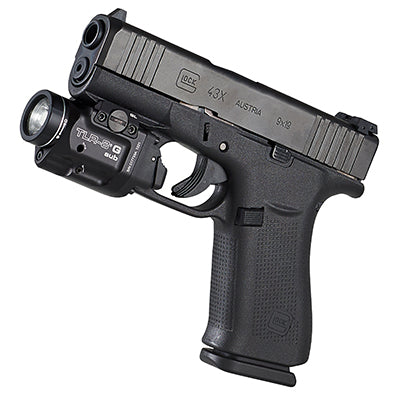
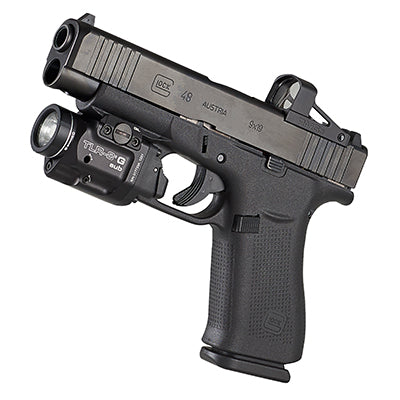
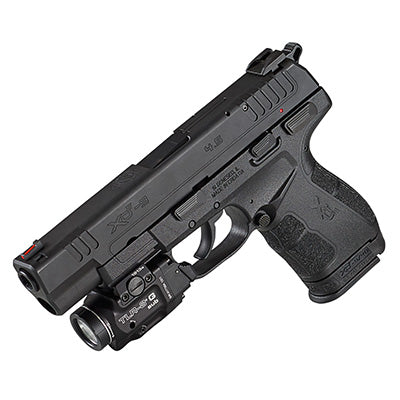
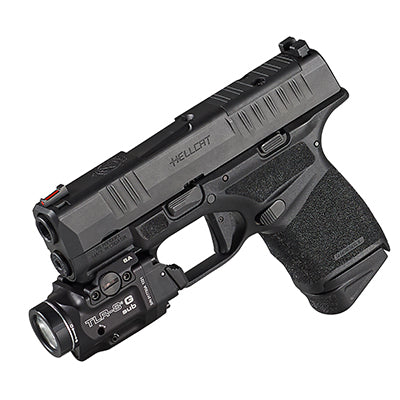
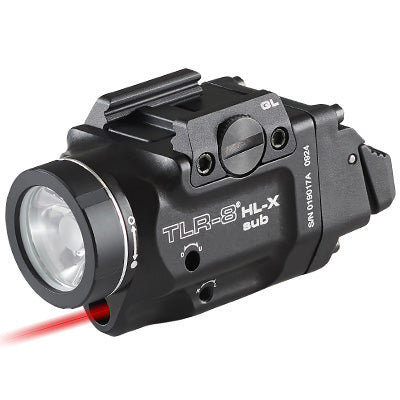
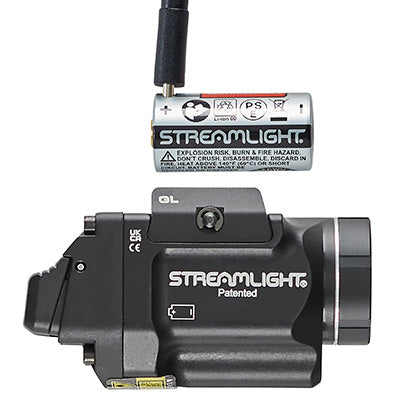
Building on the TLR-7, the TLR-8 adds an integrated laser for enhanced aiming capabilities, all while staying small enough for concealed carry. Pick the TLR-8 when you need versatility for both visibility and precision.
-
Up to 42% off
Streamlight - TLR-8A FLEX 500LM with Red or Green Laser
Sale priceFrom $26595 Regular price $46247Unit price -
-
Up to 36% off
Streamlight - TLR-8 Sub Compact Tactical Light Red Laser
Sale priceFrom $27895 Regular price $43630Unit price -
-
Up to 30% off
Streamlight - TLR-8 G Sub Tactical Light With Laser
Sale price $37449 Regular price $53424Unit price -
-
30% off
Streamlight - TLR-8 HL-X SUB Gun Light with Red Laser
Sale price $33795 Regular price $48222Unit price -
-
Up to 48% off
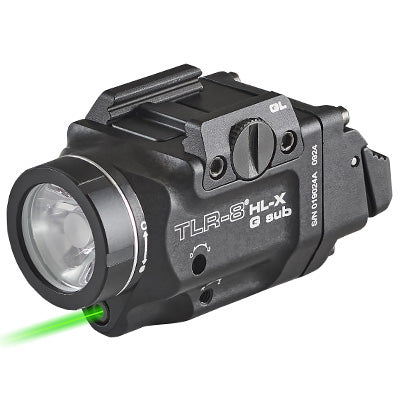
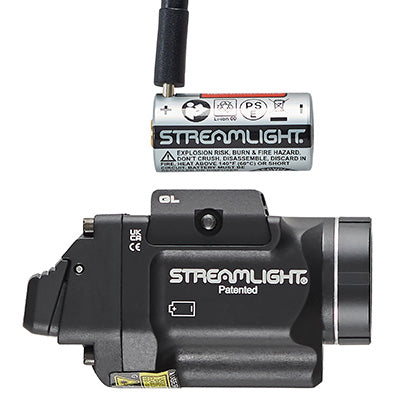
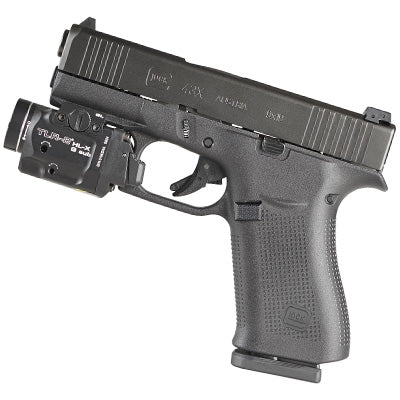
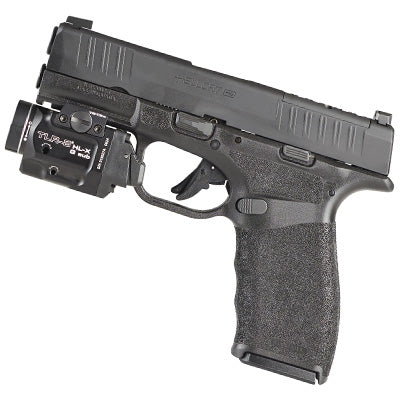
Streamlight - TLR-8 HL-X G SUB GUN LIGHT WITH GREEN LASER
Sale priceFrom $30095 Regular price $58016Unit price -
-
Up to 36% off
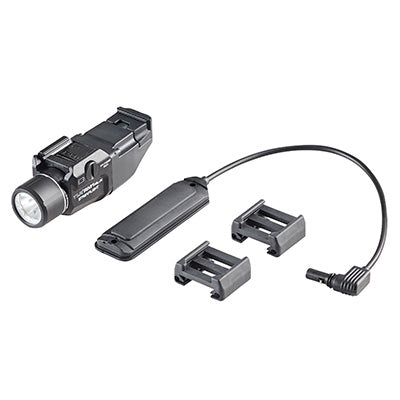
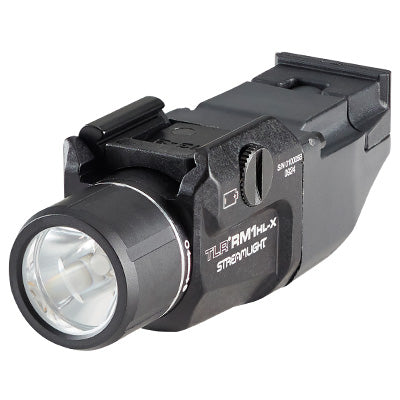
Streamlight - TLR RM 1 HL-X Rail Mounted Lighting System
Sale priceFrom $19999 Regular price $31058Unit price -
-
30% off
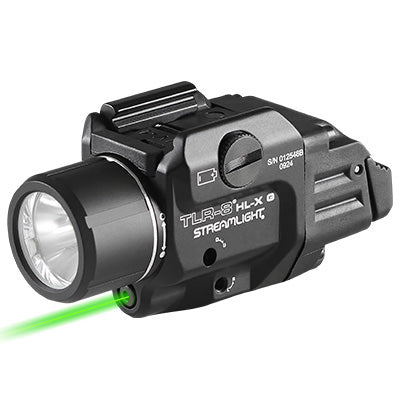
Streamlight - TLR-8 HL-X G Gun Light with Green Laser
Sale price $42895 Regular price $61221Unit price -














TLR-9 & TLR-10 Weapon Lights
View allHelp Me Choose
Full-Sized Power for Duty and Defense
Designed for full-frame pistols and carbines, the TLR-9 (light only) and TLR-10 (light + laser) provide maximum brightness, long-range beams, and rugged durability. Ideal for those who prioritize performance and versatility over size.
-
30% off
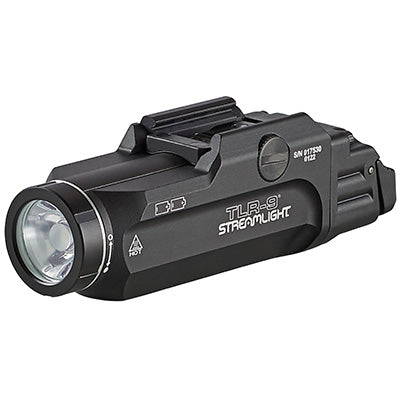
Streamlight - TLR-9 FLEX 1,000 Lumen Weapon Light Black
Sale price $21195 Regular price $30202Unit price -
-
Up to 40% off
Streamlight - TLR-10 FLEX 1,000 Lumen Tactical Light
Sale priceFrom $33949 Regular price $48450Unit price -
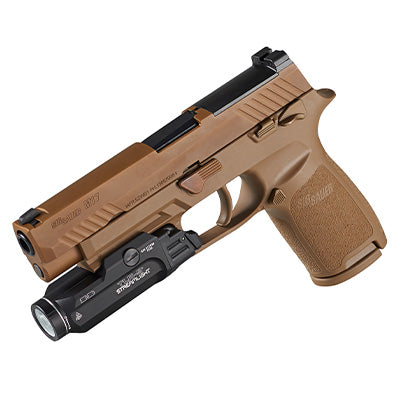


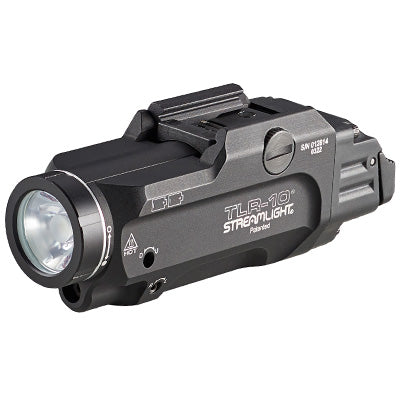
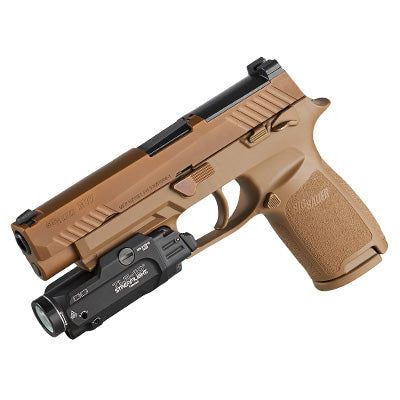


Streamlight Tactical Series
View all-
Up to 30% off
Streamlight - PolyTac X USB 600 Lumen Tactical Flashlight
Sale price $8349 Regular price $11892Unit price -
-
30% off
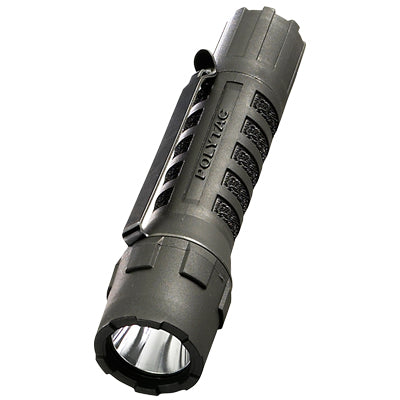
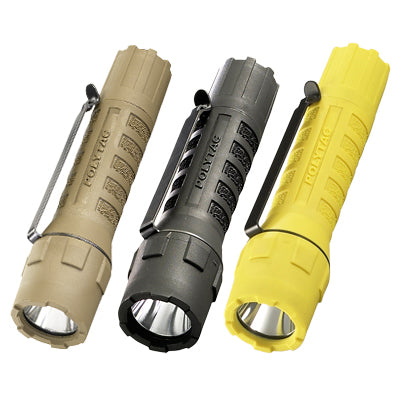
Streamlight - POLYTAC® All Purpose, Sure Grip Flashlight
Sale price $6949 Regular price $9911Unit price -
-
30% off
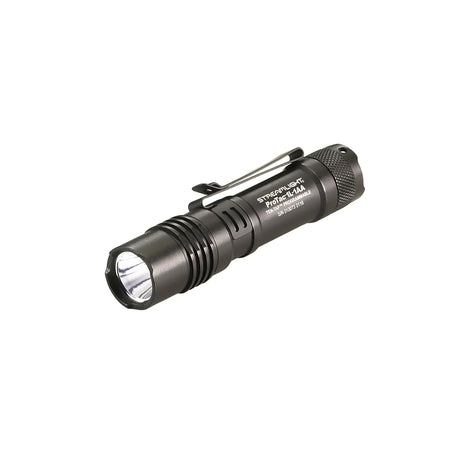
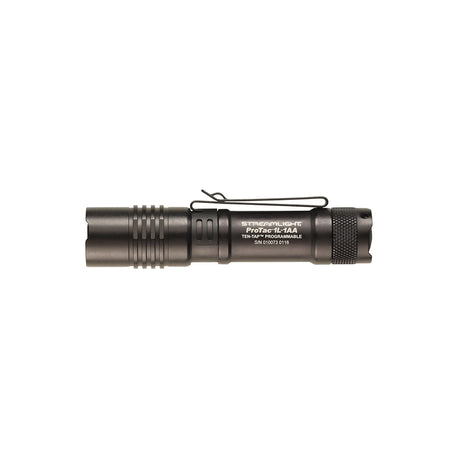
Streamlight - ProTac 1L-1AA Compact Tactical Flashlight
Sale price $6295 Regular price $8985Unit price -
-
30% off
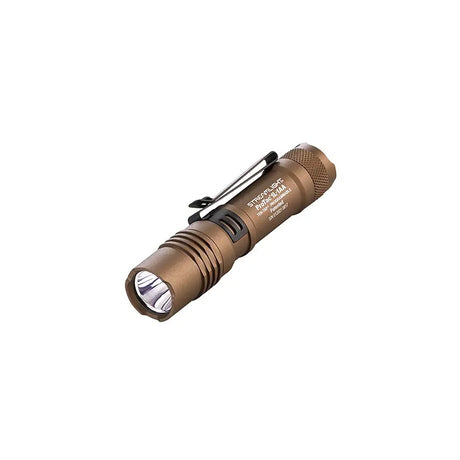
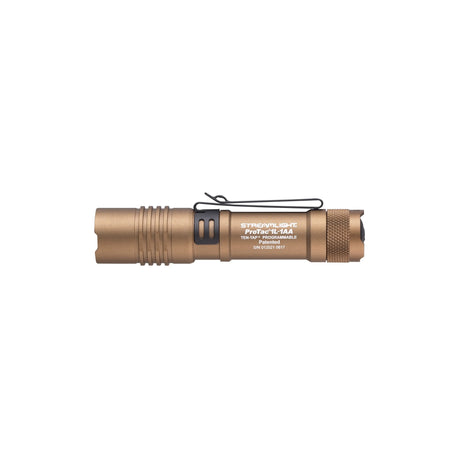
Streamlight - ProTac 1L-1AA Dual Fuel Flashlight, Coyote
Sale price $6295 Regular price $8985Unit price -
-
Up to 36% off
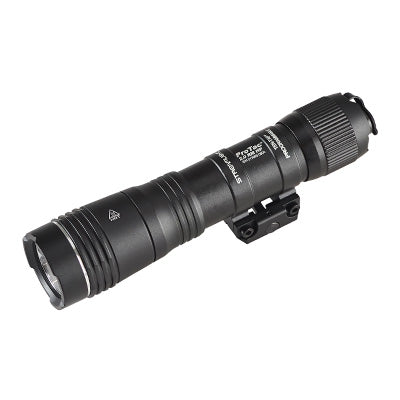
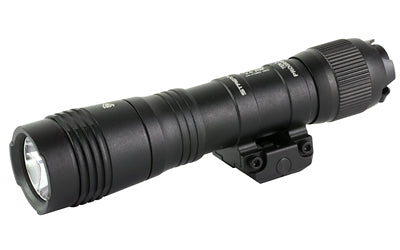
Streamlight - PROTAC 2.0 Rail Mount HP Long Gun Light
Sale priceFrom $17895 Regular price $28112Unit price -
-
Up to 30% off
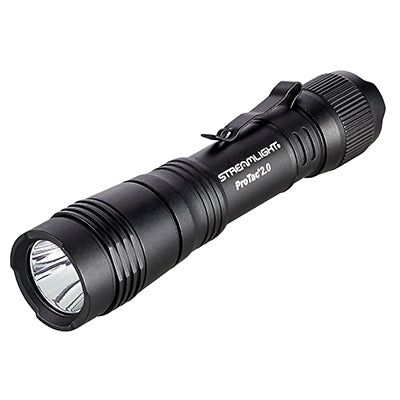
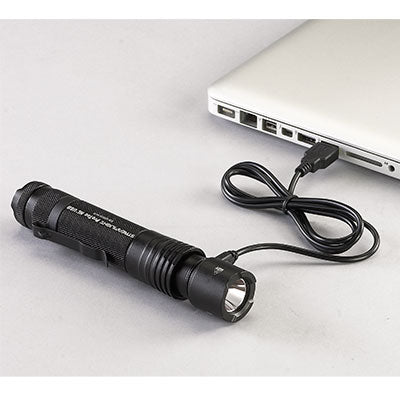
Streamlight - ProTac 2.0 USB Rechargeable Tactical Light
Sale priceFrom $15299 Regular price $21840Unit price -
-
Up to 35% off
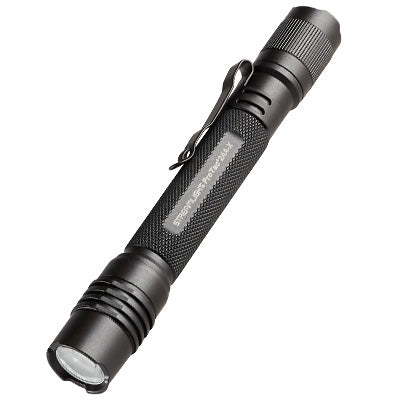
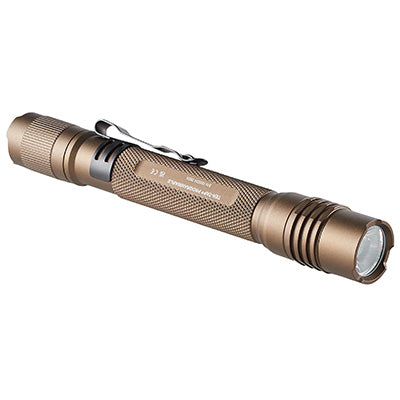
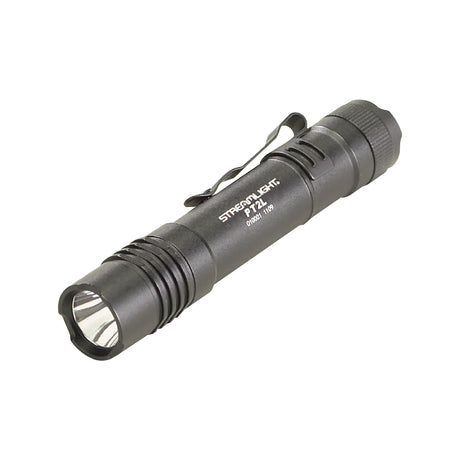
Streamlight - ProTac 2AA-X Tactical Flashlight, 550 Lumens
Sale priceFrom $5999 Regular price $9249Unit price -
-
30% off
Streamlight - ProTac 2L Compact 350 Lumen Tactical Light
Sale price $7895 Regular price $11232Unit price -
-
Up to 30% off
Streamlight - ProTac 2L-X USB 500 Lumen Flashlight
Sale priceFrom $7895 Regular price $11232Unit price -
-
Up to 30% off
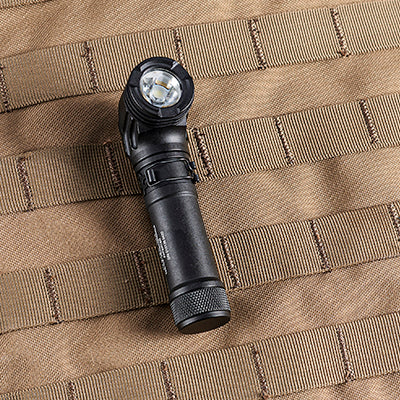
Streamlight - ProTac 90X Right-Angle Tactical Flashlight
Sale priceFrom $8849 Regular price $12584Unit price -
-
30% off
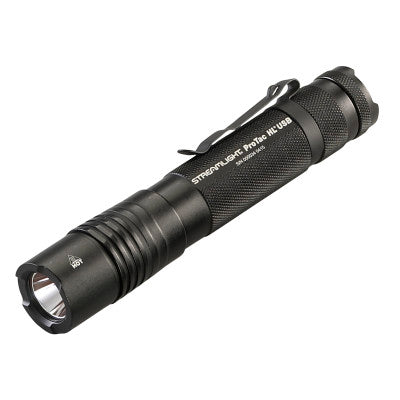
Streamlight - ProTac HL 1000 Lumen USB Tactical Flashlight
Sale price $16695 Regular price $23784Unit price -
-
30% off
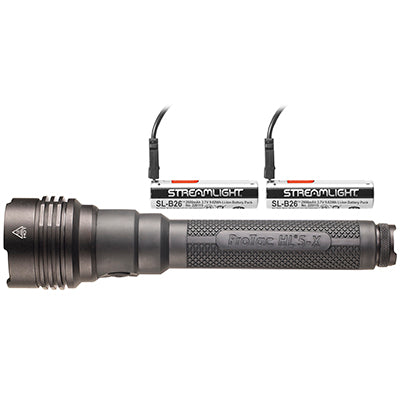
Streamlight - ProTac HL 5-X USB 3500 Lumen Flashlight
Sale price $16199 Regular price $23125Unit price -
-
36% off
Streamlight - ProTac HL 750 Lumen Tactical Flashlight
Sale price $11449 Regular price $17839Unit price -
-
Up to 30% off
Streamlight - ProTac HL-X 1,000 Lumen Gun Light & Laser
Sale priceFrom $22949 Regular price $32720Unit price -
-
Up to 30% off
Streamlight - PROTAC HL® 6 Flashlight
Sale priceFrom $19949 Regular price $27751Unit price -
-
30% off
Streamlight - ProTac Rail Mount 1: 350 Lumen Tactical Light
Sale price $16199 Regular price $23125Unit price -
-
37% off
Streamlight - ProTac Rail Mount 2 Tactical Light 625LM
Sale price $15749 Regular price $25106Unit price -
-
Up to 30% off
Streamlight - PROTAC RAIL MOUNT HL-X PRO LONG GUN LIGHT
Sale priceFrom $19495 Regular price $27776Unit price -
-
Up to 36% off
Streamlight - PROTAC Rail Mount HP-X Pro Long Gun Light
Sale priceFrom $16449 Regular price $25536Unit price -
-
Up to 39% off
Streamlight - ProTac Rail Mount VIR Pro White & IR Weapon Light
Sale priceFrom $24295 Regular price $40000Unit price -
-
30% off
Streamlight - PROTAC® HL-X USB // PROTAC® HL-X FLASHLIGHT
Sale price $12499 Regular price $17839Unit price -
-
21% off
Streamlight - PROTAC® RAIL MOUNT HL-X LONG GUN LIGHT
Sale price $18549 Regular price $23596Unit price -
-
Up to 36% off
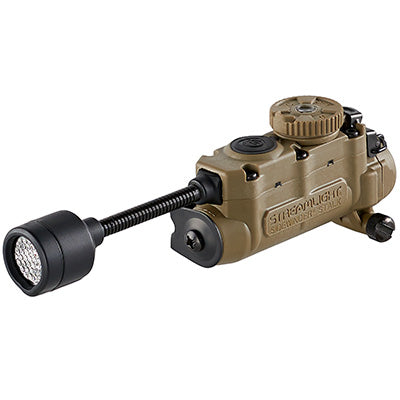
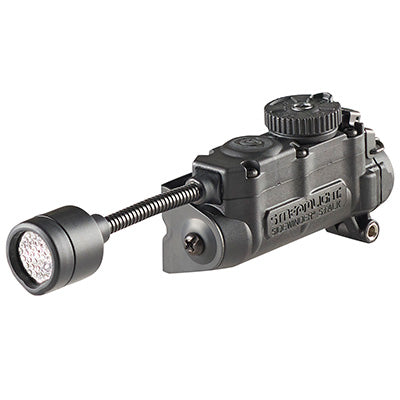
Streamlight - Sidewinder Stalk Military Helmet Light System
Sale priceFrom $16449 Regular price $25798Unit price -
-
Up to 48% off
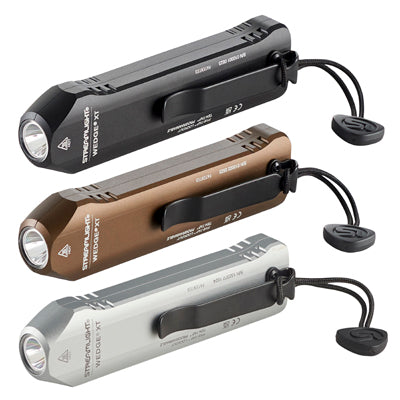
Streamlight - Wedge XT USB-C Rechargeable Flashlight
Sale priceFrom $9249 Regular price $17881Unit price -
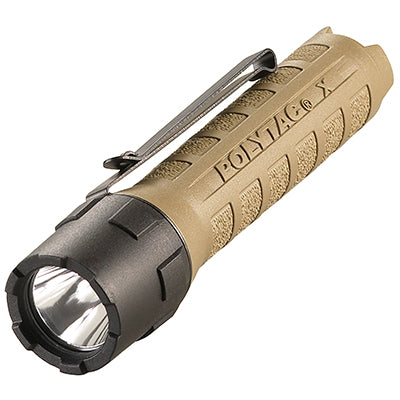
























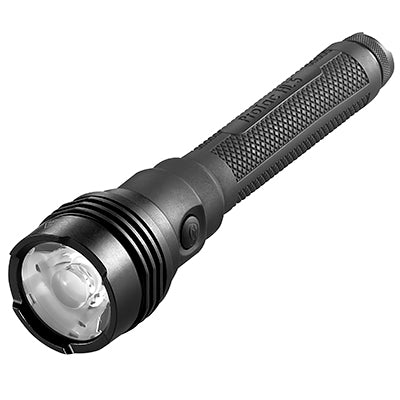

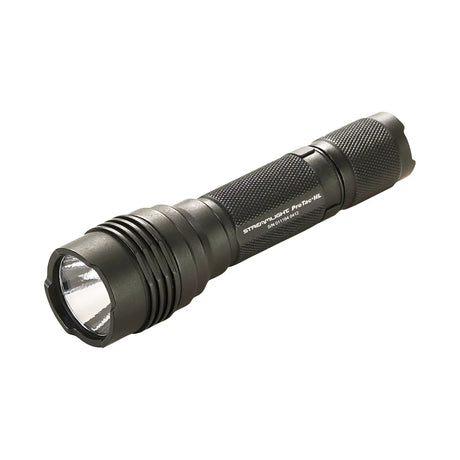
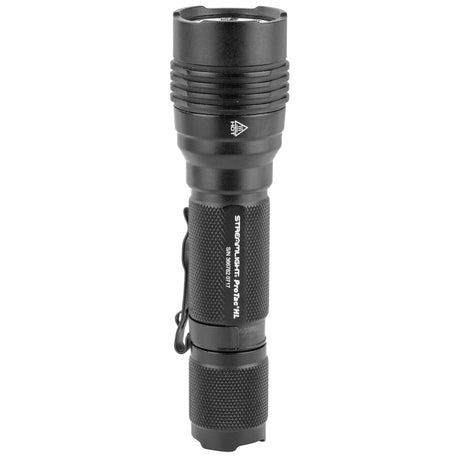

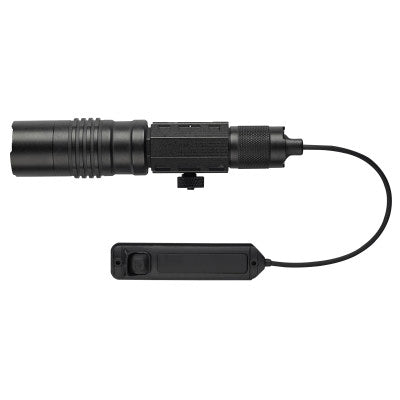




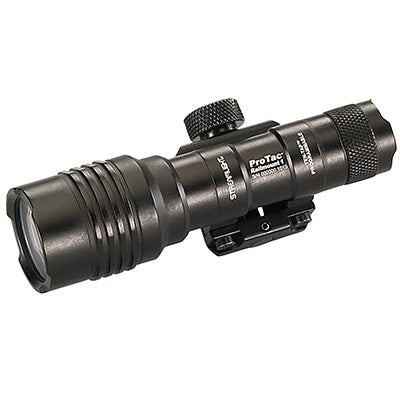


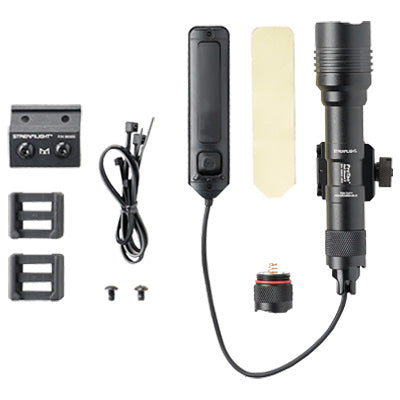
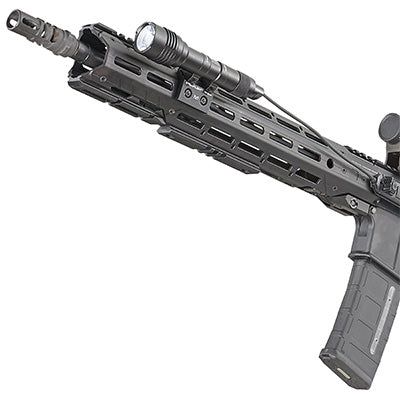


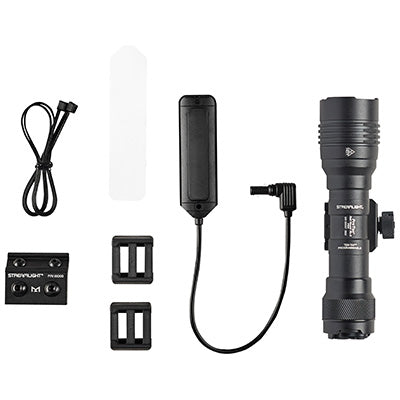
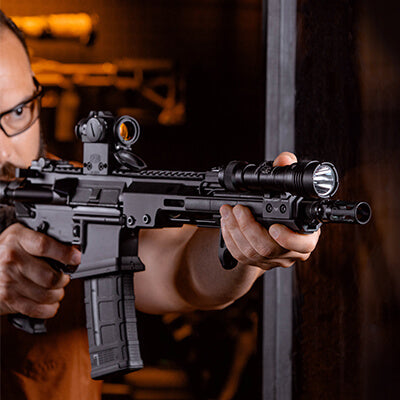


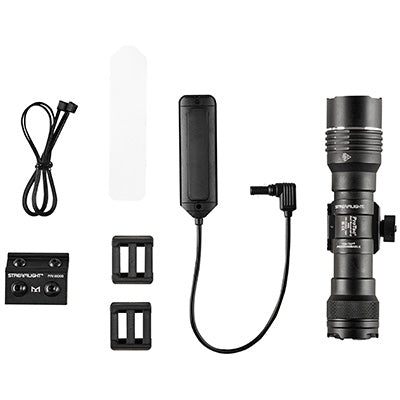
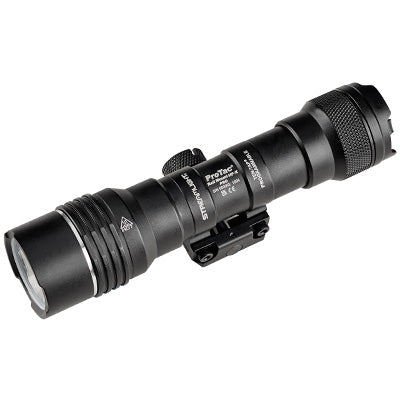


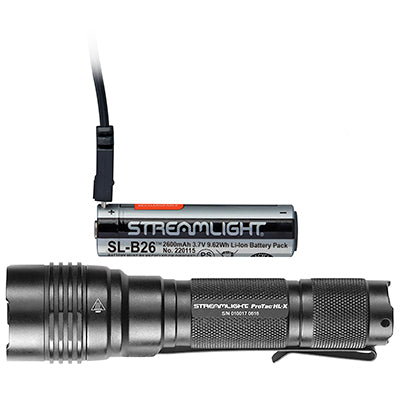








Streamlight Switches & Accessories
View all-
 42% off
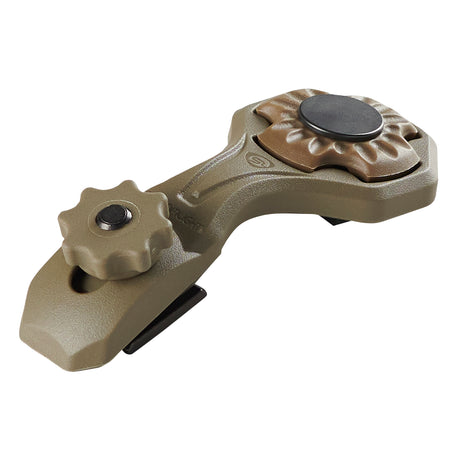
Streamlight - High Offset ARC Mount for Sidewinder X, Coyote
Sale price $3049 Regular price $5264Unit price -
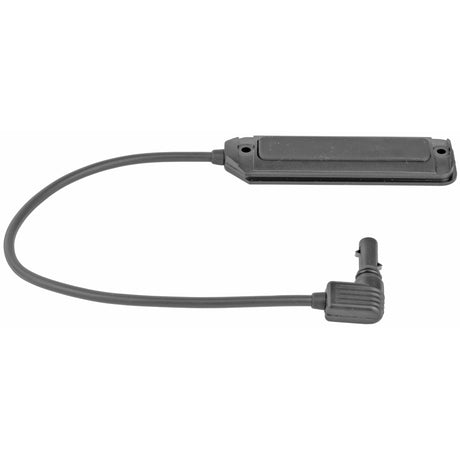 28% off
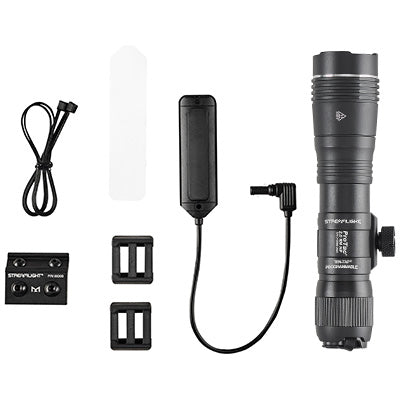
Streamlight - Remote Switch for TLR
Sale price $4295 Regular price $5971Unit price -
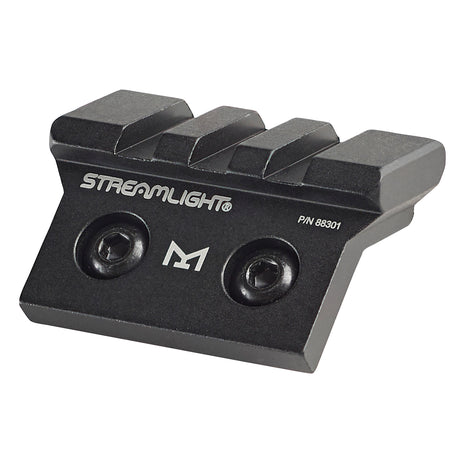 22% off
Streamlight - MLOK Mount for TLR Series
Sale price $2195 Regular price $2800Unit price -
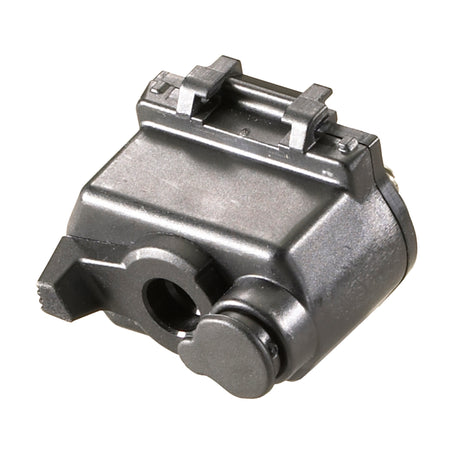 22% off
Streamlight - 69130 Battery Door Switch Assembly
Sale price $5749 Regular price $7357Unit price -
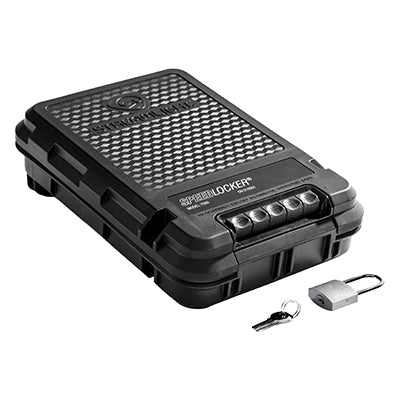
30% off
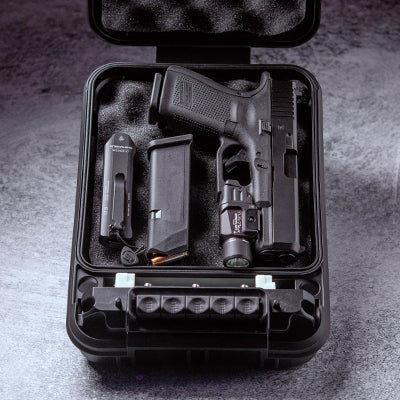
Streamlight - SpeedLocker Portable Lockable Storage Box
Sale price $12949 Regular price $18480Unit price -
-
31% off
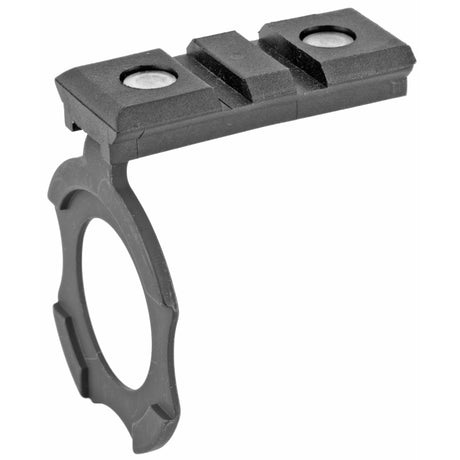
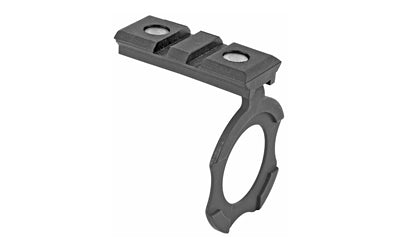
Streamlight, Rail, Fits Remington 870, Black
Sale price $2295 Regular price $3331Unit price -


Streamlight Handhelds
View all-
Up to 39% off
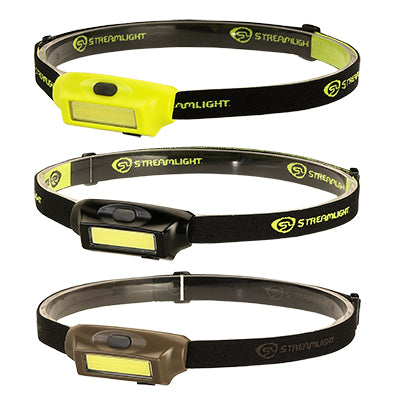
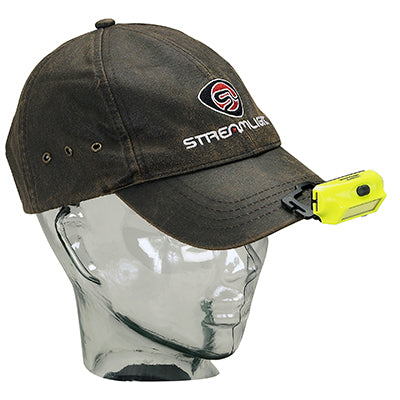
Streamlight - Bandit USB Rechargeable LED Headlamp
Sale priceFrom $2895 Regular price $4717Unit price -
-
Sold out29% off
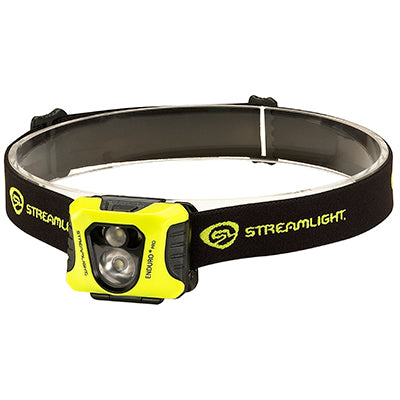
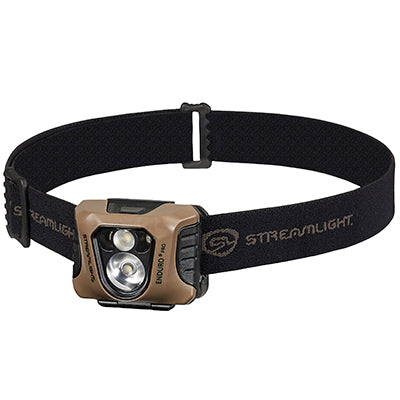
Streamlight - ENDURO® PRO HEADLAMP
Sale price $2995 Regular price $4229Unit price -
-
30% off
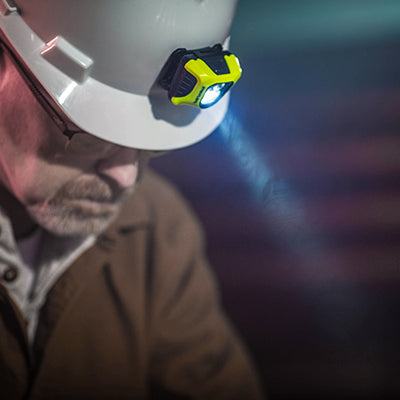
Streamlight – Sledge Rechargeable Rugged Flood Beam Headlamp
Sale price $8449 Regular price $12000Unit price -
-
33% off
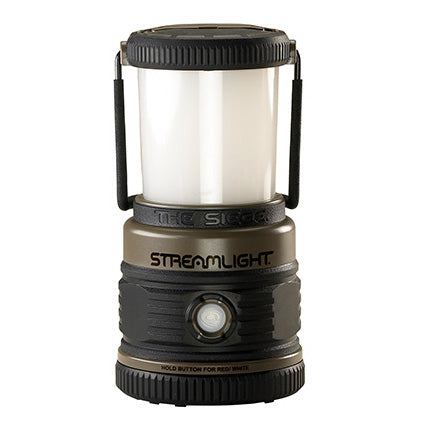
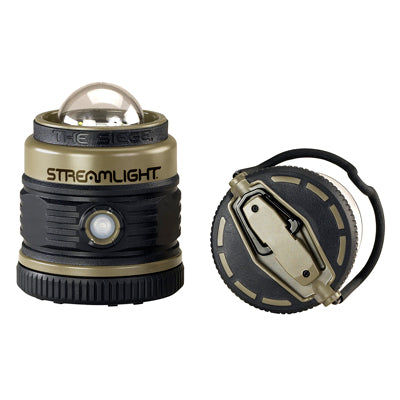
Streamlight - Siege Compact Waterproof Lantern, Coyote Tan
Sale price $5749 Regular price $8581Unit price -
-
30% off
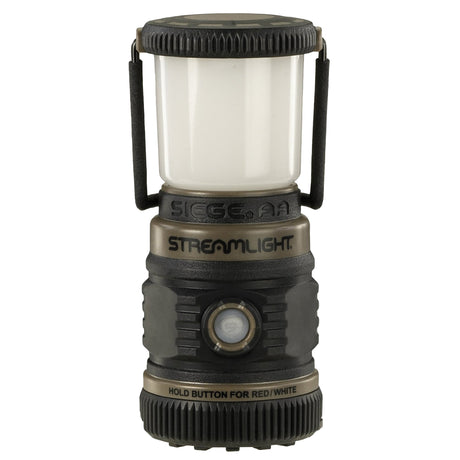
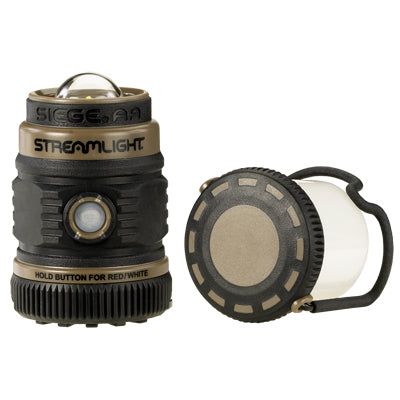
Streamlight - Siege AA Waterproof Compact Lantern Coyote
Sale price $4449 Regular price $6343Unit price -
-
37% off
Streamlight - SYCLONE® COMPACT RECHARGEABLE WORK LIGHT
Sale price $7149 Regular price $11325Unit price -
-
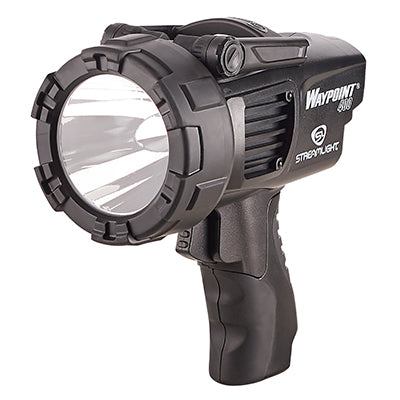
30% off
Streamlight - WAYPOINT® 400 RECHARGEABLE SPOTLIGHT
Sale price $18895 Regular price $26955Unit price -
-
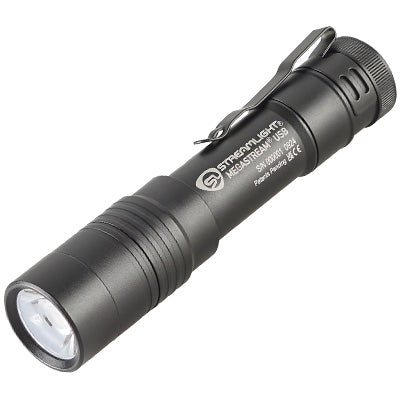
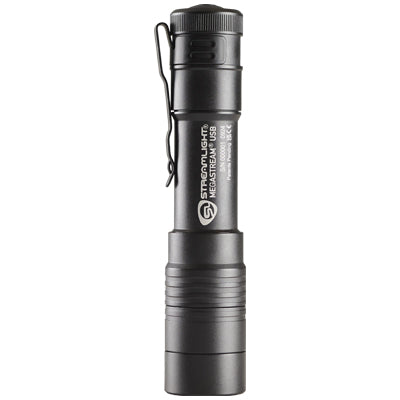
30% off
Streamlight - MEGASTREAM® USB FLASHLIGHT
Sale price $11649 Regular price $16576Unit price -
-
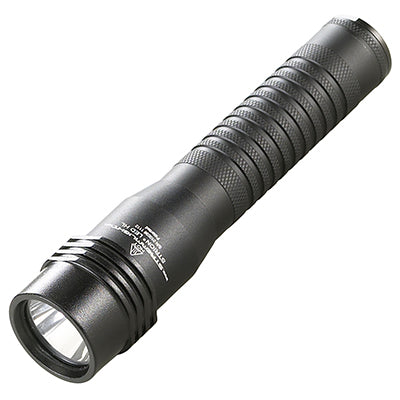
30% off
Streamlight - Strion HL 615 Lumen Rechargeable Flashlight
Sale price $23995 Regular price $34253Unit price -
-
30% off
Streamlight - Strion 2020 1,200 Lumen Rechargeable Light
Sale price $23195 Regular price $33051Unit price -
-
34% offSale price $1249 Regular price $1904Unit price
-
-
40% off
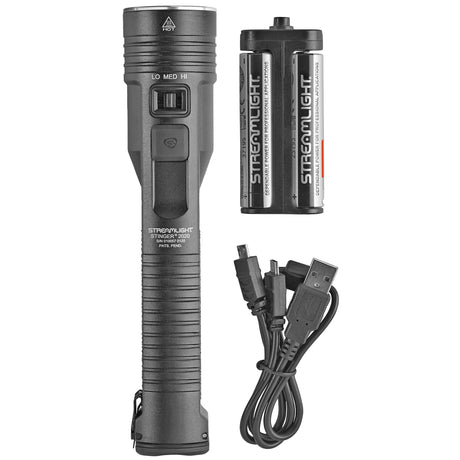
Streamlight - STINGER® 2020 Rechargeable LED Flashlight
Sale price $19999 Regular price $33348Unit price -
-
29% off
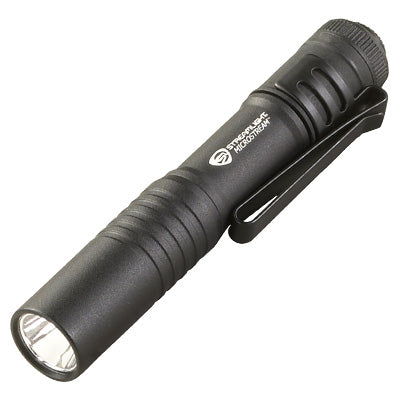
Streamlight - MicroStream 45 Lumen EDC LED Pocket Light
Sale price $2749 Regular price $3889Unit price -
-
Up to 30% off
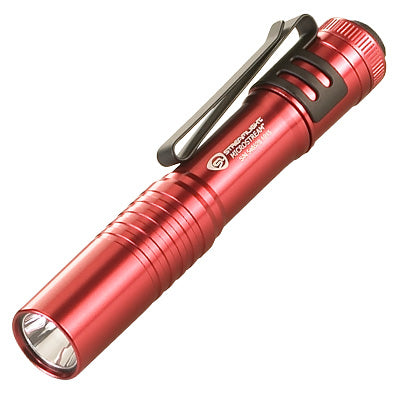
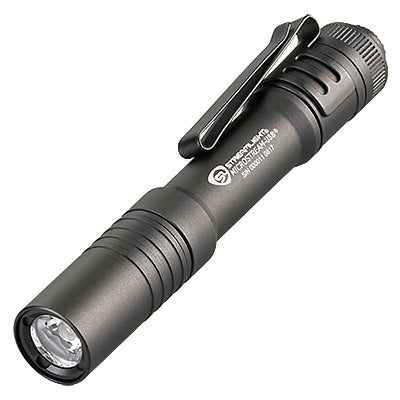
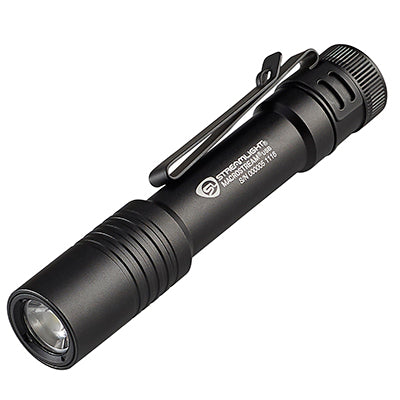
Streamlight - MicroStream USB Rechargeable Pocket Light
Sale price $4649 Regular price $6607Unit price -
-
Up to 34% off
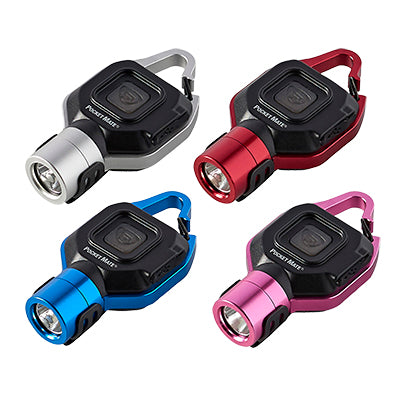
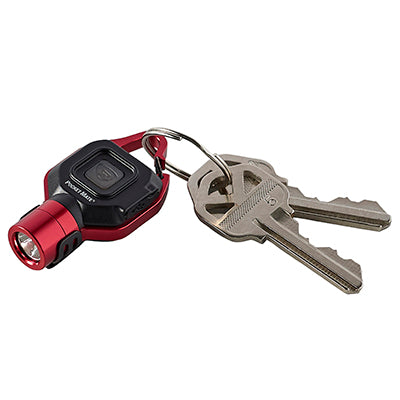
Streamlight - POCKET MATE® USB
Sale priceFrom $2895 Regular price $4405Unit price -
-
30% off
Streamlight - MicroStream USB Rechargeable EDC Flashlight
Sale price $7949 Regular price $11325Unit price -
-
30% off
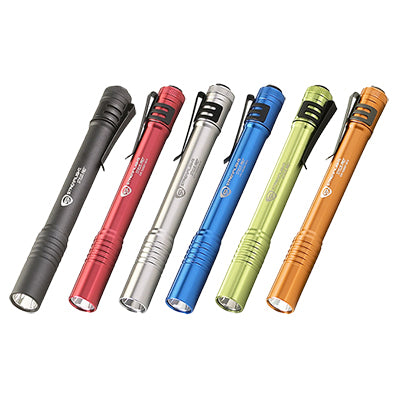
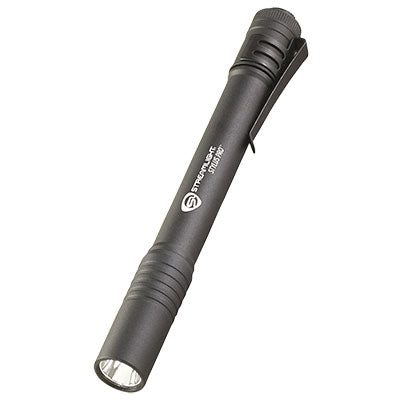
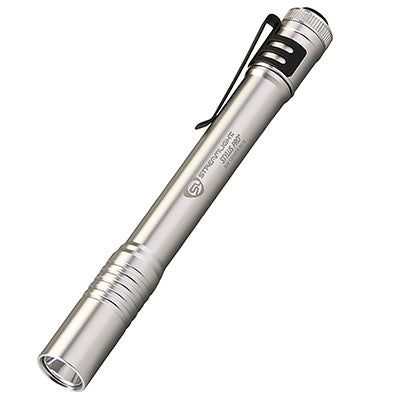
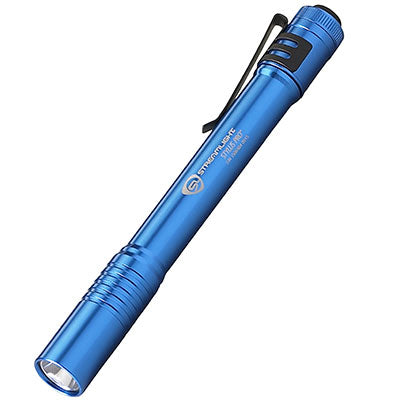
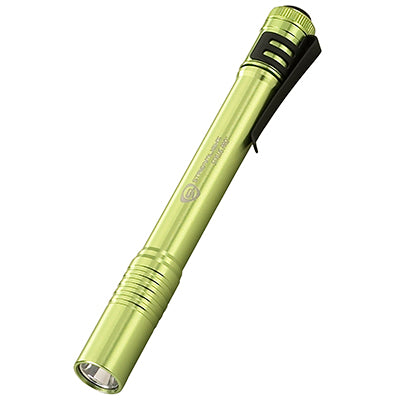
Streamlight - STYLUS PRO® Super Bright LED Penlight
Sale price $3195 Regular price $4537Unit price -
-
Up to 38% off
Streamlight - STINGER DS LED HL® FLASHLIGHT
Sale priceFrom $19295 Regular price $30811Unit price -










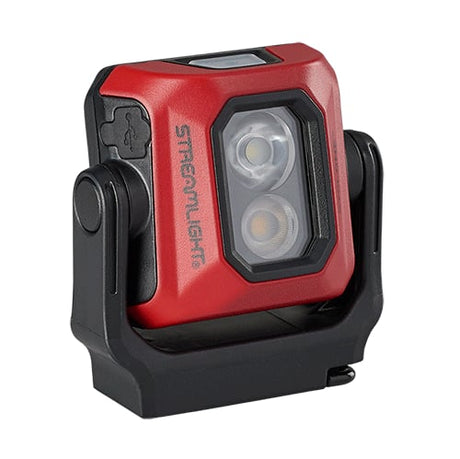
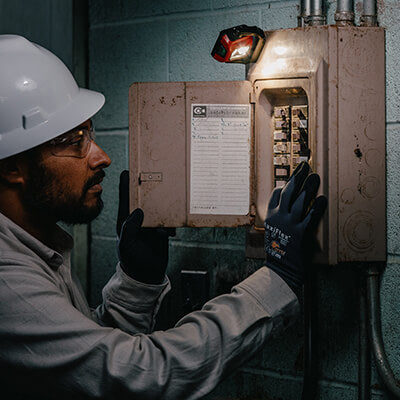


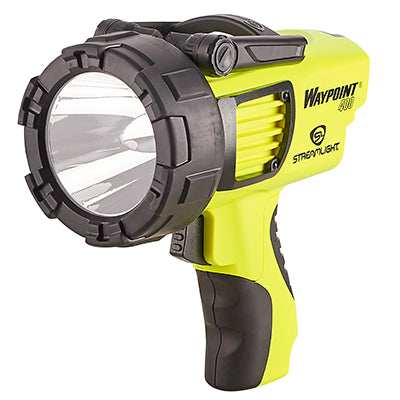
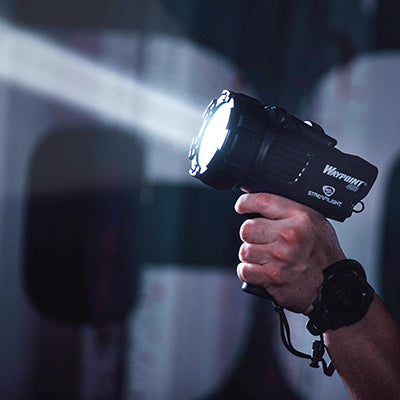





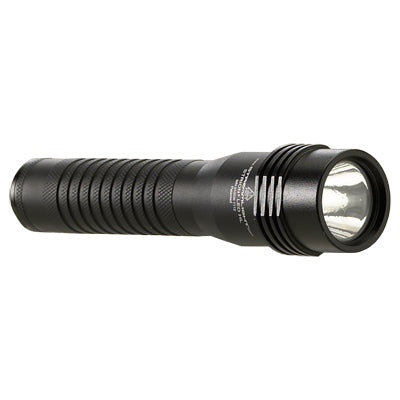


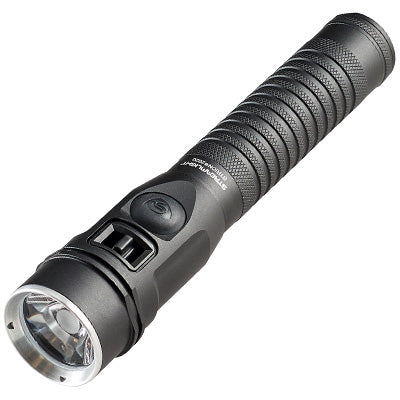
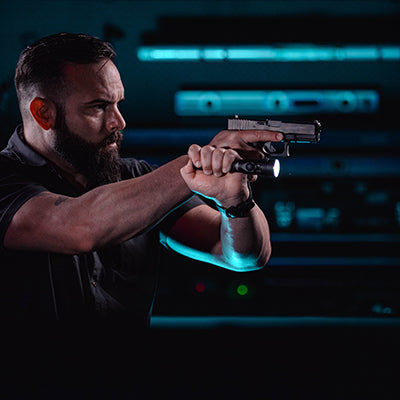


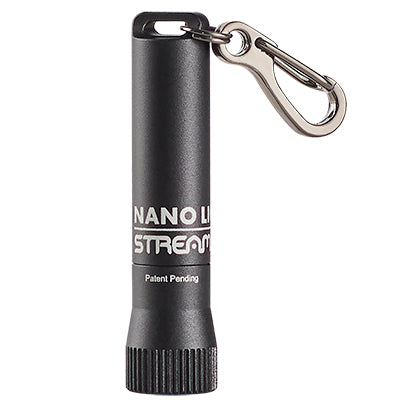













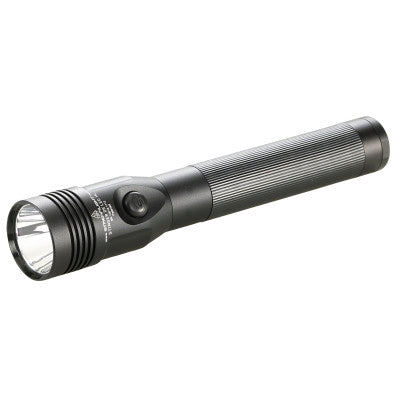
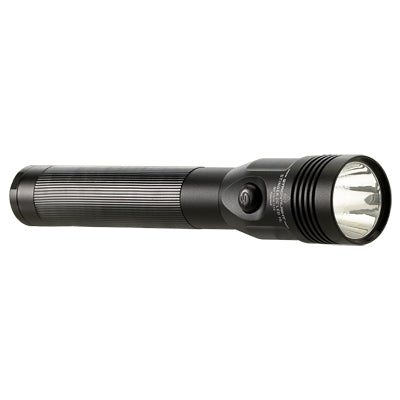


Streamlight Work Lights, Headlamps & Lanterns
View allStreamlight Batteries & Chargers
View all-
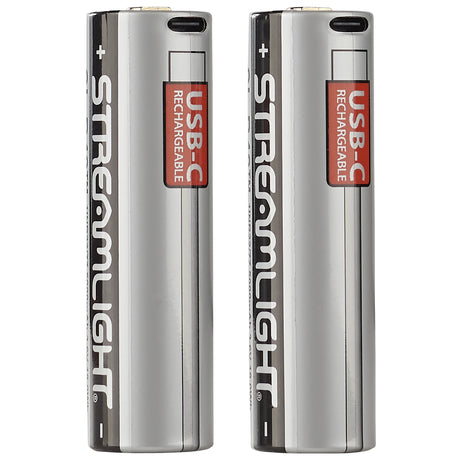 22% off
Streamlight - SL-B48 USB-C Rechargeable Battery (2-Pack)
Sale price $5449 Regular price $6956Unit price -
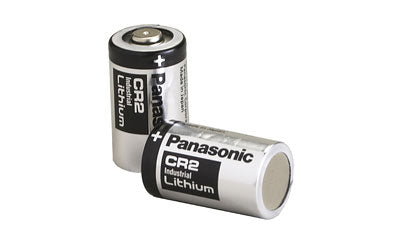 21% off
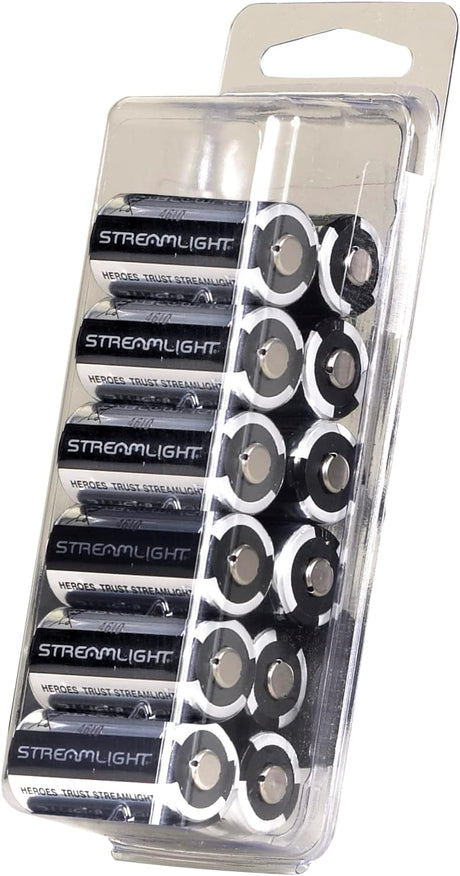
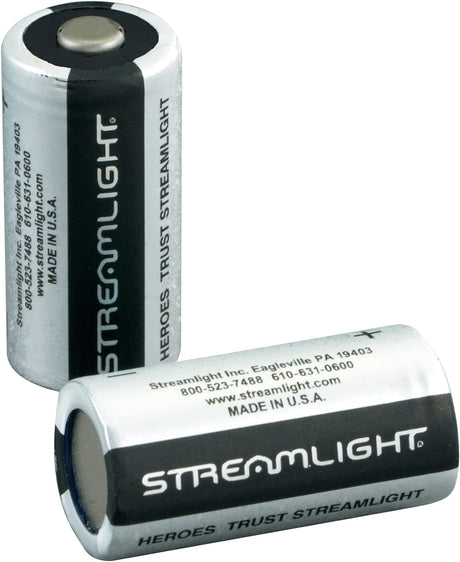
Streamlight - CR2 Replacement Batteries (2 Pack)
Sale price $1249 Regular price $1576Unit price -
30% off
Streamlight - Strion OEM Replacement Battery Stick
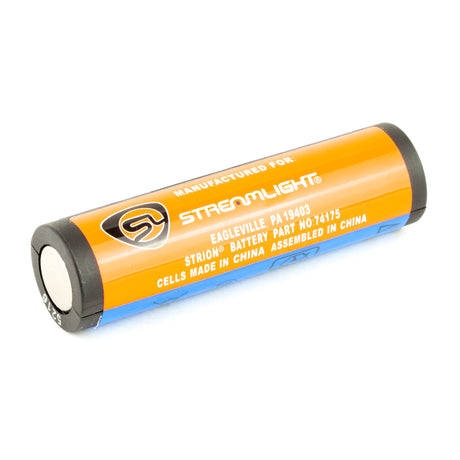
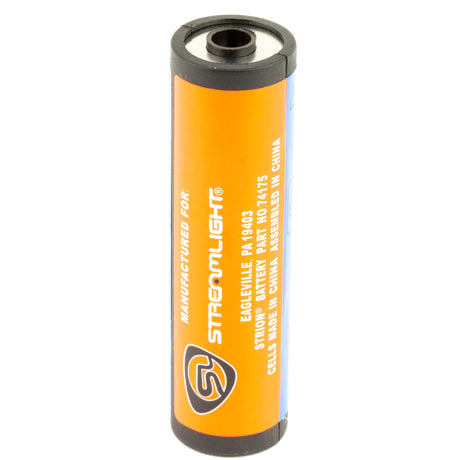
Sale price $3595 Regular price $5150Unit price -
-
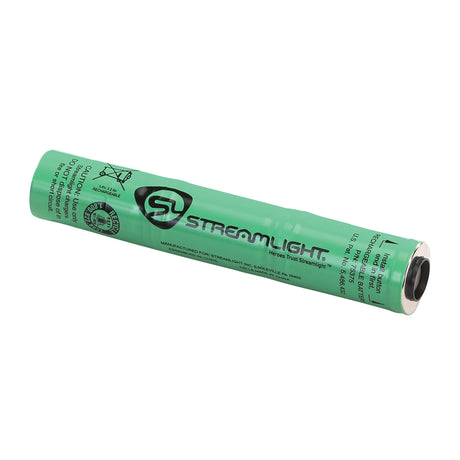 21% off
Streamlight - Stinger Replacement Battery Stick
Sale price $2595 Regular price $3291Unit price -
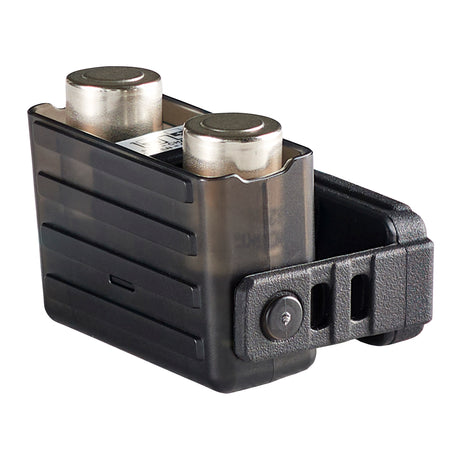 22% off
Streamlight - SL-B2 Battery Charger with 2 SL-B2 Batteries
Sale price $2895 Regular price $3696Unit price -
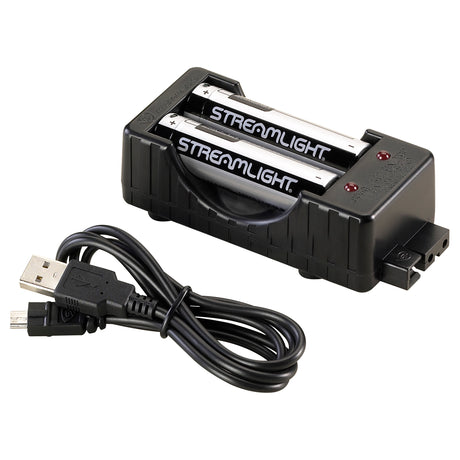 22% off
Streamlight - Rechargeable Charging Kit with 2 Batteries
Sale price $6195 Regular price $7928Unit price -
 28% off
Streamlight - SL-B2 Rechargeable Battery (2 Pack)
Sale price $1095 Regular price $1512Unit price -
 21% off
Streamlight - SL-B26 USB Rechargeable Battery (2-Pack)
Sale price $4149 Regular price $5285Unit price -
21% off
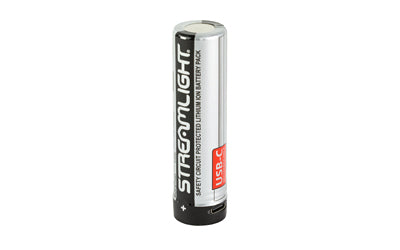
Streamlight - SL-B50 USB-C Rechargeable Battery (1-Pack)
Sale price $3749 Regular price $4760Unit price -
-
 22% off
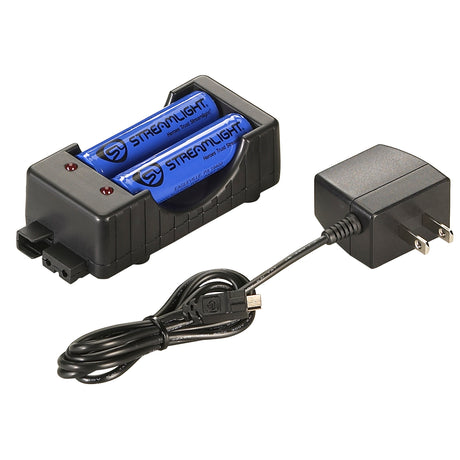
Streamlight - 18650 USB Rechargeable Batteries Kit
Sale price $7200 Regular price $9249Unit price -
12% off
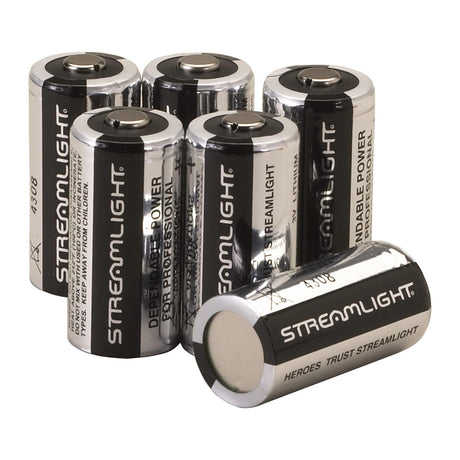
Streamlight - 85175 CR123A Lithium Batteries, 6-Pack
Sale price $1995 Regular price $2262Unit price -
-
13% off
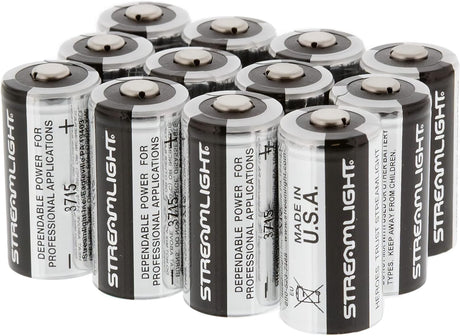
Streamlight - 85175 CR123A Lithium Batteries, 12-Pack
Sale price $3699 Regular price $4246Unit price -
-
12% off
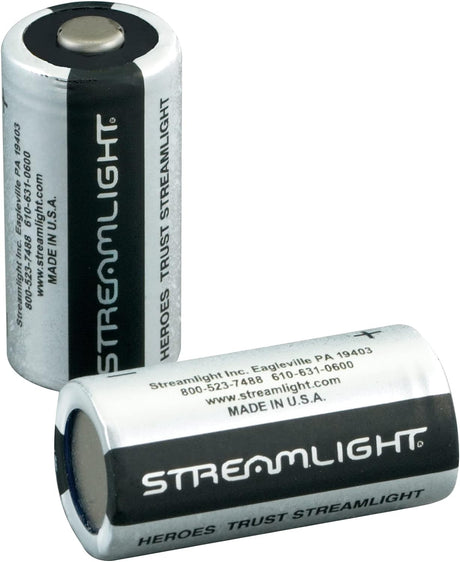
Streamlight - 85175 CR123A Lithium Batteries, 2-Pack
Sale price $749 Regular price $849Unit price -




- Up to 39% off
Streamlight - TLR-6® Subcompact Gun Light
Sale priceFrom $9999 Regular price $16523Unit price -
- Up to 30% off
Streamlight - TLR-7® X Multi-Fuel Tactical Weapon Light
Sale priceFrom $19949 Regular price $28410Unit price -
- Up to 39% off
Streamlight - Bandit USB Rechargeable LED Headlamp
Sale priceFrom $2895 Regular price $4717Unit price -
- Sold out29% off
Streamlight - ENDURO® PRO HEADLAMP
Sale price $2995 Regular price $4229Unit price -
- 30% off
Streamlight - TLR-9 Flex Weaponlight 1000 Lumens with Switch
Sale price $21195 Regular price $30202Unit price -
- 38% off
Streamlight - PolyTac 1X Flashlight, Yellow, 500 Lumens
Sale price $4999 Regular price $8000Unit price -
- 32% off
Streamlight - PolyTac 1X Flashlight, 500 Lumens, Black
Sale price $5449 Regular price $8000Unit price -
- 39% off
Streamlight - PolyTac 1X USB Flashlight 500 Lumens - Black
Sale price $5449 Regular price $8900Unit price -
- 39% off
Streamlight - PolyTac 1X USB Flashlight, 500 Lumens, Yellow
Sale price $5449 Regular price $8900Unit price -
- 36% off
Streamlight - SL-SideSaddle 300 Lumen Hat/Helmet Light
Sale price $3999 Regular price $6254Unit price -
- 38% off
Streamlight - SL-SideSaddle Hard Hat Light - Yellow
Sale price $4295 Regular price $6890Unit price -
- 37% off
Streamlight - TLR-1 HP Long Gun Kit 1000 Lumen Weaponlight
Sale price $25749 Regular price $41104Unit price -
- 36% off
Streamlight - SL-SideSaddle 300 Lumen Hat/Helmet Light - Yellow
Sale price $3999 Regular price $6254Unit price -
- 35% off
Streamlight - SL-SIDESADDLE USB Rechargeable Hat Light - Yellow
Sale price $6149 Regular price $9434Unit price -
- 35% off
Streamlight - SL-SIDESADDLE USB Rechargeable Hat Light - Black
Sale price $6149 Regular price $9434Unit price -
- 36% off
Streamlight - SL-SIDESADDLE USB Rechargeable Hat/Helmet Light
Sale price $6449 Regular price $10070Unit price -


Streamlight Tactical Lights & Weapon-Mounted Lighting FAQ
What is Streamlight and why are they the industry standard for tactical lighting?
What is Streamlight and why are they the industry standard for tactical lighting?
Streamlight is the leading manufacturer of professional-grade tactical lighting trusted by law enforcement agencies, military special operations, federal agencies, and first responders worldwide. Founded in 1973, Streamlight pioneered many tactical flashlight innovations and maintains reputation for exceptional durability, reliability under extreme conditions, and performance when lives depend on illumination. Streamlight's TLR (Tactical Light Rail) weapon light series represents the most widely adopted pistol and rifle lights in professional use—these aren't consumer accessories but duty-rated equipment engineered to survive recoil, weather, and operational abuse. Unlike budget tactical lights that fail after months, Streamlight products feature aluminum construction, impact-resistant lenses, waterproof sealing, and lifetime warranties (on many models) reflecting confidence in long-term durability. Law enforcement officers, military operators, and armed citizens choose Streamlight because equipment failure during defensive encounters means death—Streamlight's track record of reliability under actual combat and duty use eliminates that risk. For emergency preparedness and home defense, Streamlight represents proven performance rather than marketing claims.
How do I choose between the different TLR weapon light models (TLR-1, 2, 3, 4, 6, 7, 8, 9, 10)?
How do I choose between the different TLR weapon light models (TLR-1, 2, 3, 4, 6, 7, 8, 9, 10)?
Streamlight's TLR series addresses different firearm platforms, size requirements, and feature needs:
TLR-1 Series: Full-size weapon lights for duty pistols and long guns. TLR-1 HL delivers 1,000 lumens, TLR-1 HL-X provides 1,500 lumens with multi-fuel capability. Choose for full-size handguns (Glock 17/19, Sig P320, Beretta 92) and rifles/shotguns. Proven duty reliability.
TLR-2 Series: Combines TLR-1 lighting with integrated laser (red or green). TLR-2 HL offers 1,000 lumens plus laser aiming. Select when precise shot placement assistance matters—low-light shooting, longer distances, or users preferring laser aiming over iron sights.
TLR-3/TLR-4: Compact lights for subcompact pistols. TLR-3 provides light only; TLR-4 adds laser. Designed for smaller frames where TLR-1 would be too large/heavy. Ideal for concealed carry pistols maintaining pocketability.
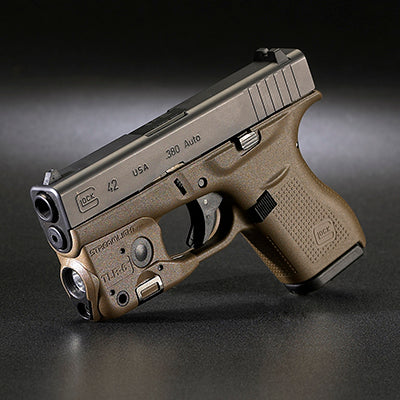
TLR-6: Ultra-compact light/laser combo custom-fit to specific subcompact models (Glock 42/43, Springfield Hellcat, S&W Shield). Minimal size increase for ultra-concealed carry. Model-specific—verify compatibility before purchase.
TLR-7 Series: High-lumen compact lights (500 lumens) with low-profile design. TLR-7 X offers multi-fuel capability; TLR-7 X SUB fits subcompact pistols. Balances brightness and compactness—excellent for concealed carry and duty use where TLR-1 bulk isn't needed.
TLR-8 Series: TLR-7 with integrated laser. Compact high-output light plus aiming laser in slim package.
TLR-9: Optimized for full-size pistols with enhanced beam pattern and 1,500 lumen output. Professional-grade illumination.
TLR-10: Advanced model with high output, integrated laser, and sophisticated controls for specialized applications.
Selection guide: Subcompact pistol → TLR-6 or TLR-7 X SUB; Compact/full-size duty pistol → TLR-7 or TLR-1; Need laser → add 2, 4, 6, or 8 variant; Rifle/shotgun → TLR-1, TLR RM series.
What lumen output do I actually need for a weapon-mounted light?
What lumen output do I actually need for a weapon-mounted light?
Lumen requirements depend on intended use and environment:
300-500 lumens: Adequate for close-quarters home defense (indoor distances under 25 yards), sufficient to identify threats in dark rooms and blind attackers adapted to darkness. TLR-6 (100 lumens), TLR-3 (170 lumens), and TLR-7 (500 lumens) provide this range. Appropriate for concealed carry and most civilian defensive scenarios.
800-1,000 lumens: Professional standard for duty use—TLR-1 HL (1,000 lumens) dominates law enforcement because it illuminates larger areas, penetrates shadows better, and works in varied environments from parking lots to building interiors. Provides decisive advantage in unknown threat scenarios requiring positive target identification beyond conversational distances.
1,500+ lumens: Maximum output for specialized applications—TLR-1 HL-X (1,500 lumens) and TLR-9 suit rural property defense, outdoor tactical use, and situations requiring illumination at extended distances. Overkill for typical home defense but valuable for acreage, vehicle defense, or professional applications.
Practical considerations: Higher lumens create more backscatter in fog, rain, or dust—sometimes 500 lumens performs better than 1,500 in adverse weather. Brighter lights drain batteries faster. For most users, 500-1,000 lumen range provides excellent balance. Don't confuse lumens with beam pattern—well-designed 500 lumen lights often illuminate targets better than poorly designed 1,000 lumen lights.
Should I choose a weapon light with an integrated laser or light-only models?
Should I choose a weapon light with an integrated laser or light-only models?
Laser vs. light-only decision depends on shooting style, training, and budget:
Integrated laser advantages: Provides aiming reference when proper sight alignment is difficult (awkward positions, shooting around cover, injured support hand preventing two-handed grip, rapid close-quarters engagements), enables accurate fire without bringing gun to eye level, assists shooters with vision impairments or aging eyes struggling with iron sight focus, and offers psychological deterrent—visible laser on threat's chest often ends confrontations without shots fired.
Laser disadvantages: Requires zeroing and periodic verification, adds cost ($100-300 more than light-only), creates another potential failure point, demands battery management for two systems, and can create over-reliance reducing iron sight proficiency. Green lasers cost more but provide superior daylight visibility compared to red.
Light-only advantages: Simpler system with fewer failure points, lower cost enabling investment in more ammunition for training, forces proper sight picture development building fundamental skills, and eliminates laser zeroing maintenance.
Professional perspective: Many law enforcement and military operators prefer light-only configurations, relying on iron sights or red dot optics for aiming. Lasers benefit less-trained users or specific scenarios (vehicle defense, awkward shooting positions). For serious defensive preparation, master iron sights first, then add lasers if desired—never use lasers as excuse to avoid developing proper shooting fundamentals.
Recommendation: New shooters → light-only, develop iron sight skills; Experienced shooters → laser if tactical advantages align with likely scenarios; Budget-conscious → light-only initially, add laser later if needed; Professional/duty use → light-only unless mission-specific requirements dictate lasers.
What battery types do Streamlight weapon lights use and how do runtimes compare?
What battery types do Streamlight weapon lights use and how do runtimes compare?
Streamlight employs various battery technologies affecting runtime, replacement cost, and long-term ownership:
CR123A lithium batteries (TLR-1, TLR-2, TLR-3, TLR-4): Industry-standard for weapon lights. Advantages include 10-year shelf life (critical for emergency preparedness), excellent cold-weather performance, lightweight, and stable voltage output. Most TLR models use two CR123A batteries providing 1.5-2.5 hour runtime depending on model. Disadvantages: single-use (disposable) and moderate cost ($2-4 per battery retail, less buying bulk).
Rechargeable lithium-ion (TLR-7 X, TLR-1 HL-X multi-fuel models): Streamlight's SL-B9 rechargeable battery provides USB charging convenience and long-term cost savings. Runtime comparable to CR123A (1-2 hours high output). Advantages: reusable hundreds of times, cost-effective for frequent training, USB charging enables solar panel/power bank recharging during grid-down scenarios. Disadvantages: self-discharge over months (not ideal for decade-long emergency cache storage without periodic recharging), initial higher cost, battery degradation after 2-5 years.
AAAA batteries (TLR-6): Commonly available, inexpensive, but shorter runtime (30-60 minutes) due to smaller battery size necessitated by ultra-compact design.
Multi-fuel capability: Some Streamlight models (TLR-7 X, TLR-1 HL-X) accept both CR123A disposables and rechargeable lithium-ion, providing flexibility—use rechargeable for training/daily carry, keep CR123A spares for emergencies or when recharging isn't possible.
Emergency preparedness strategy: Stock CR123A batteries in long-term cache storage (10-year shelf life), use rechargeable for regular training and carry (cost savings), and maintain both battery types ensuring operational capability regardless of circumstances.
Are Streamlight weapon lights truly waterproof and impact-resistant?
Are Streamlight weapon lights truly waterproof and impact-resistant?
Streamlight weapon lights undergo rigorous testing exceeding most manufacturers:
Waterproof ratings: IPX7 and IPX8 ratings (model-dependent) mean submersion resistance to 1-3 meters for 30 minutes. Streamlight weapon lights function after complete immersion—critical for maritime operations, rain exposure, or dropping lights in water. O-ring seals prevent moisture entry protecting electronics and batteries. Not decorative marketing—law enforcement and military use these lights in hurricane response, maritime interdiction, and swamp operations where water exposure is routine.
Impact resistance: Tested to survive repeated drops from 1-2 meters onto concrete while mounted on firearms. Streamlight lights endure thousands of rounds of firearm recoil without bulb failure, mount loosening, or electronic damage. Aluminum construction (aircraft-grade in premium models) provides structural integrity absorbing impacts that would shatter polymer housings.
Temperature range: Function from -40°F to 120°F+ covering extreme environments from Arctic operations to desert heat.
Real-world durability: Law enforcement duty weapons regularly experience vehicle accidents, physical confrontations dropping firearms, weather exposure, and years of daily carry. Streamlight's warranty replacement rates remain exceptionally low because lights survive these conditions. For emergency preparedness, this durability means lights cached for years activate reliably when needed rather than failing from storage corrosion or component degradation.
Maintenance: Despite robust construction, periodic maintenance extends life—remove/clean O-rings annually applying silicone grease, verify mounting tightness, test activation switches, and replace batteries before expiration preventing leakage damage.
How do I properly mount and zero a Streamlight weapon light?
How do I properly mount and zero a Streamlight weapon light?
Proper mounting ensures reliability and maintains weapon accuracy:
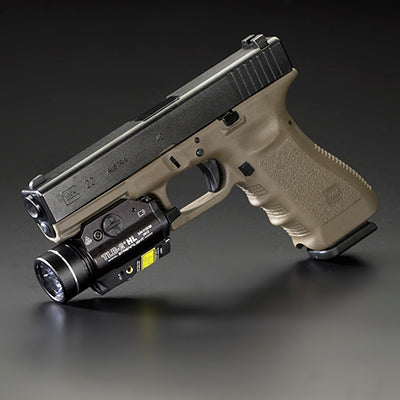
Mounting procedure: Clean firearm rail removing debris and oil that could prevent secure attachment. Slide Streamlight light onto rail from rear (or side depending on model), ensure rail key engages properly (TLR lights include rail keys for different rail systems—use correct key for your firearm), tighten clamping mechanism firmly—light should not move when hand pressure is applied, and verify light doesn't interfere with slide operation, magazine insertion/removal, or holster fit.
Activation switch orientation: Most Streamlight lights feature ambidextrous switches—position paddles for comfortable activation with support hand thumb or trigger finger depending on shooting technique. Test activation from drawstroke ensuring switches engage reliably under speed.
Holster considerations: Weapon lights change firearm dimensions requiring compatible holsters. Many holster manufacturers produce light-specific models (e.g., "Glock 19 with TLR-7"). Verify holster/light compatibility before purchase—improper fit compromises retention and draw speed.
Integrated laser zeroing (TLR-2, TLR-4, TLR-8 models): Use provided tools to adjust windage (left/right) and elevation (up/down) screws. Zero at intended defensive distance—most users zero at 7-10 yards for home defense. Fire group from bench rest, adjust laser to point of impact, verify zero with follow-up group. Re-verify zero every 3-6 months as vibration/recoil can shift adjustment. Green lasers require more frequent zeroing verification than red.
Co-witnessing with optics: If using red dot sights, verify weapon light doesn't create excessive glare reflecting into optic. Some lights/optic combinations create bloom obscuring red dot—test before relying on setup.
Can Streamlight weapon lights be used on rifles and shotguns or just pistols?
Can Streamlight weapon lights be used on rifles and shotguns or just pistols?
Streamlight manufactures lights specifically designed for long guns:
TLR RM (Rail Mount) series: Purpose-built rifle/shotgun lights—TLR RM 1 (500 lumens), TLR RM 2 (1,000 lumens), with laser variants available. Feature remote switches enabling activation without breaking grip, higher lumen outputs for extended distances, and mount systems compatible with Picatinny/M-LOK rails. Designed for AR-15, AK, shotgun, and patrol rifle applications.
Pistol lights on long guns: TLR-1 series works on long gun rails and some users mount them on home defense shotguns or truck guns. Advantages include existing familiarity if same light is on pistol, and proven reliability. Disadvantages: switch location less convenient on rifles (no remote pressure switch on standard TLR-1), and lower mounting position compared to dedicated rifle lights.
Professional recommendations: For serious defensive long guns, use TLR RM series with remote switches—enables activation while maintaining firing grip rather than breaking hand position to press light switch. For budget-conscious users or casual use, TLR-1 on shotgun provides adequate capability. For HD rifles and truck guns where weapon remains staged rather than carried, dedicated rifle lights with pressure switches prove superior.
Light mounting position: Long gun lights typically mount at 12 o'clock (top rail), 3 o'clock, or 9 o'clock positions. Experiment to find position avoiding shadows cast by muzzle devices/sights and providing comfortable switch access. Offset mounting (3/9 o'clock) often works best preventing barrel shadow.
How long will Streamlight weapon lights last and what is their warranty coverage?
How long will Streamlight weapon lights last and what is their warranty coverage?
Streamlight durability and support:
LED lifespan: Modern Streamlight LEDs are rated 50,000+ hours—essentially lifetime for any realistic use. You'll replace the light for obsolescence (newer technology) before LED failure. Unlike incandescent bulbs requiring replacement, LEDs maintain output throughout lifespan without dimming or burning out.
Warranty coverage: Streamlight offers limited lifetime warranty on many weapon light models covering defects in materials and workmanship. This excludes batteries, abuse, and normal wear but covers manufacturing defects, premature component failure, and functionality issues. Streamlight's reputation for honoring warranties is excellent—they repair or replace defective lights relatively quickly.
Expected service life: With proper care, Streamlight weapon lights commonly serve 10-15+ years of regular use. Law enforcement agencies report TLR-1 lights surviving entire officer careers (20+ years) on duty weapons. Factors affecting longevity include cleaning/maintenance frequency, exposure to extreme abuse, and quality of batteries used (leaking batteries damage electronics).
Replacement parts availability: Streamlight stocks replacement lenses, batteries, mounting hardware, and switches enabling repair rather than replacement for minor damage.
When to replace: Replace lights showing cracks in housing, damaged lenses, unreliable activation, significantly dimmed output, or corroded battery contacts. For emergency preparedness, maintain primary and backup lights—don't wait for failure to acquire replacement.
Long-term value: Despite higher initial cost compared to budget lights, Streamlight's durability and warranty provide superior long-term value—buying one TLR-1 serving 15 years costs less than replacing three $50 budget lights failing after 2-3 years each.
What Streamlight products are essential for comprehensive emergency preparedness lighting?
What Streamlight products are essential for comprehensive emergency preparedness lighting?
Streamlight preparedness lighting strategy should layer capabilities:
Weapon-mounted lights: TLR series on defensive firearms providing hands-free illumination during threats—frees hands for manipulating weapons, opening doors, or controlling family members during emergencies.
Handheld tactical flashlights: ProTac series (ProTac 2L-X, ProTac HL-X) for general purpose illumination, searching areas, signaling, and tasks where weapon-mounted lights aren't appropriate. Higher lumen outputs (1,000+) and longer throw than weapon lights suit area searching and outdoor use.
Headlamps: Streamlight headlamps (Sidewinder Compact II, Vantage series) enable hands-free work during power outages—repairs, medical treatment, cooking, or equipment setup. Red/IR light modes preserve night vision. Essential for extended grid-down scenarios requiring nighttime activity.
Area lighting/lanterns: Streamlight Siege lanterns provide 360-degree illumination for camps, rooms, or outdoor areas during extended power outages. D-cell batteries provide multi-day runtime.
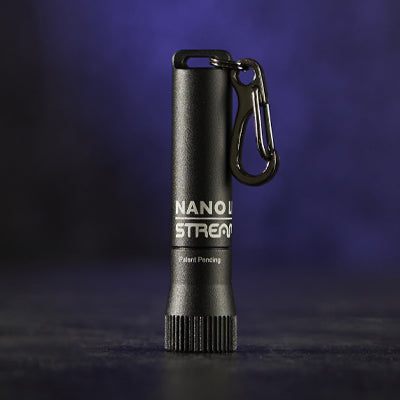
Backup lights: Keychain lights (Streamlight Nano) provide always-available emergency lighting fitting on keychains ensuring you're never without light source.
Battery strategy: Stock batteries for all light types—CR123A for weapon lights, 18650 rechargeable for tactical handhelds, AA/AAA for headlamps/lanterns. Solar chargers enable recharging capabilities during grid failures.
Comprehensive kit: Each family member should have personal headlamp/flashlight, vehicles contain tactical handheld and backup batteries, weapon-mounted lights on defensive firearms, and area lights cached with emergency supplies. Redundancy across light types and battery platforms ensures illumination capability regardless of which lights fail or batteries deplete.
How should I maintain Streamlight lights for maximum reliability?
How should I maintain Streamlight lights for maximum reliability?
Streamlight maintenance ensures operational readiness:
Monthly checks: Activate lights verifying full brightness and switch function, inspect lenses for cracks or damage, examine O-rings for tears or degradation, check mounting hardware tightness on weapon lights, and test battery charge levels (rechargeable models).
Quarterly maintenance: Remove batteries inspecting for corrosion or leakage, clean battery contacts with electronics cleaner removing oxidation, remove/clean O-rings applying thin coat of silicone grease, clean lenses with lens tissue and appropriate cleaner, verify weapon light zero (laser models), and test lights under actual darkness confirming adequate output.
Annual maintenance: Replace disposable batteries even if unused (CR123A lithium lasts 10 years but replacing annually in critical weapon lights eliminates age-related failure risk), replace O-rings showing compression marks or cracking, deep clean all lights disassembling (if possible) and cleaning internal components, inspect for structural damage or component wear, and update inventory replenishing consumed batteries/parts.
Cleaning procedure: Use soft cloth with mild soap/water for external cleaning, compressed air for removing debris from switches/rails, electronics cleaner for contacts, and lens cleaner for optics. Avoid harsh solvents damaging anodizing or plastics.
Storage: Store lights in climate-controlled environments avoiding extreme heat/cold/humidity, remove batteries from lights in long-term storage (prevents corrosion from leaking batteries), keep lights in cases or protective storage preventing impact damage, and rotate cached lights into service periodically testing function.
Training usage: Run lights during training sessions verifying operation, practice activation under stress, confirm holster compatibility with weapon lights, and practice low-light shooting techniques—equipment only works if you're trained to use it.