

LifeStraw — We Make Contaminated Water Safe to Drink

Shop By Category
Shop All Products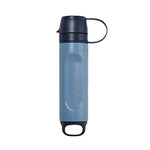

Straw Filters — Help Me Choose
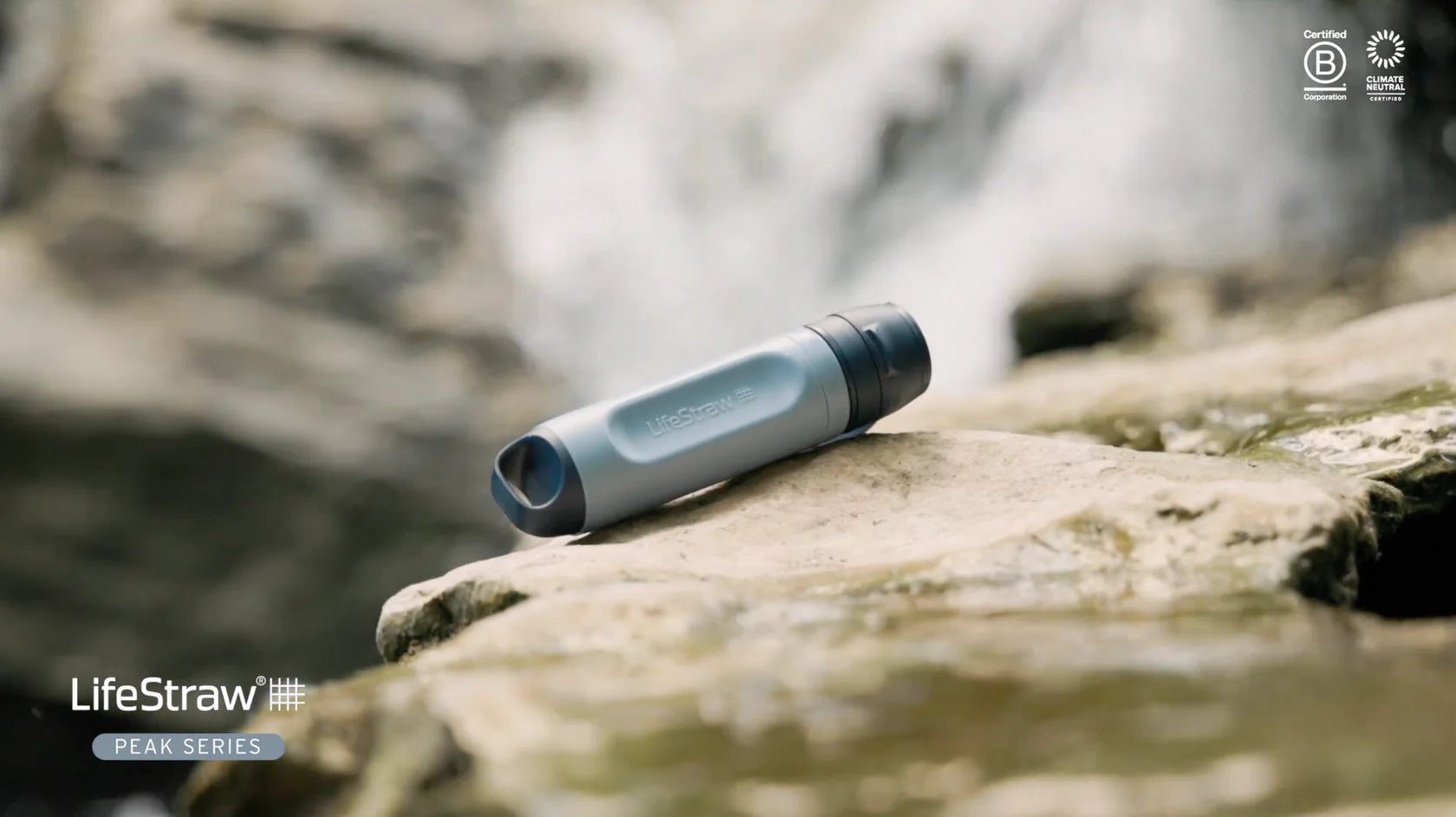
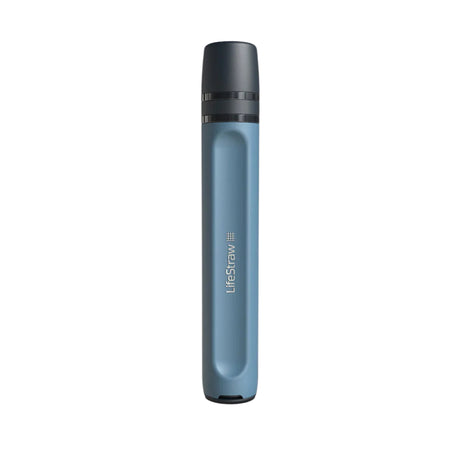
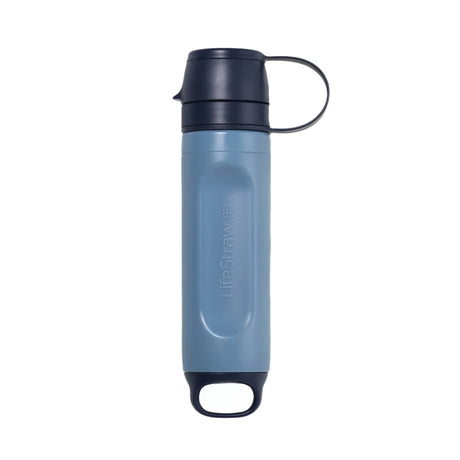
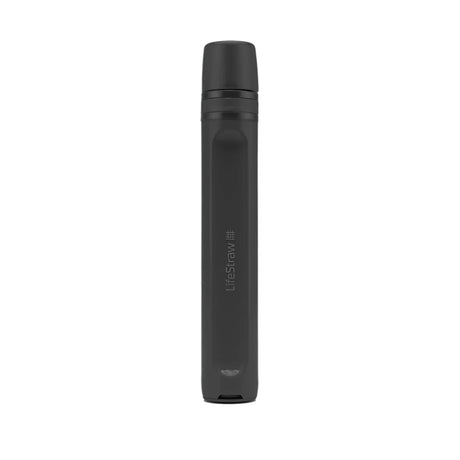
The Peak Series Straw is a simple, ultra-light personal water filter for direct drinking from water sources, while the Peak Series Solo offers the same advanced filtration with added versatility, including compatibility with standard water bottles for on-the-go hydration.
| Facet | |||
|---|---|---|---|
| Price | |||
| Price |
Regular price
$3495
Unit price
|
Regular price
$2495
Unit price
|
Regular price
$2995
Unit price
|
| Quick Compare | |||
| Quick Compare | |||


-
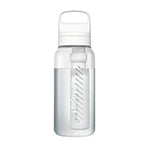
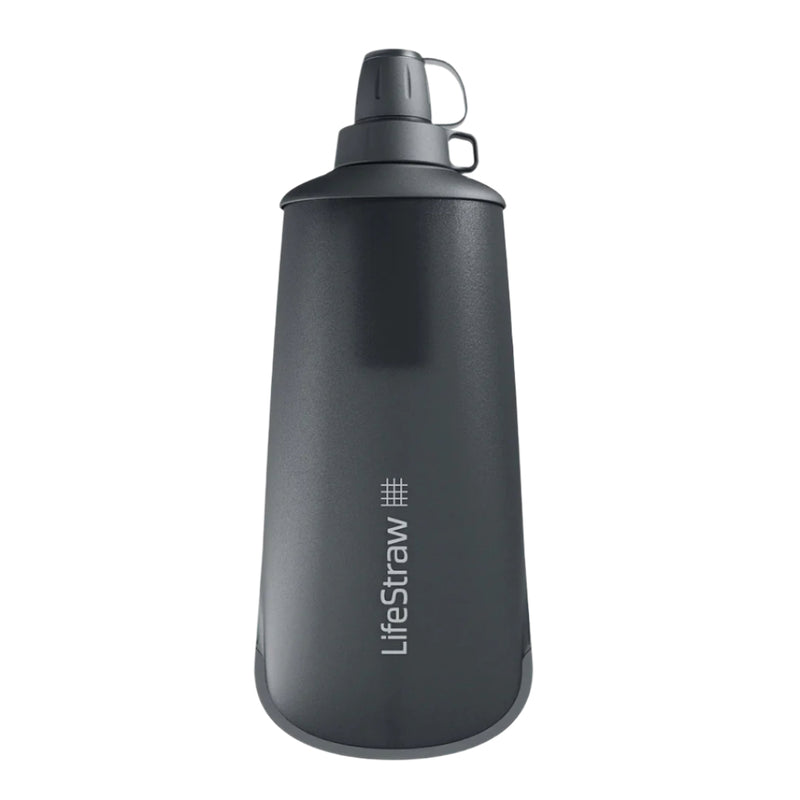
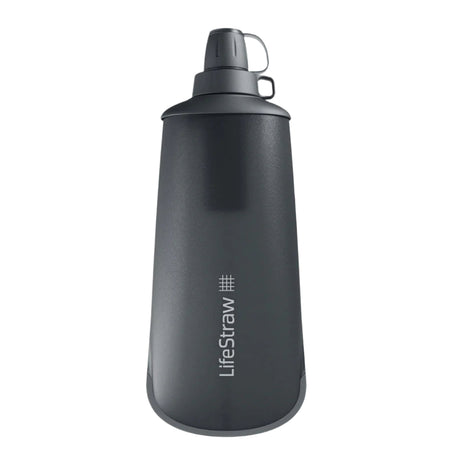
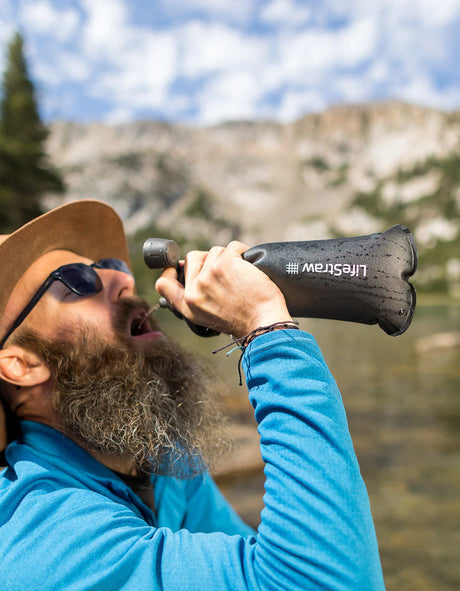
LifeStraw - Peak Series 650 ml Collapsible Filter Bottle
Regular price $3795Unit price -
-
LifeStraw - Peak Series Collapsible 1L Bottle Filter
Regular price $4395Unit price -
-
Regular priceFrom $4495Unit price
-
-
Regular priceFrom $4995Unit price
-
-
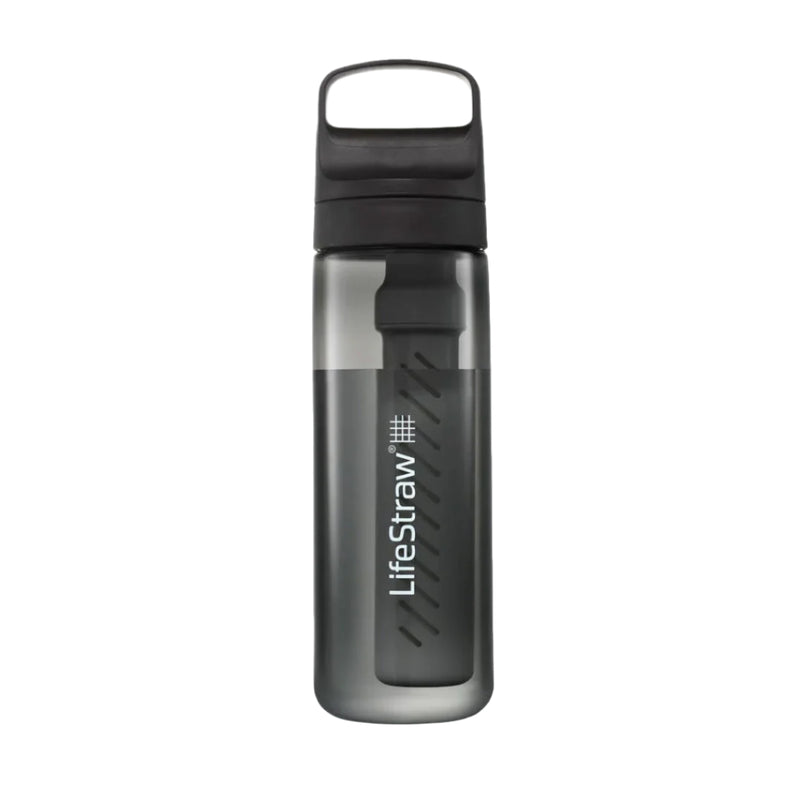
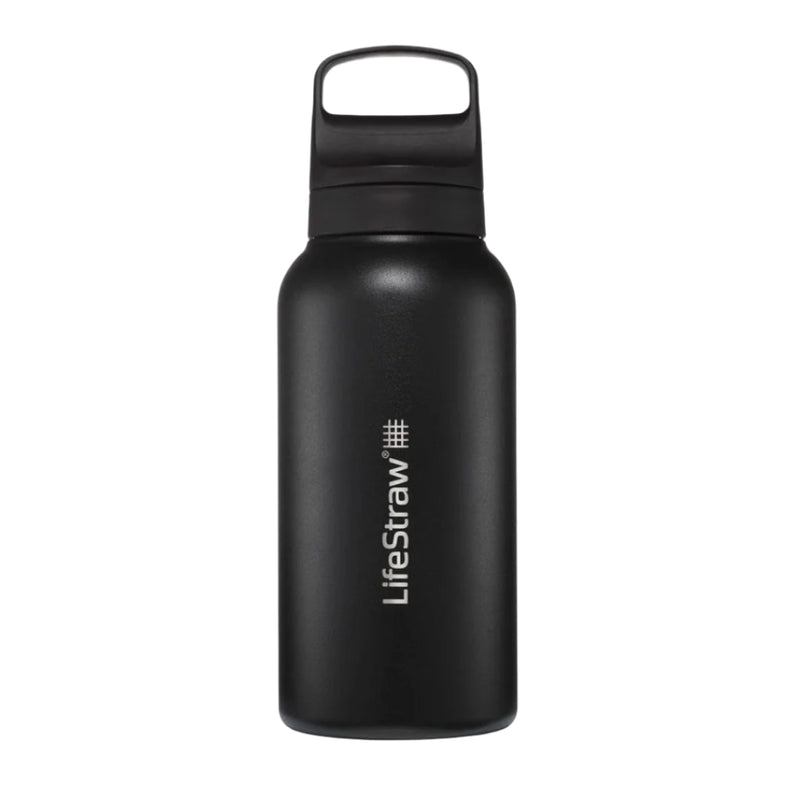
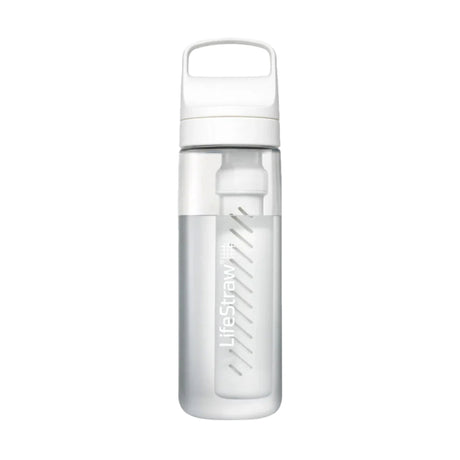
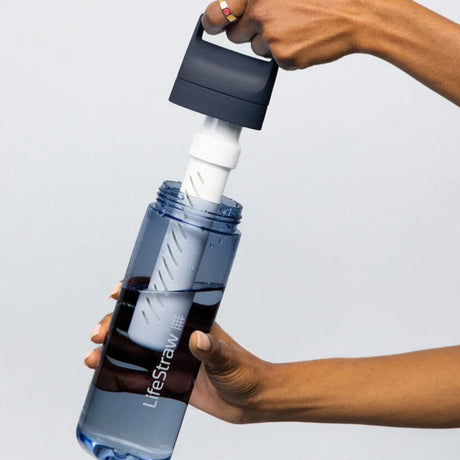
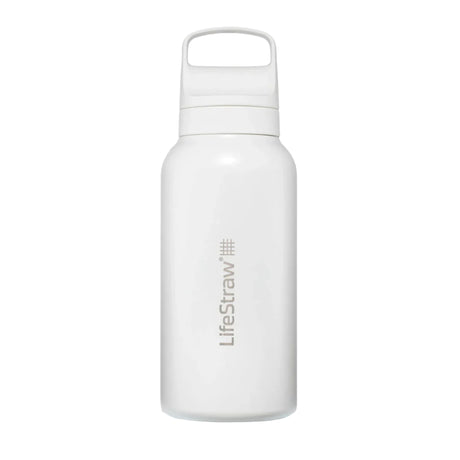
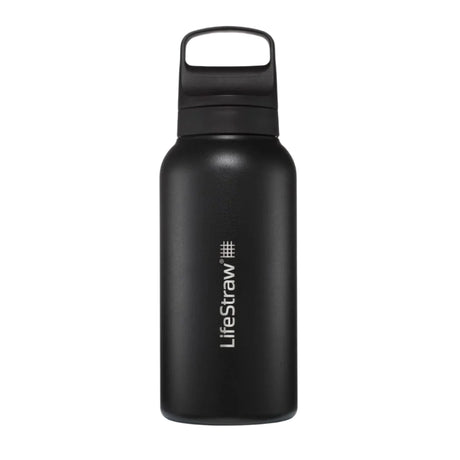
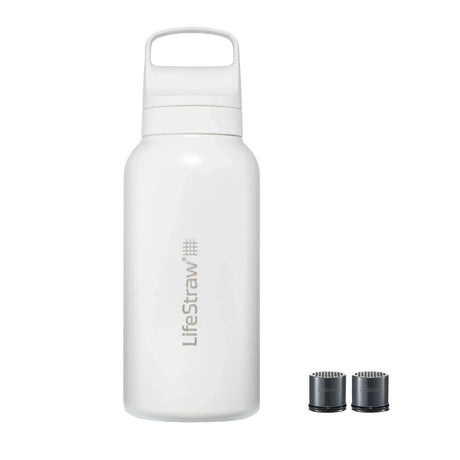
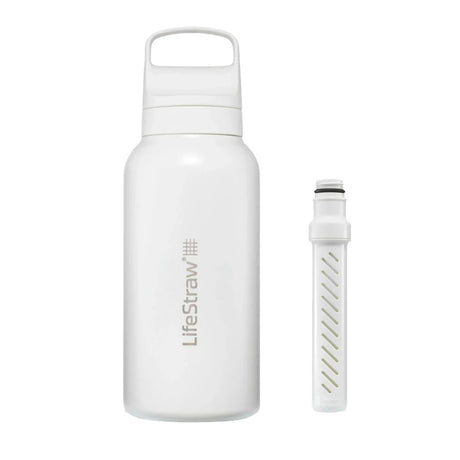
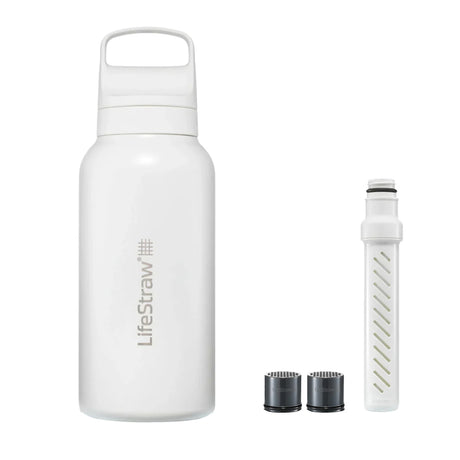
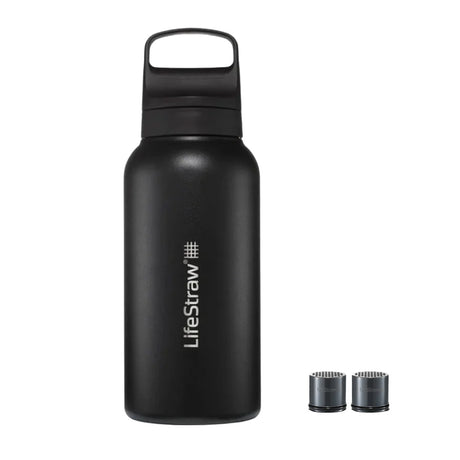
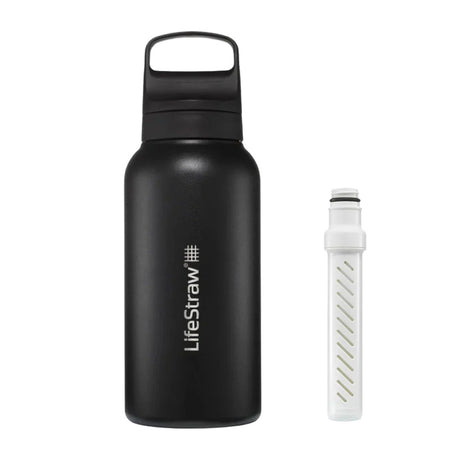
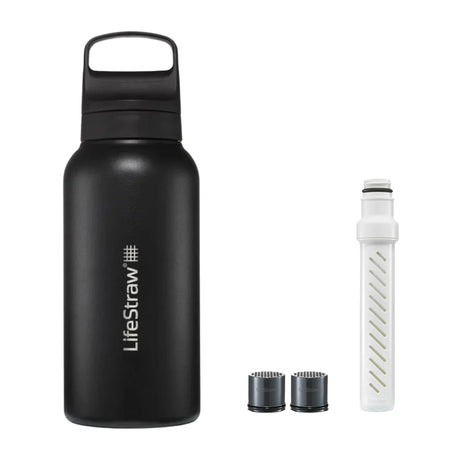
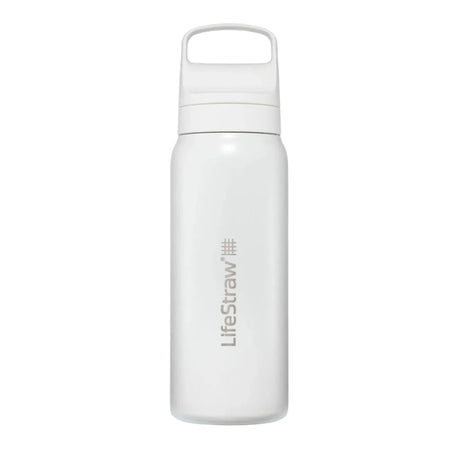
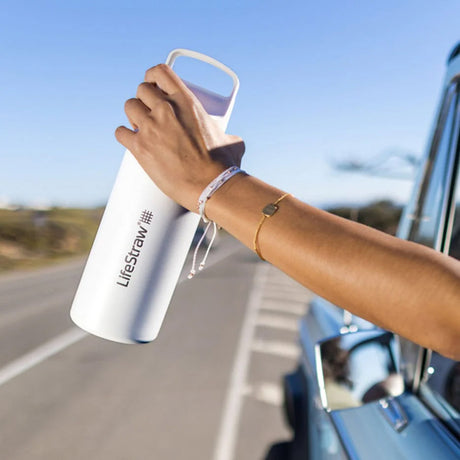
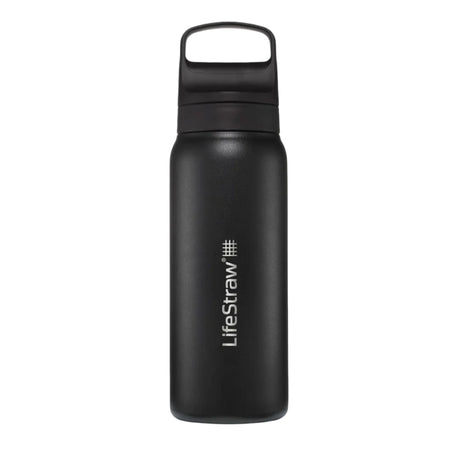
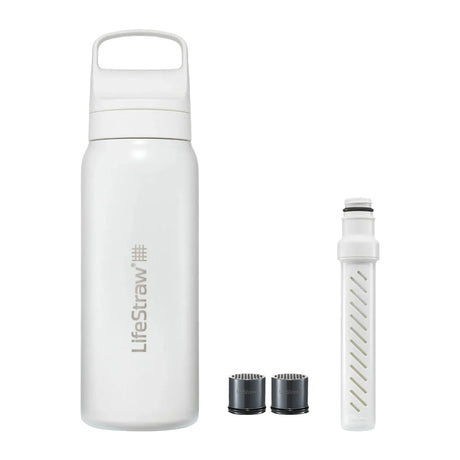
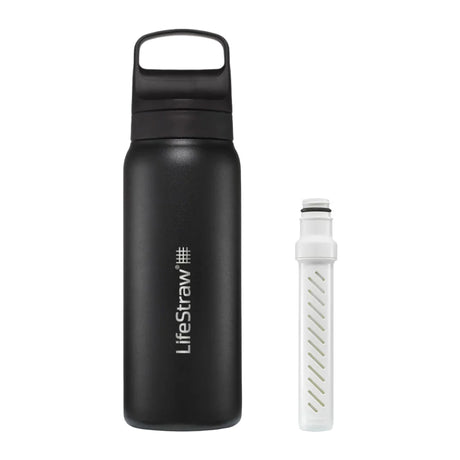
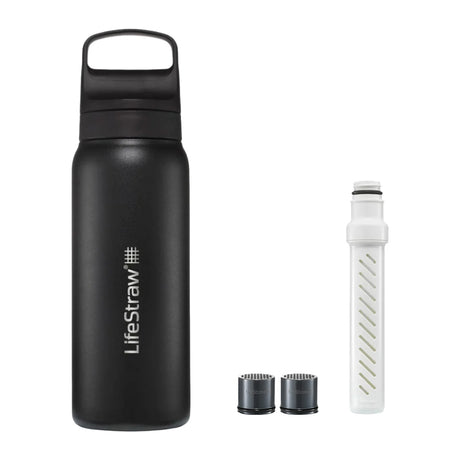
LifeStraw - Go Series Stainless Steel 1L
Regular priceFrom $6495Unit price -
-
LifeStraw - Go Series Stainless Steel 24 oz
Regular priceFrom $5995Unit price -
-
LifeStraw - Go Series Glass 20oz Water Filter Bottle
Regular price $5995Unit price -
-
LifeStraw - Go Series Stainless Steel Tumbler with Handle 24oz
Regular price $5995Unit price -
-
LifeStraw - Go Series Water Filter Tumbler 18oz
Regular price $4995Unit price -
-
LifeStraw - Go Series Stainless Steel Water Bottle 18oz
Regular price $4995Unit price -




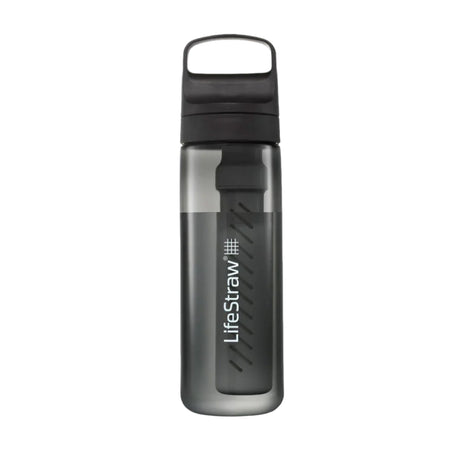


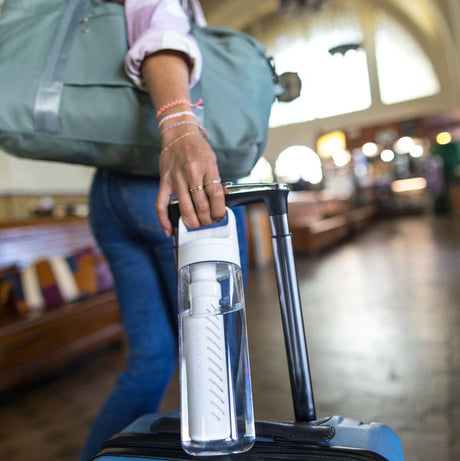
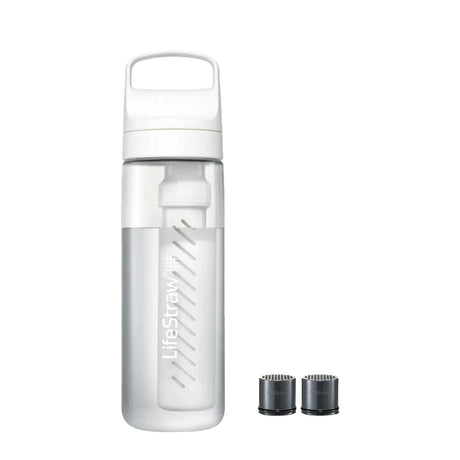
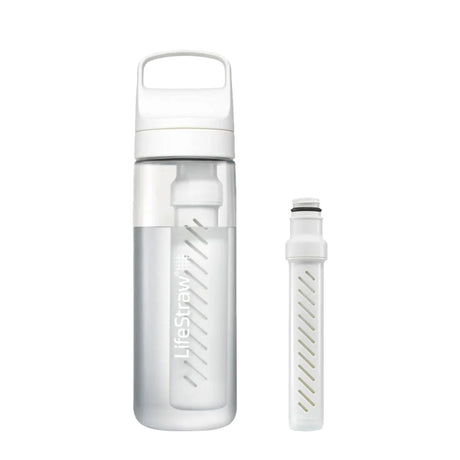
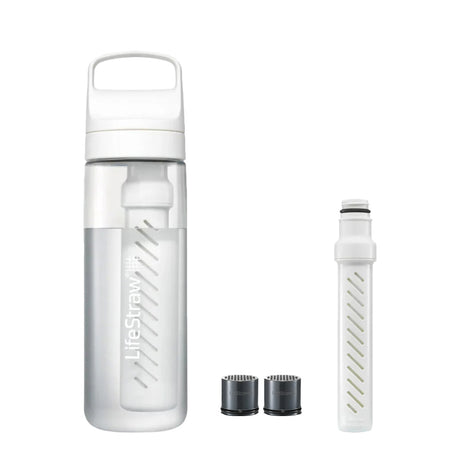
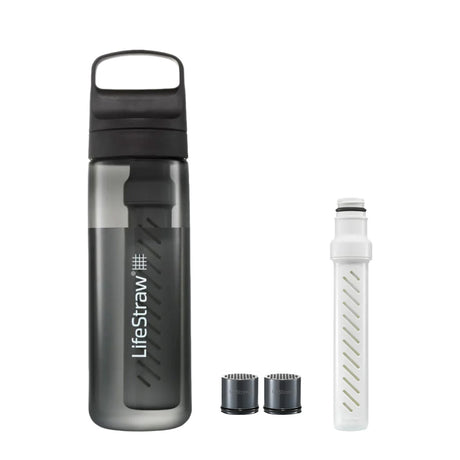


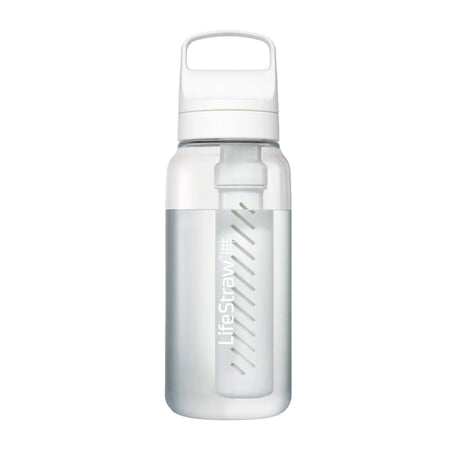
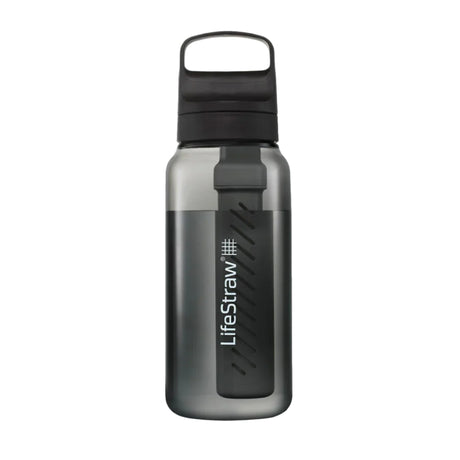

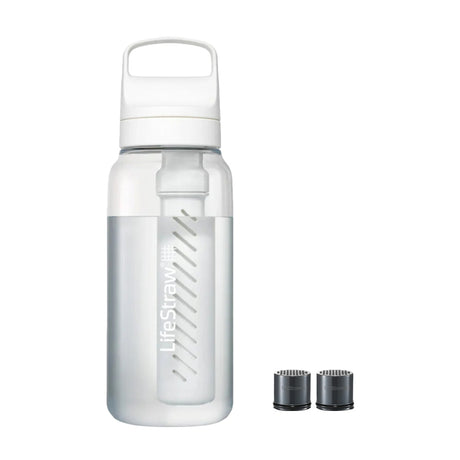
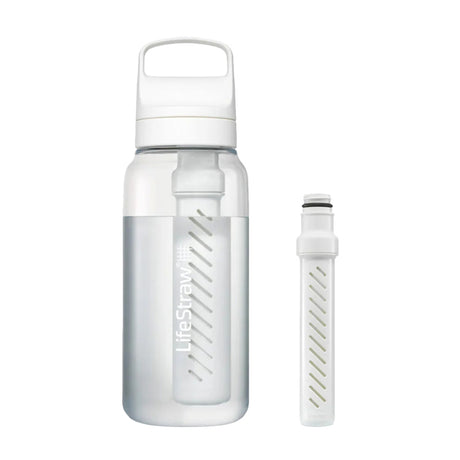
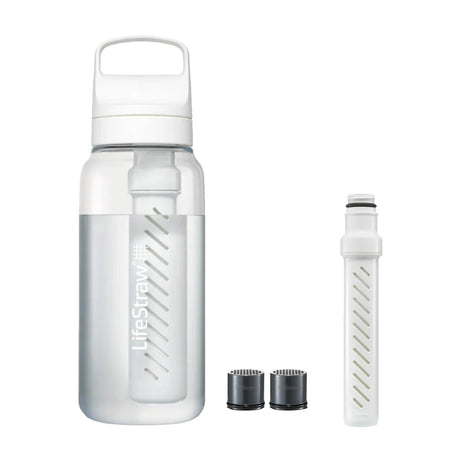
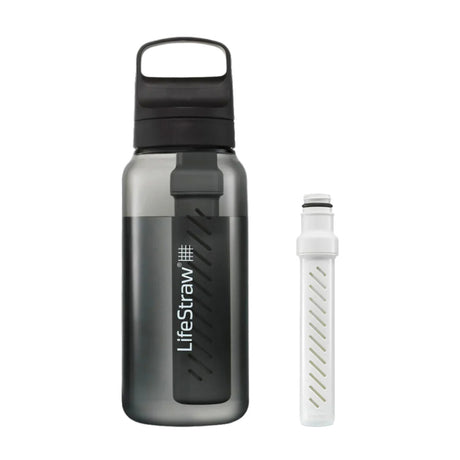
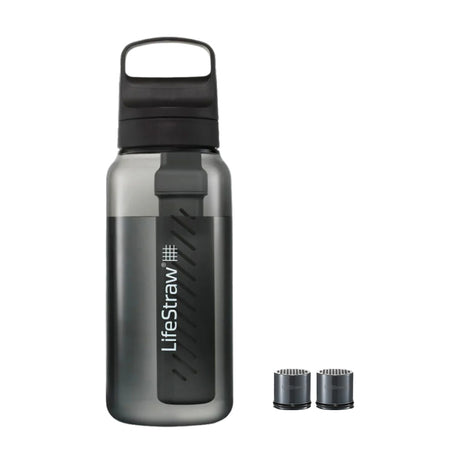
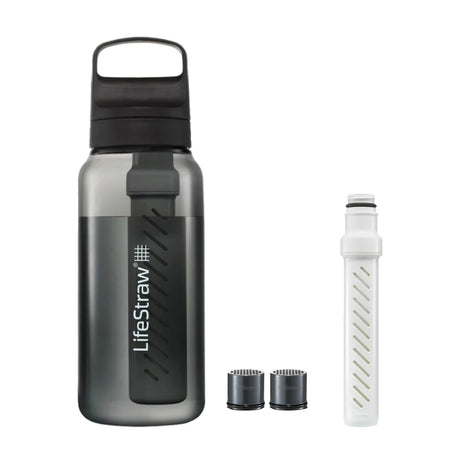








Pure Water, Anywhere – Gravity-Powered Filtration
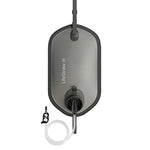
Stay hydrated wherever you go with the LifeStraw Peak Series Gravity Filter System – 3L. This compact and rugged water filtration system removes bacteria, parasites, and microplastics while doubling as a leak-proof storage solution. Whether you're camping, hiking, or preparing for emergencies, its high-capacity filter and versatile design make it an essential companion. Just fill, hang, and drink—pure water, made simple.
Ultra-light, durable, and leak-proof—effortless clean water for any adventure.
-
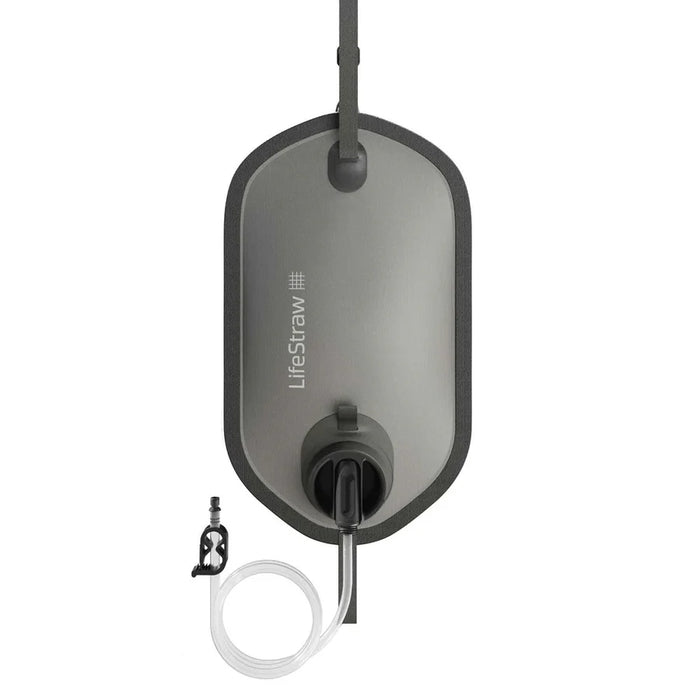
Peak Series Gravity Filter System – 8L
High-capacity, ultradurable gravity filtration for clean water anywhere.
-
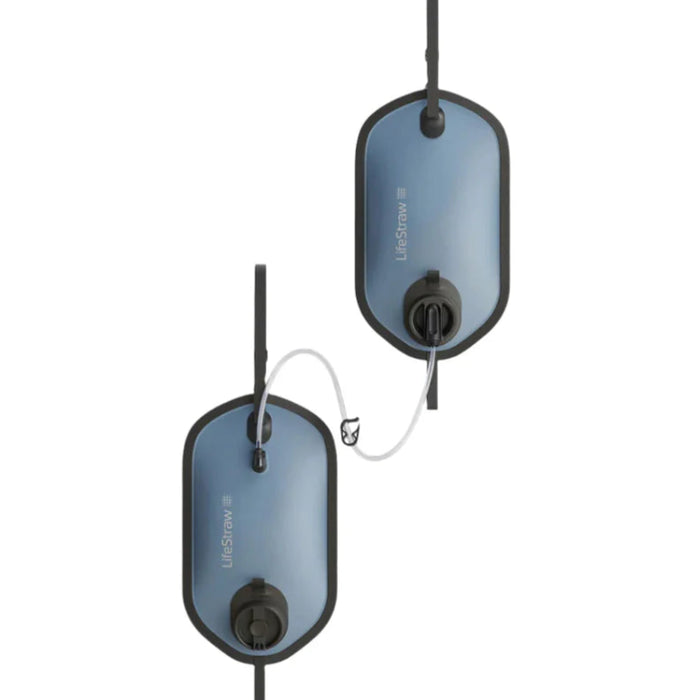
Gravity Water Filter System with Safe Water Storage - 8L + 8L
Seamless gravity filtration with dedicated safe water storage for added convenience.

-

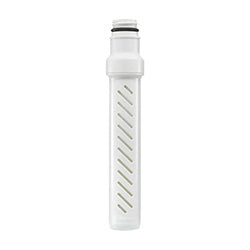
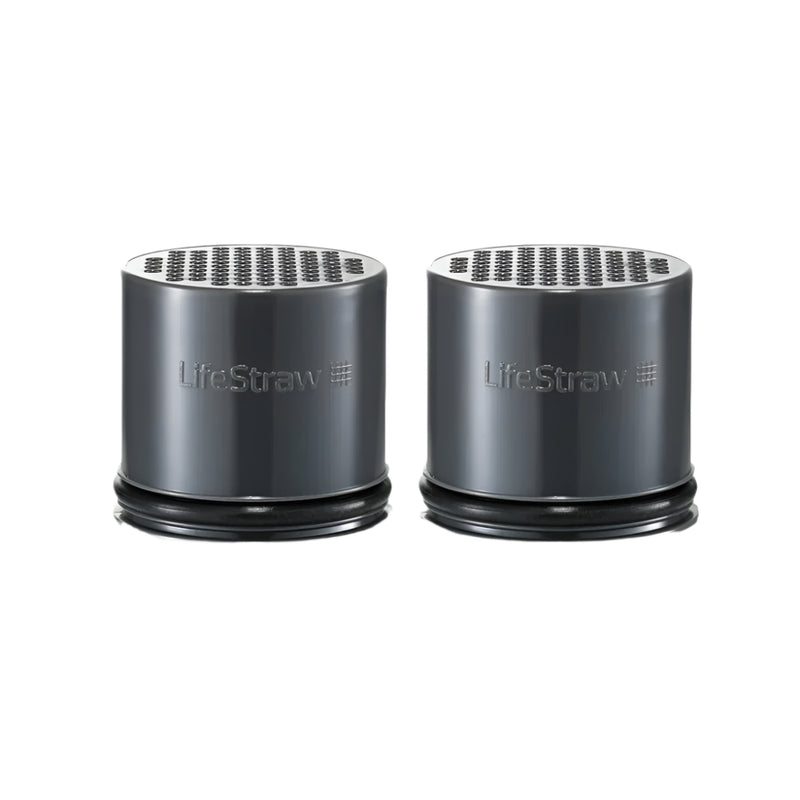
LifeStraw - Carbon Ion Exchange Filter Cartridge Replacement
Regular price $1250Unit price -
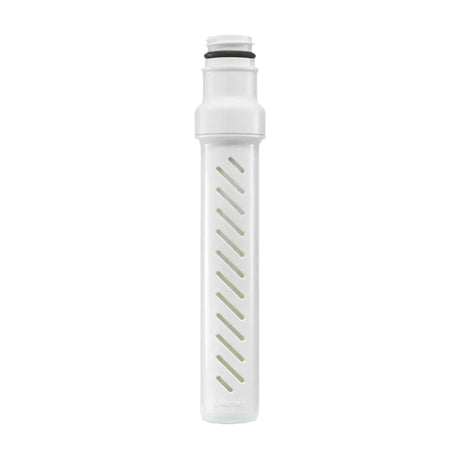
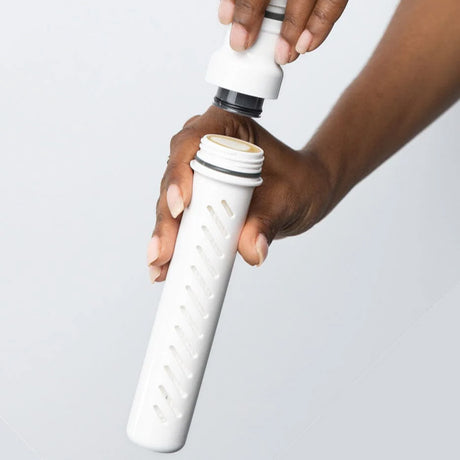
LifeStraw - Peak Series Membrane Replacement Filter
Regular price $1995Unit price -
-
LifeStraw - Peak Series Personal Water Filter Straw Carry Case
Regular price $995Unit price -
-
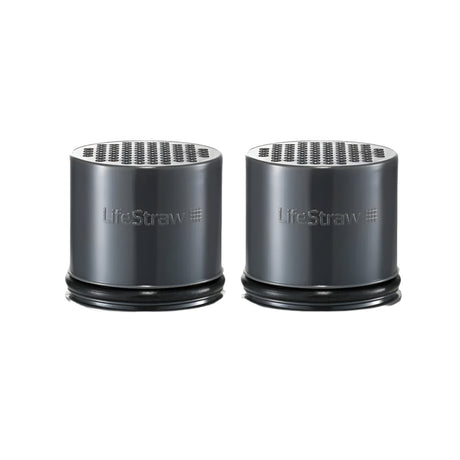
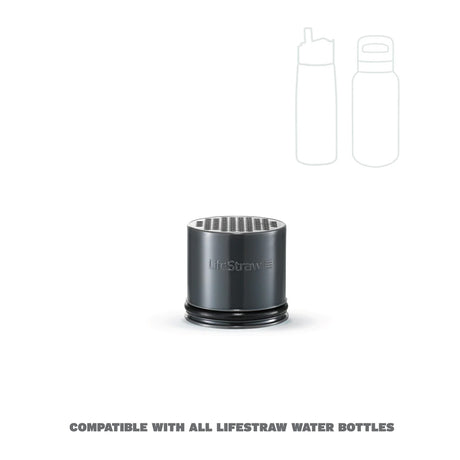
LifeStraw - Peak Series Activated Carbon & Ion Exchange Filter
Regular price $1495Unit price -
-
LifeStraw - Peak Series Solo Carry Case
Regular price $995Unit price -
-
LifeStraw - Go Carbon Filter Replacement
Regular price $995Unit price -
-
LifeStraw - Go Series Replacement Membrane Microfilter
Regular price $2495Unit price -

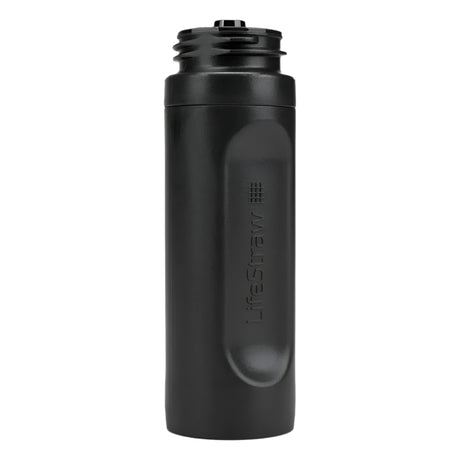





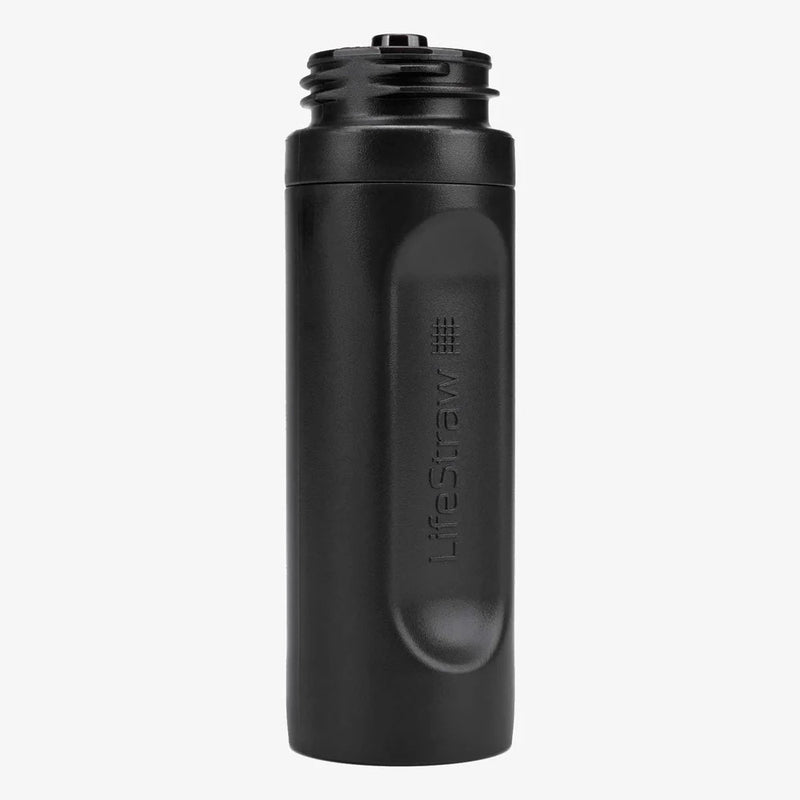
LifeStraw - Peak Series Gravity Water Purifier System 8L
Regular price $18995Unit price-
- Regular price $2995Unit price
-
- Regular price $2495Unit price
-
-
LifeStraw - Carbon Ion Exchange Filter Cartridge Replacement
Regular price $1250Unit price - 6% off
LifeStraw – Escape High-Flow Pressurized Water Purifier
Sale price $32995 Regular price $34999Unit price -
LifeStraw - Peak Series Membrane Replacement Filter
Regular price $1995Unit price-
LifeStraw - Go Series Water Filter Tumbler 18oz
Regular price $4995Unit price-
LifeStraw - Go Series Stainless Steel Water Bottle 18oz
Regular price $4995Unit price-
LifeStraw - Sip Straw Filter with Carry Case 3-Pack
Regular price $8895Unit price-
LifeStraw - Peak Series Activated Carbon & Ion Exchange Filter
Regular price $1495Unit price-
LifeStraw - Peak Series Solo Carry Case
Regular price $995Unit price-
LifeStraw - Peak Series Personal Water Filter Straw Carry Case
Regular price $995Unit price-
LifeStraw - Go Series Stainless Steel Tumbler with Handle 24oz
Regular price $5995Unit price-
LifeStraw - Go Series Glass 20oz Water Filter Bottle
Regular price $5995Unit price-
LifeStraw - Sip Steel Filter Straw with Carry Case
Regular price $3495Unit price-
LifeStraw - Go Series Stainless Steel 24 oz
Regular priceFrom $5995Unit price-




LifeStraw Water Filtration & Purification FAQ
What is LifeStraw and how does their filtration technology work?
What is LifeStraw and how does their filtration technology work?
LifeStraw pioneered personal water filtration using hollow fiber membrane technology that physically removes bacteria, parasites, and microplastics from contaminated water through microscopic pores. LifeStraw filters contain thousands of hollow fiber straws with 0.2 micron pores—small enough to block 99.999999% of bacteria (including E. coli and salmonella), 99.999% of parasites (like Giardia and Cryptosporidium), and 99.999% of microplastics from water sources. Unlike chemical treatments that require wait times or activated carbon filters that eventually saturate, LifeStraw's membrane physically traps contaminants allowing clean water to pass through. The technology works through suction (straw filters), squeezing (collapsible bottles), or gravity (suspended reservoir systems), making safe water accessible without electricity, batteries, or replacement cartridges during the filter's rated lifespan. LifeStraw's mission extends beyond outdoor recreation—their products provide life-saving water filtration for emergency preparedness, disaster relief, international travel, and humanitarian aid in developing countries lacking clean water infrastructure.
What's the difference between LifeStraw straw filters and their bottle filtration systems?
What's the difference between LifeStraw straw filters and their bottle filtration systems?
LifeStraw straw filters like the Peak Series Straw represent ultra-minimalist personal filtration—you drink directly from contaminated water sources through the straw, which filters water as you sip. These are the lightest, most compact option ideal for ultralight backpacking, emergency kits where space is critical, or backup filtration in bug-out bags. Straw filters require bending to water sources and drinking directly, limiting versatility. LifeStraw bottle systems including the Go Series Stainless Steel and Peak Series Collapsible integrate filters into drinking bottles, allowing you to fill the bottle with untreated water then drink filtered water through the mouthpiece. Bottle systems provide convenience of carrying filtered water, ability to share clean water with others, compatibility with standard water bottles (Peak Series Solo), and hands-free drinking without kneeling at water sources. The Go Series Stainless Steel bottles add durability and insulation for hot/cold beverages while the Peak Series Collapsible bottles pack down when empty for space efficiency. Choose straw filters for absolute minimum weight or bottle systems for versatility and convenience.
How do LifeStraw gravity filter systems work and when should I use them?
How do LifeStraw gravity filter systems work and when should I use them?
LifeStraw Peak Series Gravity Filter Systems provide hands-free, high-volume water filtration perfect for base camps, family groups, or emergency preparedness scenarios requiring multiple gallons of clean water. Fill the reservoir (available in 3L or 8L capacities) with untreated water from streams, lakes, or questionable sources, hang it above your collection container, and gravity pulls water through the integrated filter delivering clean water continuously. The 8L systems with separate storage reservoirs provide dedicated safe water storage preventing cross-contamination. Gravity systems excel when you need substantial water quantities—filling multiple bottles for family members, maintaining hydration during extended camps, or processing water for cooking and hygiene during emergencies. The high-capacity filters in gravity systems last 500-2,000 liters depending on model. Advantages include zero effort (no squeezing or pumping), simultaneous filtering while performing other tasks, and ability to supply groups efficiently. Trade-offs versus personal filters include larger pack size and weight, making gravity systems better suited for vehicle-based camping, home emergency supplies, or established base camps rather than ultralight backpacking.
What contaminants do LifeStraw filters remove and what don't they filter?
What contaminants do LifeStraw filters remove and what don't they filter?
LifeStraw filters effectively remove bacteria (99.999999% removal), parasites including Giardia and Cryptosporidium (99.999% removal), microplastics (99.999% removal), dirt and sediment, and turbidity improving water clarity and taste. This makes LifeStraw excellent for treating natural backcountry water sources and emergency water during disasters when municipal systems are compromised. However, LifeStraw filters do NOT remove viruses (smaller than 0.2 micron pore size), dissolved chemicals or heavy metals (filter physically blocks particles but not dissolved substances), salt from seawater, or improve taste beyond removing particulates. For viral concerns in international travel or areas with human waste contamination, combine LifeStraw filtration with chemical treatment tablets or choose products specifically rated for virus removal. LifeStraw recently introduced some products with activated carbon reducing chemicals and improving taste, but standard hollow fiber filters focus on biological contaminants. For North American wilderness use and most disaster scenarios, LifeStraw's bacteria and parasite removal provides adequate protection. Urban water with industrial contamination may require additional treatment for chemical safety.
How long do LifeStraw filters last before replacement is needed?
How long do LifeStraw filters last before replacement is needed?
LifeStraw filter lifespan varies by product line based on filter size and technology. Original LifeStraw personal filters last up to 1,000 liters (264 gallons), Peak Series personal filters extend to 2,000 liters (528 gallons), and gravity system filters provide 500-2,000 liters depending on model. Unlike Sawyer's backflush-able 100,000-gallon lifetime filters, LifeStraw filters eventually require replacement—the hollow fiber membranes clog with use and cannot be fully restored. However, LifeStraw filters are replaceable, allowing you to purchase replacement cartridges extending the life of bottle and gravity systems without buying entirely new units. For emergency preparedness, calculate your needs: a family of four consuming 1 gallon per person daily would need filter replacement every 66 days using a 1,000-liter filter. Stock replacement filters alongside primary systems for long-term preparedness. LifeStraw filters gradually reduce flow rate as they approach capacity, providing warning before complete failure. Proper maintenance—rinsing after use and drying between uses—maximizes lifespan, while extremely silty or contaminated water accelerates clogging requiring more frequent replacement.
What are the advantages of LifeStraw Go Series stainless steel bottles versus collapsible bottles?
What are the advantages of LifeStraw Go Series stainless steel bottles versus collapsible bottles?
LifeStraw Go Series Stainless Steel bottles (24oz and 1L sizes) provide durability, insulation, and premium feel ideal for everyday carry, tactical environments, or situations where bottle damage is likely. Stainless steel construction survives drops and impacts that would destroy plastic bottles, double-wall insulation keeps water cold for hours, and the bottles work equally well for hot beverages when filter is removed. These bottles suit EDC preparedness, vehicle emergency kits, or daily use gradually building familiarity with filtration systems before emergencies. LifeStraw Peak Series Collapsible bottles (650ml and 1L sizes) prioritize packability and weight savings—collapsing to fraction of original size when empty, ideal for backpacking where space is premium. Collapsible bottles weigh less and pack into already-full bug-out bags or pockets. Trade-offs include less durability (puncture vulnerable), no insulation, and potentially shorter lifespan than stainless steel. For comprehensive preparedness, consider both: stainless steel for vehicle kits and EDC, collapsible for bug-out bags and ultralight scenarios. The Peak Series Solo's compatibility with standard water bottles adds versatility—screw the filter onto disposable bottles, converting them into filtered water sources during emergencies when you've scavenged bottles but water sources are questionable.
Can LifeStraw products be used for emergency preparedness and disaster scenarios?
Can LifeStraw products be used for emergency preparedness and disaster scenarios?
Yes, LifeStraw products are excellent emergency preparedness tools providing reliable water filtration when municipal water systems fail, natural disasters contaminate supplies, or evacuations leave you dependent on questionable water sources. LifeStraw gravity systems supply families with clean water during extended power outages, the Go Series bottles enable safe hydration from compromised city water during infrastructure failures, and personal straw filters provide backup filtration in vehicle emergency kits and bug-out bags. LifeStraw's technology requires no electricity, batteries, or complex operation—critical advantages during disasters when infrastructure collapses. Store LifeStraw products with emergency supplies ensuring immediate water security. The gravity systems handle high volumes for household use while personal filters provide mobile capability during evacuations. For comprehensive water preparedness, layer LifeStraw products across your plan: gravity system for home base, bottle systems for family members' individual kits, and straw filters as ultra-compact backups. Include replacement filters in long-term storage ensuring continued operation beyond initial filter capacity. LifeStraw's proven humanitarian use in disaster zones worldwide demonstrates real-world reliability during actual crises, not just recreational scenarios.
How do I maintain and store LifeStraw filters for maximum longevity?
How do I maintain and store LifeStraw filters for maximum longevity?
Proper LifeStraw maintenance extends filter life and ensures reliability when needed. After each use: blow air back through personal straws to expel residual water from hollow fibers, preventing bacterial growth in stagnant water; rinse bottles and gravity systems with clean water flushing debris; and allow filters to air dry completely before storage. Never let LifeStraw filters freeze when wet—ice crystals expand inside hollow fiber membranes, cracking them and destroying filtration effectiveness without visible damage. Store filters in climate-controlled locations or keep them inside your jacket during winter use. For long-term storage between uses, ensure filters are completely dry, store in protective cases preventing physical damage, and keep in moderate temperature environments away from extreme heat or cold. Some LifeStraw products include storage caps preventing contamination during storage. Check stored emergency LifeStraw products every 6 months, verifying no visible damage and testing flow rate. Unlike Sawyer filters requiring backflushing maintenance, LifeStraw filters generally don't need field maintenance beyond basic rinsing—the design prioritizes simplicity over longevity, making them more user-friendly for less experienced outdoor enthusiasts or family members without technical filtration knowledge.
What's the best LifeStraw product for different emergency preparedness scenarios?
What's the best LifeStraw product for different emergency preparedness scenarios?
Scenario-specific LifeStraw selection optimizes your preparedness investment. Urban emergency preparedness (earthquakes, power outages, water main breaks): LifeStraw Peak Series 8L Gravity System with storage provides family water supply while Go Series stainless steel bottles enable mobile filtration from bathtubs, pools, or outdoor sources. Bug-out bags and evacuation kits: Peak Series Straw for ultra-compact backup, Peak Series Collapsible bottle for primary filtration balancing capability and space. Vehicle emergency kits: Go Series 1L stainless steel bottle offering durability surviving vehicle conditions plus everyday usability encouraging familiarity. Backcountry and wilderness survival: Peak Series personal filters for lightweight capability, gravity systems for base camps. International travel: Go Series bottles or Peak Series bottles for hotel tap water and questionable municipal supplies. Family camping and preparedness: 8L gravity system handling multiple people efficiently. Comprehensive preparedness includes multiple LifeStraw products distributed across locations—home, vehicles, bug-out bags—ensuring water filtration redundancy if primary systems are lost, damaged, or inaccessible during emergencies. The relatively affordable price point compared to some competitors makes stocking multiple LifeStraw products across your preparedness network financially feasible.
How does LifeStraw compare to Sawyer and other portable water filters?
How does LifeStraw compare to Sawyer and other portable water filters?
LifeStraw versus Sawyer represents different design philosophies serving overlapping needs. LifeStraw prioritizes simplicity and user-friendliness—no backflushing maintenance, intuitive operation, and integrated bottle systems. Sawyer emphasizes extreme longevity (100,000 gallons with backflushing versus LifeStraw's 1,000-2,000 liters) and lowest cost per gallon filtered but requires more maintenance discipline and technical understanding. LifeStraw's gravity systems offer elegant simplicity while Sawyer squeeze systems provide more versatility (inline, gravity, squeeze, bottle threading). LifeStraw's stainless steel Go Series bottles and collapsible Peak Series bottles offer premium user experience versus Sawyer's utilitarian squeeze pouches. For emergency preparedness, Sawyer provides better long-term value for serious preppers willing to maintain filters properly, while LifeStraw offers more accessible, user-friendly solutions for families or less technical users. LifeStraw's microplastics filtration addresses emerging contaminants that Sawyer's larger 0.1-micron pores miss. Ideal preparedness includes both brands—Sawyer for primary long-term filtration and LifeStraw for user-friendly backup and bottle-based convenience. LifeStraw's humanitarian mission and proven disaster relief use demonstrates real-world reliability beyond marketing claims.
Do LifeStraw filters work in cold weather and winter survival situations?
Do LifeStraw filters work in cold weather and winter survival situations?
LifeStraw filters are vulnerable to freeze damage like all hollow fiber membrane filters—water freezing inside the microscopic tubes expands, cracking the membrane and permanently destroying filtration effectiveness. If your LifeStraw freezes while containing water, assume it's compromised and replace it. For winter use, prevent freezing by: storing LifeStraw products inside jacket layers or sleeping bags overnight; blowing residual water from personal straws after each use; keeping bottle systems inside packs rather than exposed to exterior temperatures; using insulated bottle sleeves on stainless steel Go Series bottles; and filtering water during warmest parts of the day. For winter emergency preparedness, consider chemical water treatment as cold-weather backup since tablets don't freeze-damage. Store backup LifeStraw products indoors in climate-controlled locations. The stainless steel Go Series bottles offer slight advantage over plastic collapsible bottles in cold weather—insulation provides some freeze protection though filters themselves remain vulnerable. For true winter wilderness use, complement LifeStraw filters with ability to melt snow/ice for water (requiring fire or stove) and chemical treatment. Spring, summer, and fall use poses no temperature challenges, making LifeStraw excellent for three-season preparedness while winter requires additional considerations.
Can LifeStraw products filter water for cooking and hygiene or only drinking?
Can LifeStraw products filter water for cooking and hygiene or only drinking?
LifeStraw-filtered water is safe for all uses—drinking, cooking, food preparation, tooth brushing, wound cleaning, and hygiene. Once water passes through LifeStraw's 0.2-micron hollow fiber membrane removing bacteria and parasites, it's microbiologically safe for any purpose requiring clean water. The gravity systems particularly excel for high-volume needs beyond just drinking—fill cook pots for boiling pasta, washing dishes, or hygiene tasks. However, consider flow rate limitations: personal straw filters work best for drinking, while bottle systems provide adequate flow for cooking prep, and gravity systems efficiently supply bulk water for all household needs. For emergency preparedness, the ability to use filtered water for cooking extends food options beyond cold meals and enables proper hygiene maintaining health during extended disasters. Some emergency scenarios involve contaminated water sources but intact cooking fuel—LifeStraw filtration plus boiling provides extra safety margin for highly contaminated water. The microplastics removal also benefits cooking since heating plastic-contaminated water can release additional chemicals. For comprehensive preparedness, pair LifeStraw filtration with water storage containers, ensuring you can process and store sufficient water for drinking, cooking, and hygiene across multiple days without constantly filtering.
How should I introduce LifeStraw products to family members for emergency readiness?
How should I introduce LifeStraw products to family members for emergency readiness?
Family LifeStraw training builds confidence and competence before emergencies demand performance. Start with casual introductions: use LifeStraw bottles during family camping trips or hikes, allowing children and adults to experience filtering their own water in safe environments where failure isn't dangerous. Practice with LifeStraw gravity systems during backyard camping or power-free weekends, simulating emergency conditions while maintaining safety nets. Key training elements include: demonstrating proper use (sucking technique for straws, filling procedures for bottles and gravity systems); explaining what LifeStraw filters and doesn't filter (building realistic expectations); practicing maintenance (rinsing, drying, storage); identifying suitable water sources (avoiding obviously contaminated water); and troubleshooting common issues (slow flow rates, leaks). Make training age-appropriate—younger children can handle supervised bottle use while teenagers can manage gravity systems independently. Store LifeStraw products accessibly so family members know exactly where to find them during emergencies. Include LifeStraw instruction sheets with emergency supplies. Regular practice prevents panic fumbling during real crises when stress compromises memory and fine motor skills. Familiarity with LifeStraw products also encourages their use—gear that feels foreign stays unused while familiar tools get deployed appropriately during emergencies.
