

NAR - Class A Trauma & First Aid Backpack Kit
Regular priceFrom $57499Unit price-
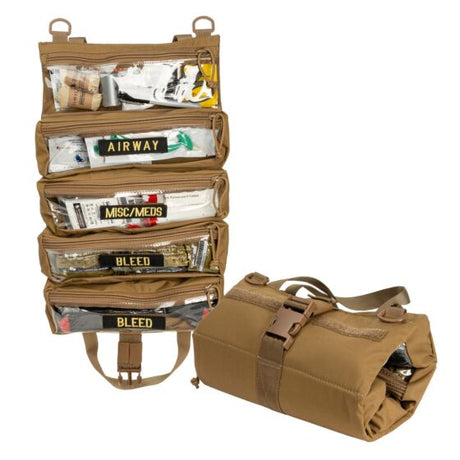
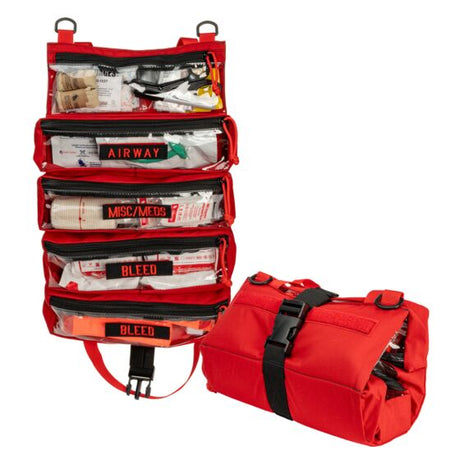
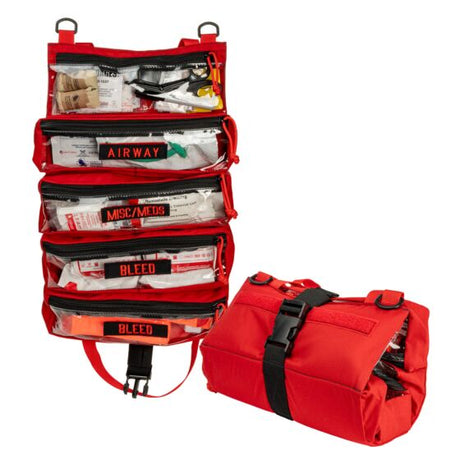
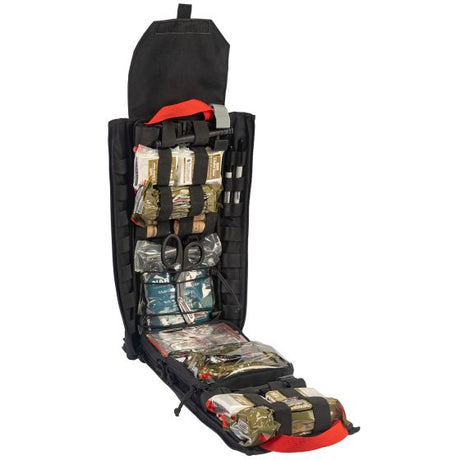
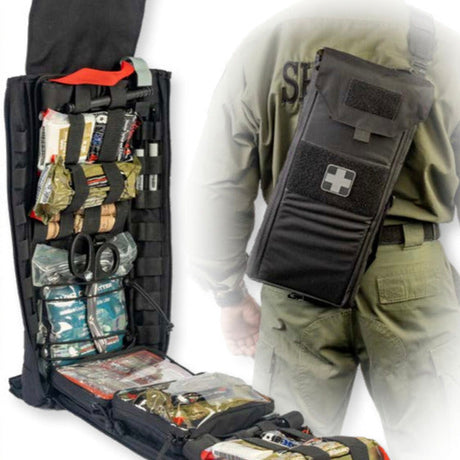
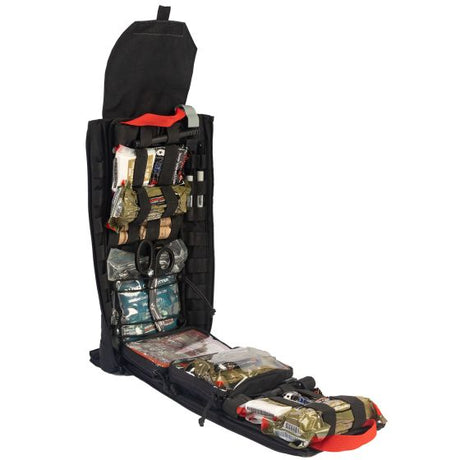
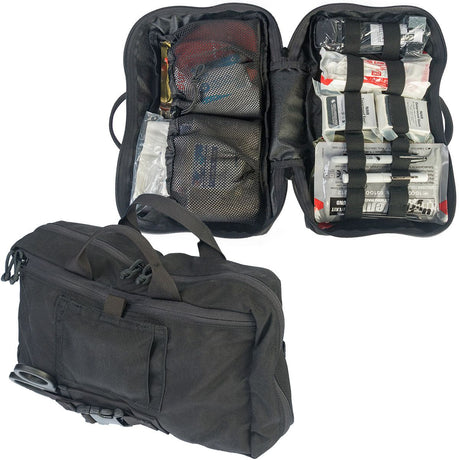
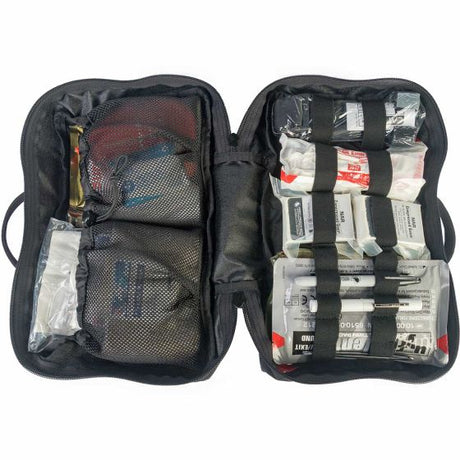
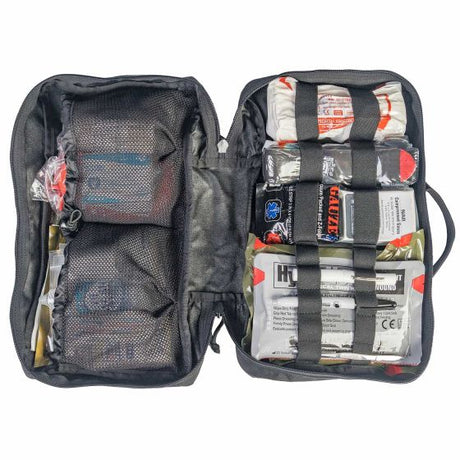
North American Rescue – Mini Trauma Sheet Kit Class A
Regular priceFrom $26799Unit price-
NAR - Mini Trauma Sheet Kit with Medical Supplies
Regular priceFrom $33499Unit price-
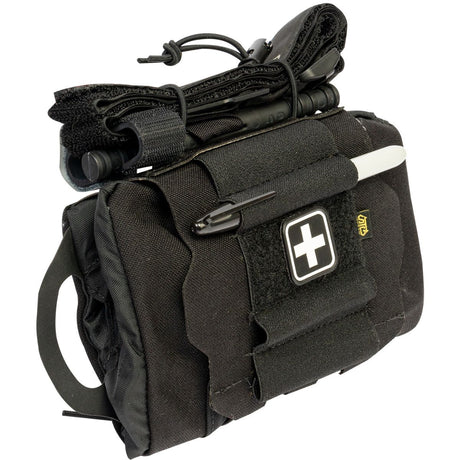
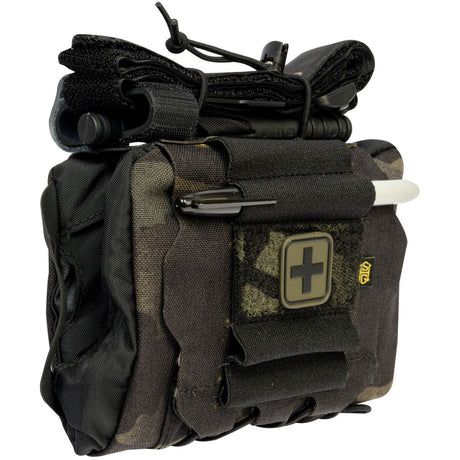
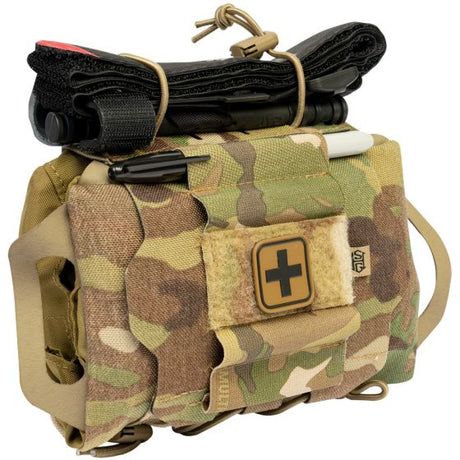
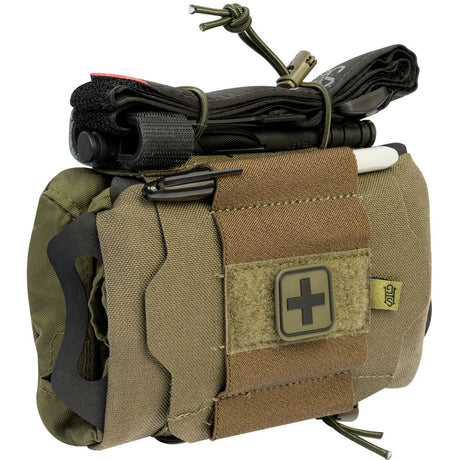
NAR - Reflex IFAK System Kit with TCCC Supplies
Regular priceFrom $26449Unit price-
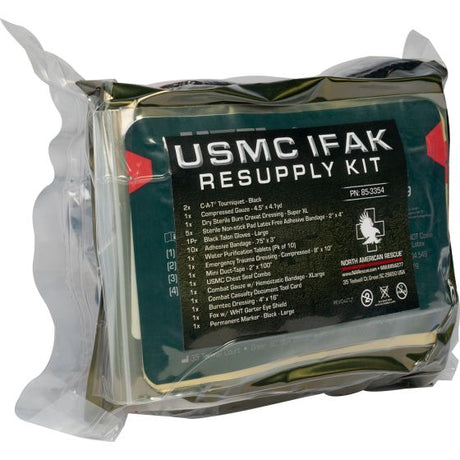
North American Rescue - USMC IFAK Resupply Kit
Regular price $34095Unit price-
NAR - K-9 Tactical Field Kit for Emergency Care
Regular priceFrom $39549Unit price-
NAR - RUF Trauma Aid Kit with IFAK Supplies, Black
Regular priceFrom $41995Unit price-
NAR - Tactical Operator Response Kit, Rapid Deployment
Regular priceFrom $14699Unit price-
North American Rescue – Ready Every Day (RED) Kit – Personal
Regular price $12499Unit price-
North American Rescue – Mini Trauma Aid Kit (Mini-TAK)
Regular priceFrom $10499Unit price-
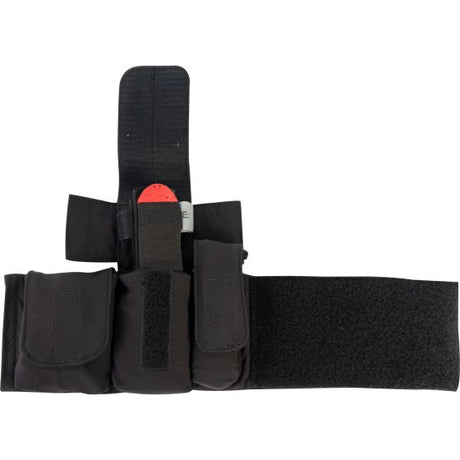
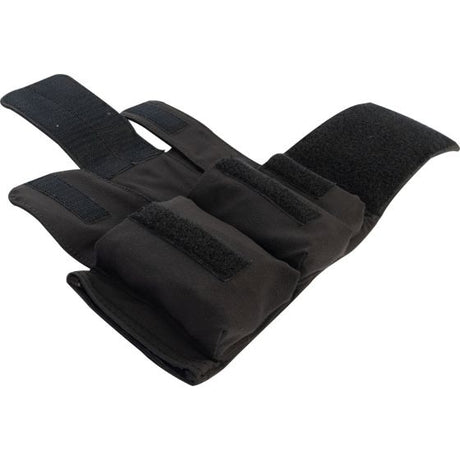
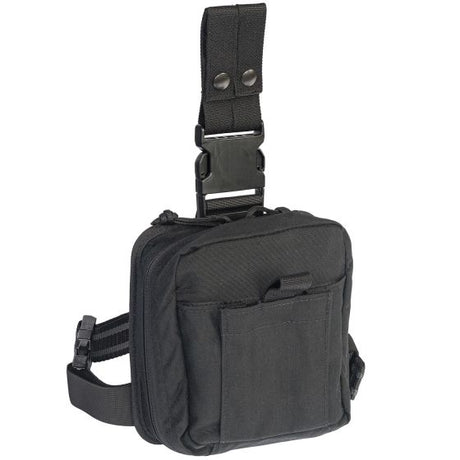
NAR - EDC Ankle Trauma Kit with Tourniquet, Black
Regular priceFrom $9249Unit price-
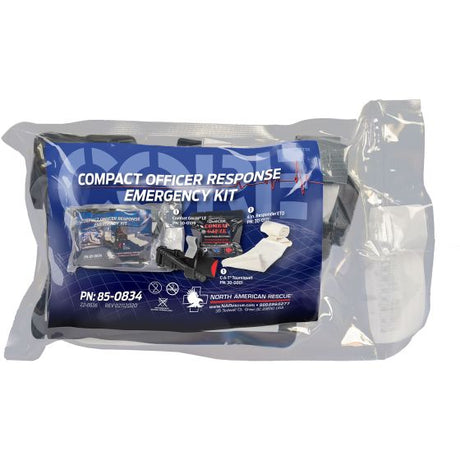
NAR - Compact Officer Emergency Response Kit
Regular price $8999Unit price-
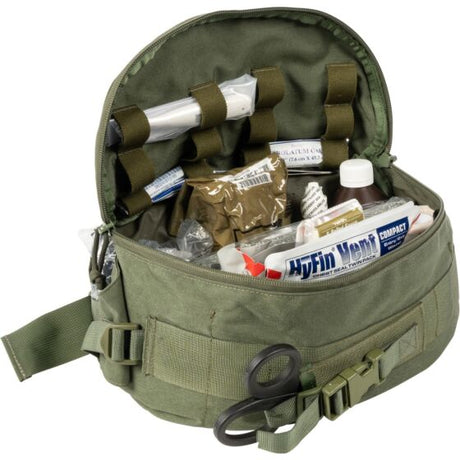
NAR - Lumbar Compact First Aid Kit, MOLLE-Compatible
Regular priceFrom $8899Unit price-
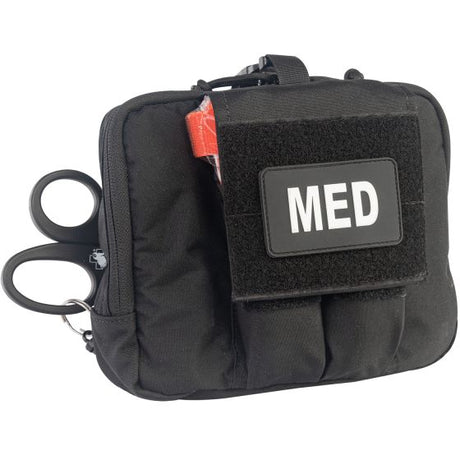
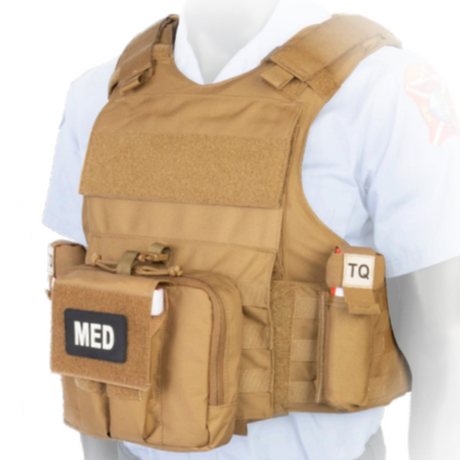
NAR - Rescue Task Force Chest Pouch Medical Kit
Regular price $27195Unit price-
North American Rescue – Patrol Vehicle Trauma Kit
Regular priceFrom $27495Unit price-
North American Rescue - Maritime Assault Compact IFAK Kit
Regular price $32299Unit price-





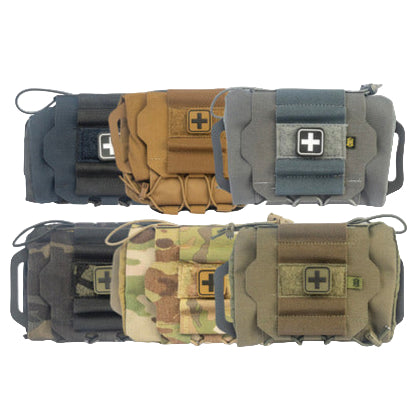


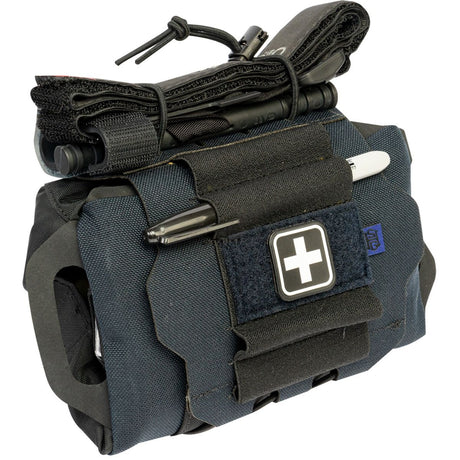
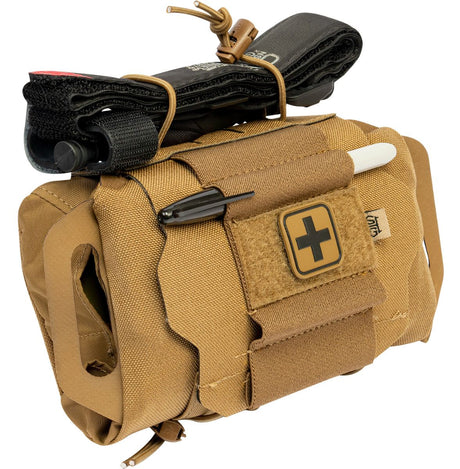
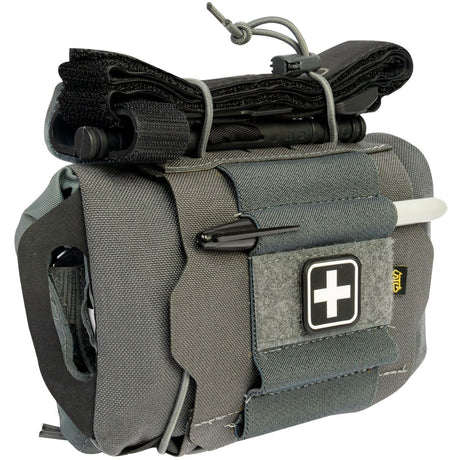













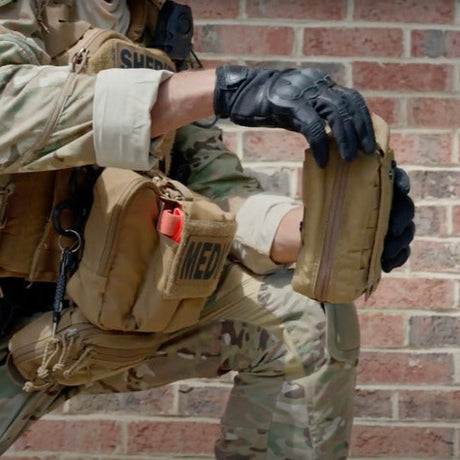


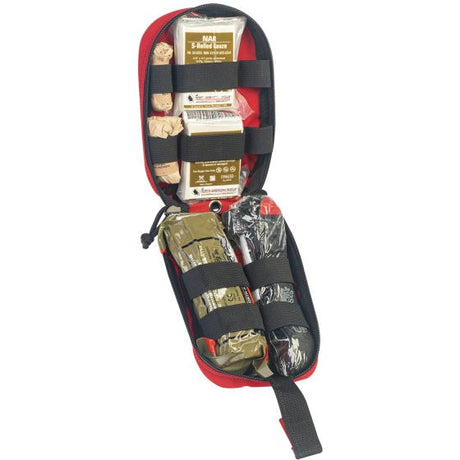


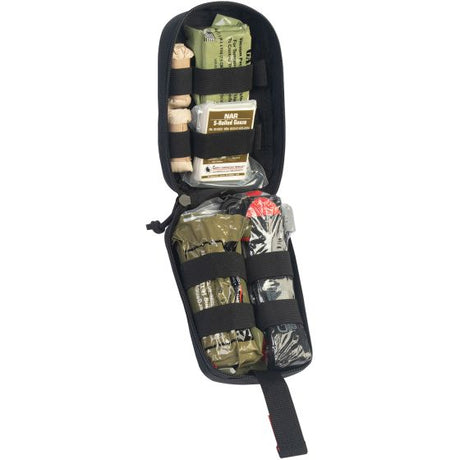
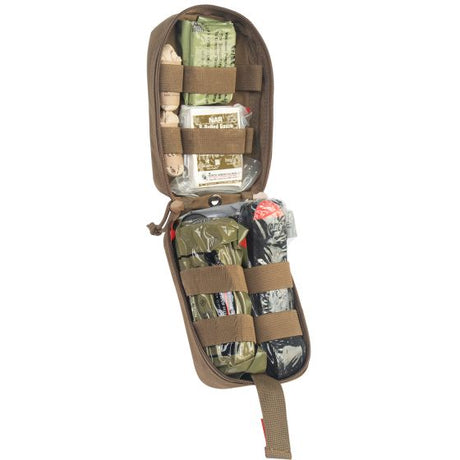
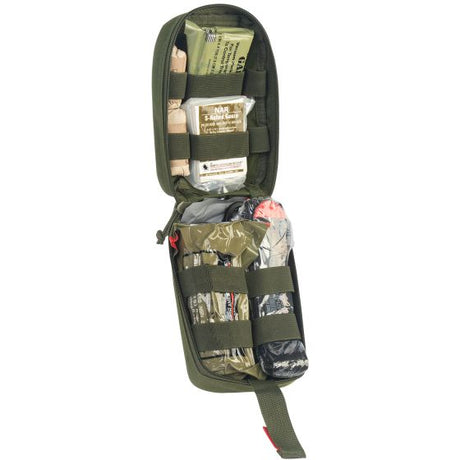
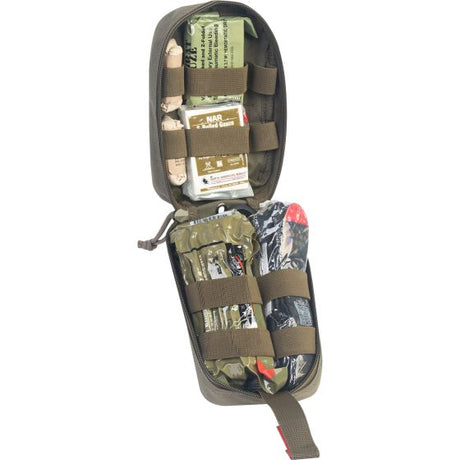
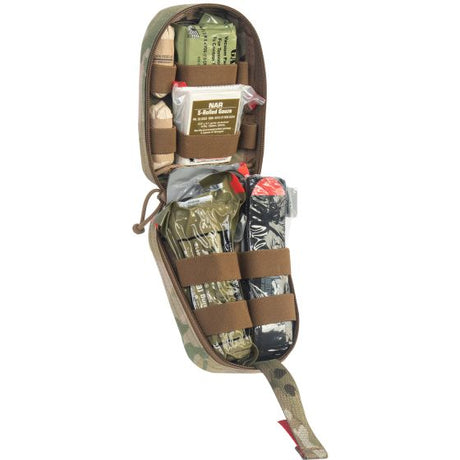
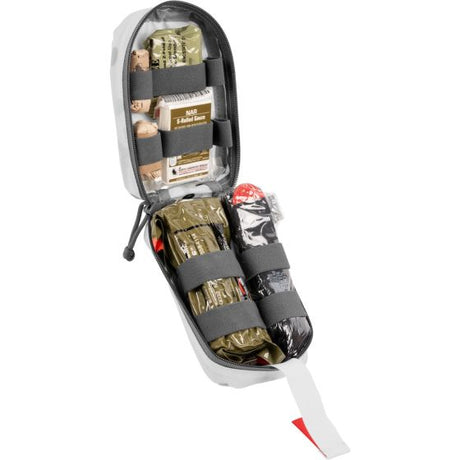



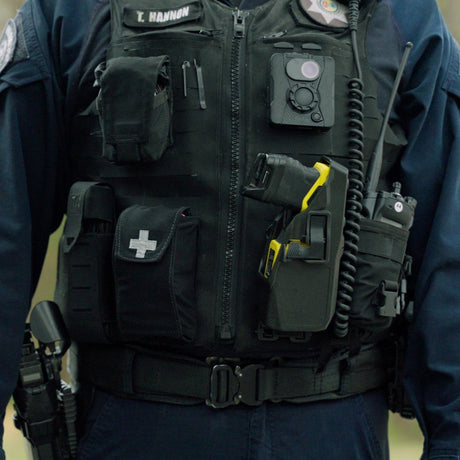


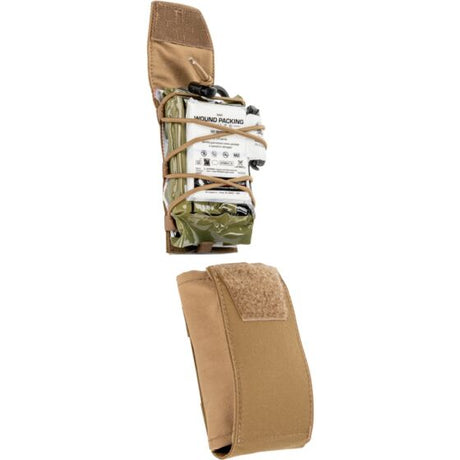
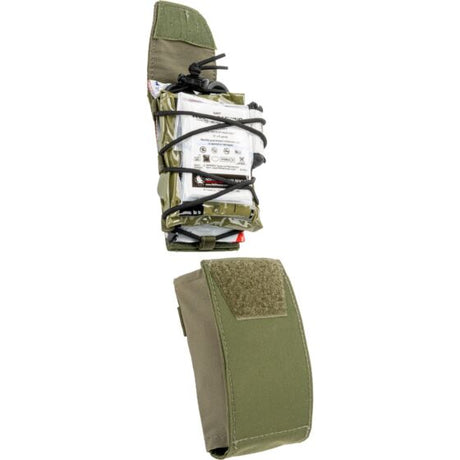
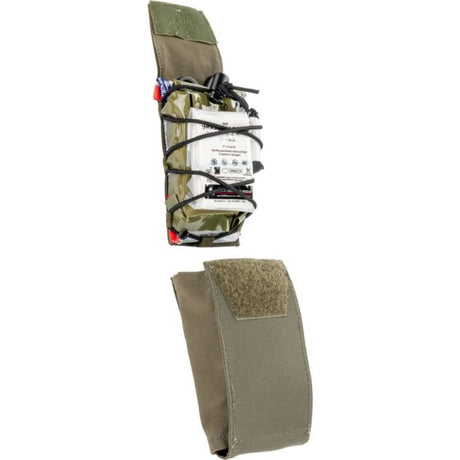
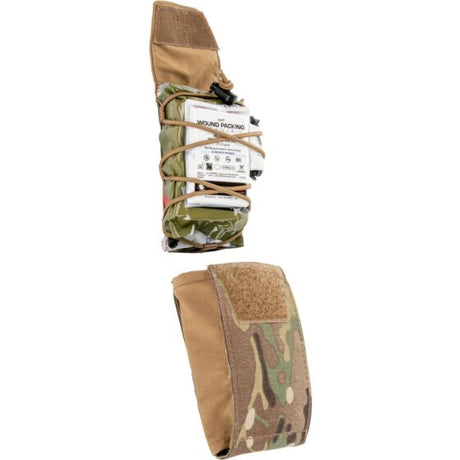
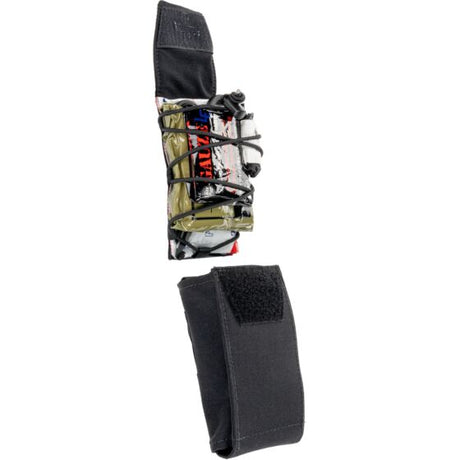
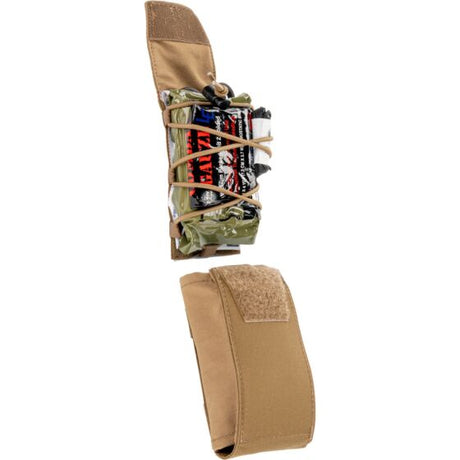
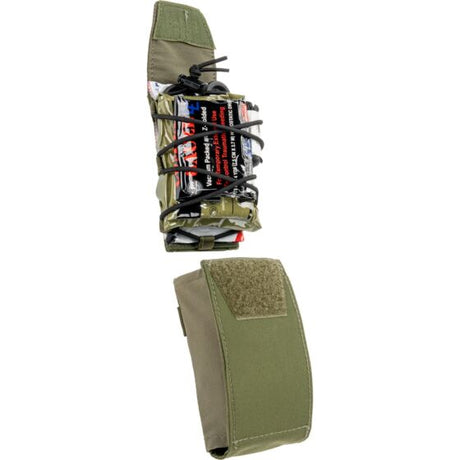





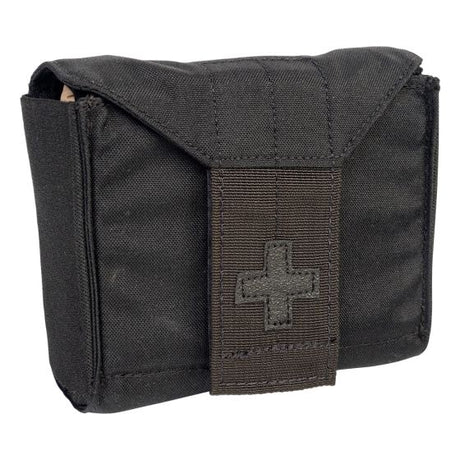
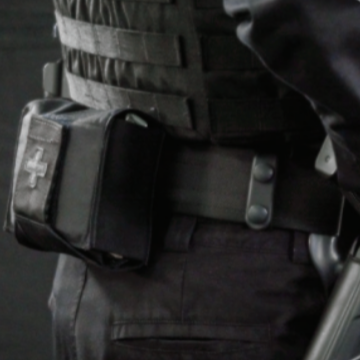


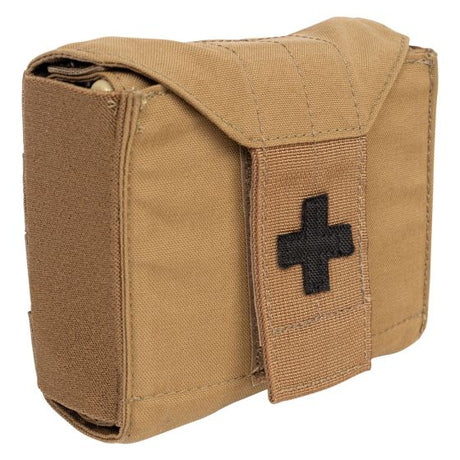

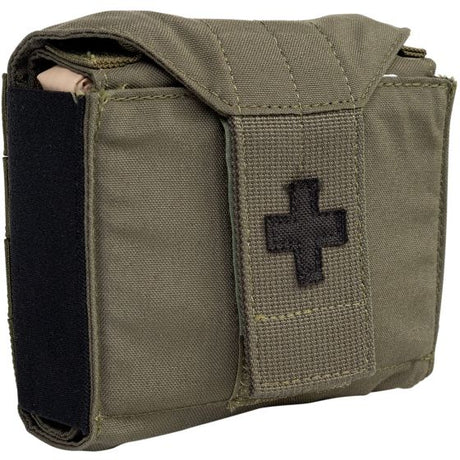










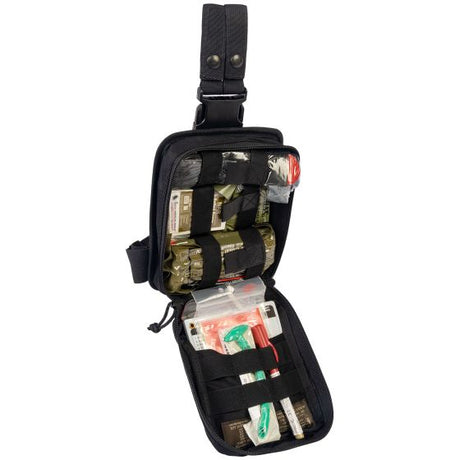


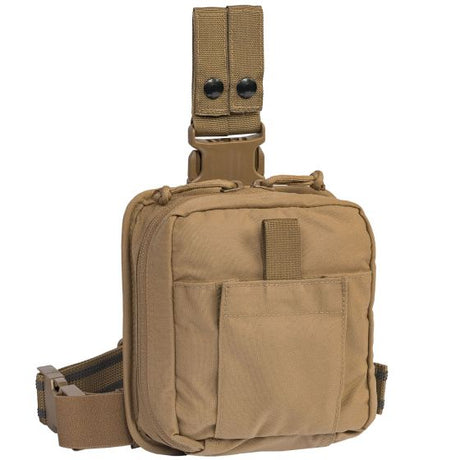
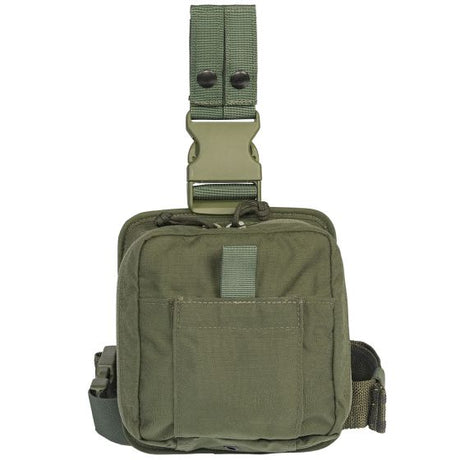
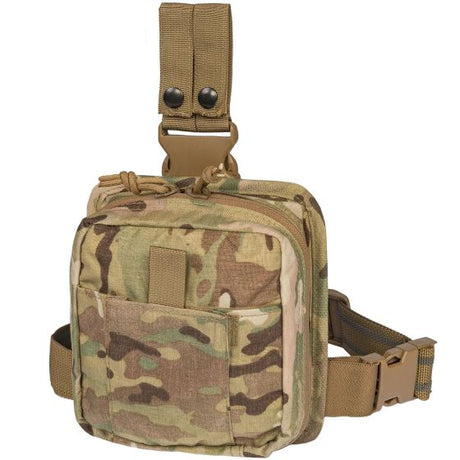
North American Rescue Trauma Kits & Medical Equipment FAQ
What is North American Rescue and why are they considered the gold standard in tactical medicine?
What is North American Rescue and why are they considered the gold standard in tactical medicine?
North American Rescue (NAR) is the leading manufacturer of tactical medical equipment, supplying military forces, law enforcement agencies, emergency medical services, and first responders worldwide with proven life-saving gear. NAR invented and manufactures the ubiquitous C-A-T (Combat Application Tourniquet), the most widely issued tourniquet in military history with documented thousands of battlefield saves. The company develops products based on Tactical Combat Casualty Care (TCCC) protocols—evidence-based trauma treatment guidelines developed from combat medicine research. NAR equipment undergoes rigorous testing under extreme conditions, earning trust from U.S. military special operations, federal agencies, and trauma surgeons globally. Unlike consumer first aid brands focused on minor injuries, NAR specializes exclusively in trauma care—hemorrhage control, airway management, and casualty treatment where seconds determine survival. For emergency preparedness and tactical professionals, NAR represents validated, battle-tested equipment rather than marketing claims. Choosing NAR means carrying the same gear trusted by those who face trauma regularly—medics, rescue teams, and operators who demand equipment that performs when failure means death.
What is an IFAK and why does every prepared person need one?
What is an IFAK and why does every prepared person need one?
An IFAK (Individual First Aid Kit) is a compact trauma kit containing essential supplies for treating life-threatening injuries during the critical minutes before professional medical care arrives. Unlike basic first aid kits addressing minor cuts and scrapes, IFAKs focus on the primary preventable causes of death from trauma: catastrophic hemorrhage, airway compromise, and tension pneumothorax. Every prepared individual, household, and vehicle should contain IFAK capability because traumatic emergencies occur unexpectedly—car accidents, industrial injuries, active violence, natural disasters, or recreational accidents can produce life-threatening bleeding within minutes of ambulance arrival. The golden window for hemorrhage control is measured in minutes—arterial bleeding can cause death in 3-5 minutes, far faster than any emergency response. North American Rescue IFAKs like the Reflex IFAK System, Mini-TAK, and Lumbar L-FAK provide comprehensive trauma supplies in compact, deployable packages suitable for everyday carry, vehicle storage, or integration with tactical gear. IFAK capability transforms bystanders into immediate responders capable of sustaining life until paramedics arrive.
What is the C-A-T Gen 7 tourniquet and why is it considered the best combat tourniquet available?
What is the C-A-T Gen 7 tourniquet and why is it considered the best combat tourniquet available?
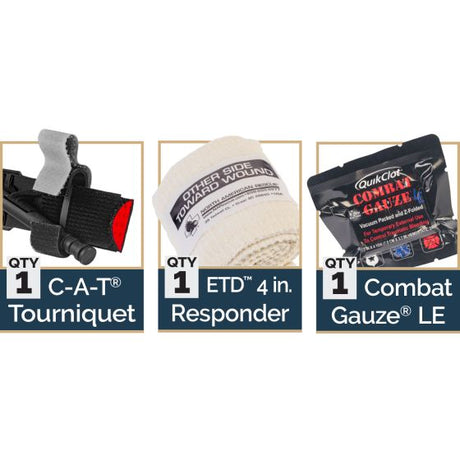
The NAR C-A-T (Combat Application Tourniquet) Generation 7 represents the most proven, widely deployed tourniquet in modern medical history with documented use saving thousands of lives on battlefields, streets, and emergency scenes worldwide. The C-A-T features a windlass system generating sufficient mechanical advantage to occlude arterial blood flow in extremities, a self-adhering band enabling one-handed self-application, a reinforced windlass rod surviving repeated use without breaking, a securing clip maintaining windlass position without unwinding, and time strap for documenting application time. Generation 7 improvements include enhanced windlass clip, improved band routing, and refined ergonomics based on decades of real-world feedback. The C-A-T is Committee on Tactical Combat Casualty Care (CoTCCC) recommended—the official standard for U.S. military trauma care. Unlike cheap imitation tourniquets flooding the market, genuine NAR C-A-T tourniquets undergo quality control ensuring reliable function during actual emergencies. For emergency preparedness, the C-A-T Gen 7 should be the foundation of every trauma kit—it's the single most important piece of hemorrhage control equipment and the difference between survivable and fatal extremity bleeding.
What does TCCC mean and why does it matter for civilian trauma kits?
What does TCCC mean and why does it matter for civilian trauma kits?
TCCC (Tactical Combat Casualty Care) represents evidence-based trauma treatment protocols developed from analysis of preventable combat deaths and continuously refined through battlefield medical research. TCCC guidelines identify the leading causes of preventable death (hemorrhage, airway obstruction, tension pneumothorax) and establish standardized treatment priorities and techniques addressing each threat. While developed for military medicine, TCCC principles apply directly to civilian trauma—the pathophysiology of bleeding doesn't change whether injuries occur in combat or car accidents. NAR products like the Reflex IFAK System Kit are built around TCCC supplies, containing equipment specifically selected to address TCCC-identified threats: tourniquets for extremity hemorrhage, hemostatic gauze for junctional bleeding, chest seals for penetrating chest trauma, and airways for compromised breathing. For civilian preppers and first responders, TCCC-based kits ensure you're carrying equipment validated by extensive combat medicine research rather than arbitrary first aid supplies. The protocols provide clear treatment priorities: massive hemorrhage first, airway second, respiration third—a systematic approach working in chaotic emergency environments where clear thinking may be compromised.
What's the difference between NAR's various trauma kit options (Mini-TAK, TORK, RUF Kit, etc.)?
What's the difference between NAR's various trauma kit options (Mini-TAK, TORK, RUF Kit, etc.)?
NAR offers trauma kits scaled to different scenarios, skill levels, and carrying requirements:
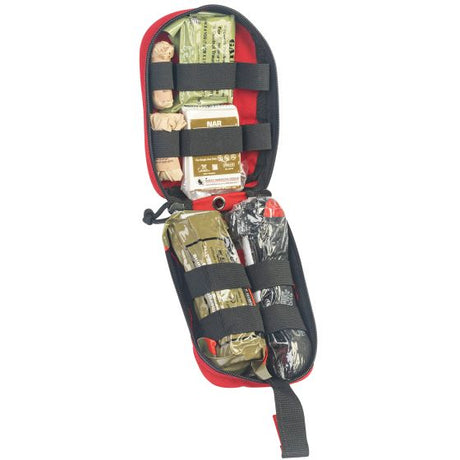
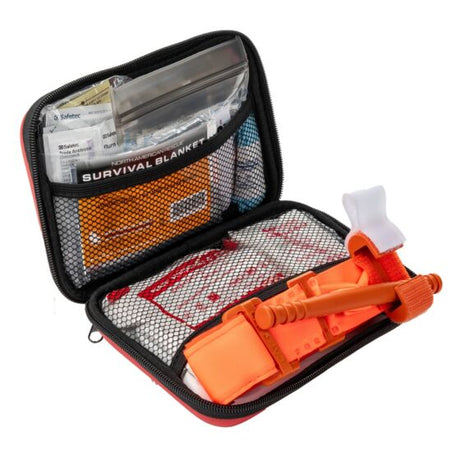
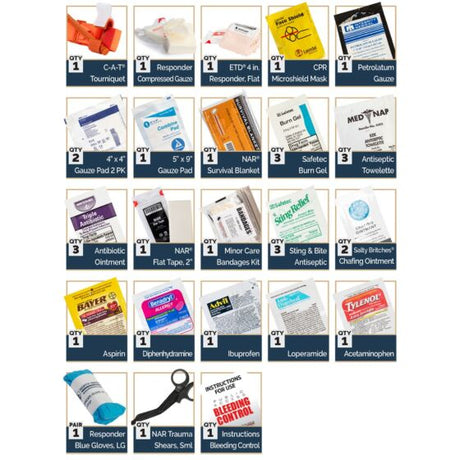
Mini-TAK (Mini Trauma Aid Kit): Compact personal trauma kit with essential hemorrhage control—C-A-T tourniquet, hemostatic gauze, pressure dressing, and gloves. Ideal for everyday carry, concealed capability, or as backup to larger kits.
Ready Every Day (RED) Kit: Personal trauma kit sized for pocket or belt carry, providing essential bleeding control capability for citizens wanting constant preparedness without bulk.
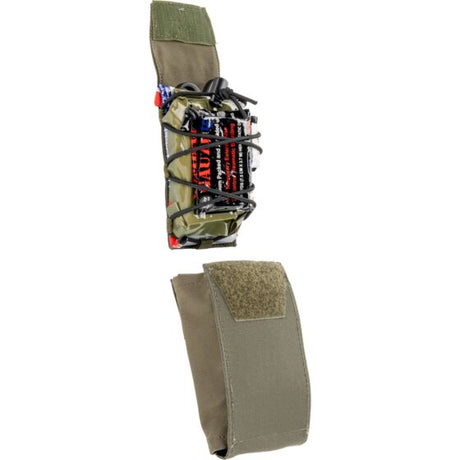
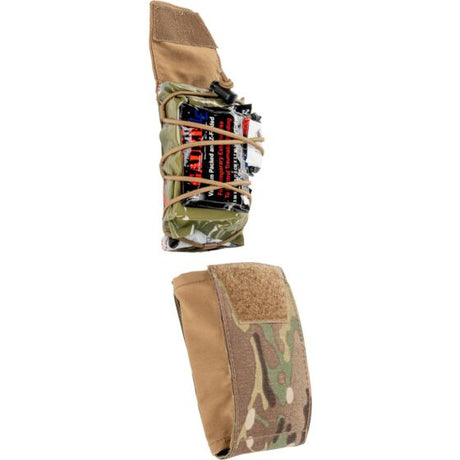
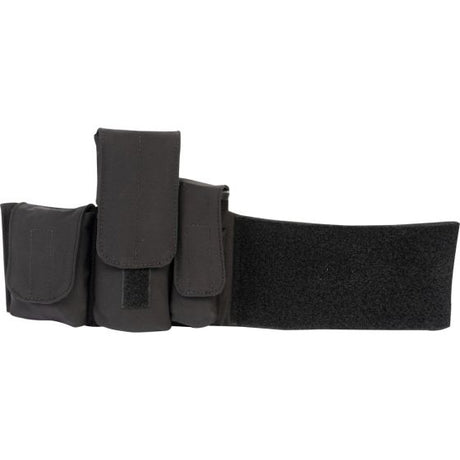
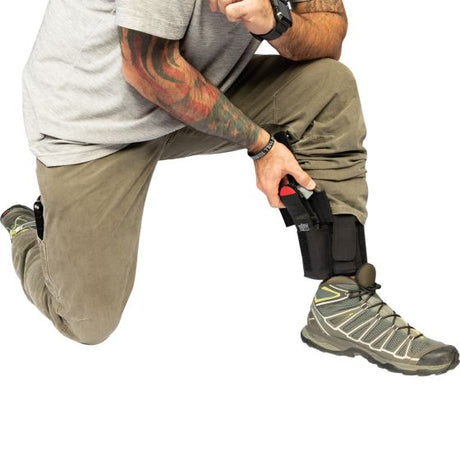
EDC Ankle Trauma Kit: Ultra-concealed ankle-mounted IFAK with tourniquet capability, perfect for law enforcement, armed citizens, or anyone requiring discrete trauma readiness.
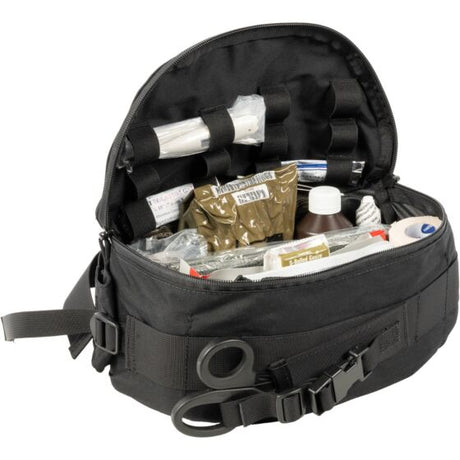
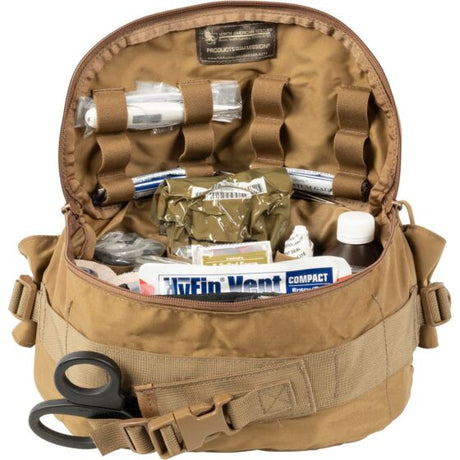
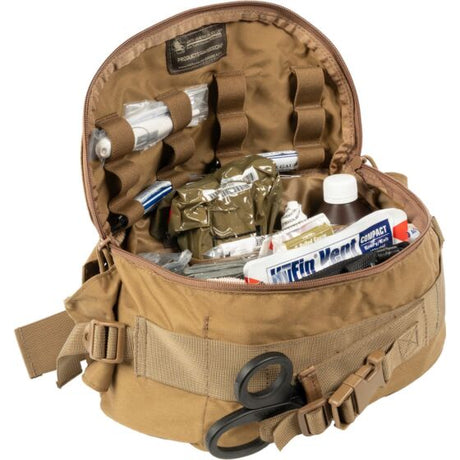
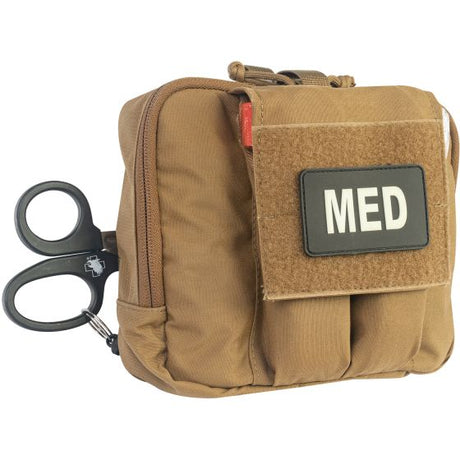
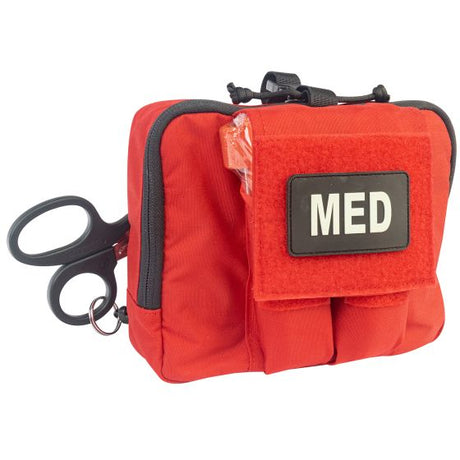
Lumbar L-FAK: MOLLE-compatible belt-mounted IFAK providing complete trauma supplies in accessible waist carry position, popular for range use and daily wear.
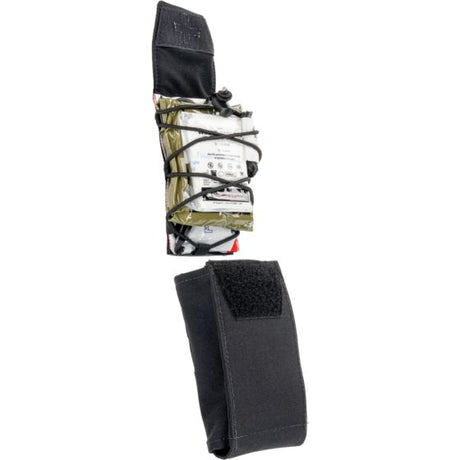
TORK (Tactical Operator Response Kit): Rapid deployment trauma kit designed for immediate access during active emergencies, featuring intuitive organization for stress-proof retrieval.
RUF Kit: Comprehensive dual-IFAK system with supplies for multiple casualties or extended care, suited for tactical teams, vehicle kits, or serious preppers.
Patrol Vehicle Trauma Kit: Vehicle-specific kit with supplies for treating multiple casualties at accident scenes or emergency incidents, designed for law enforcement and first responders.
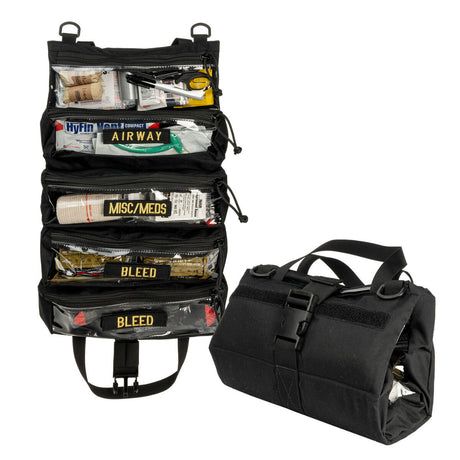
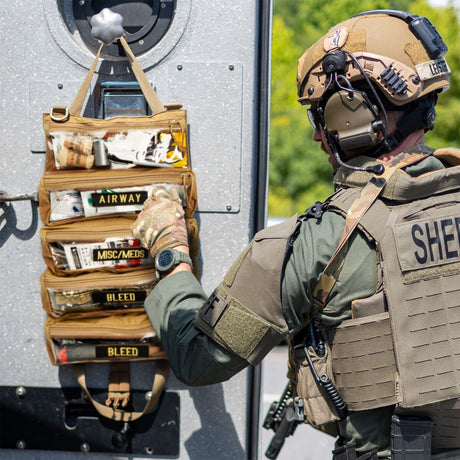
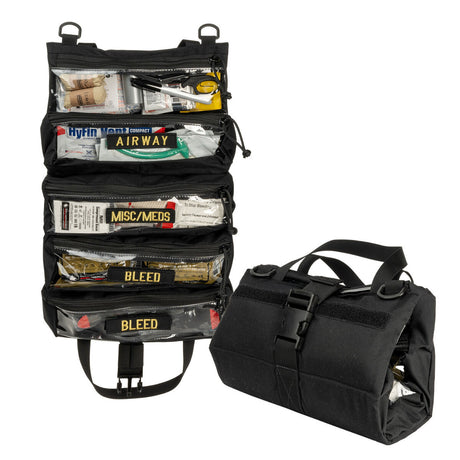
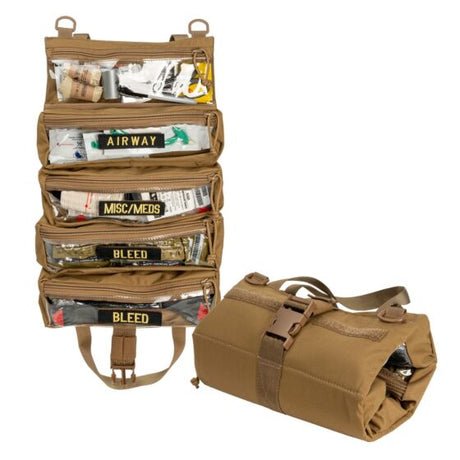
Mini Trauma Sheet Kit: Large-scale trauma supplies organized in sheet format for rapid mass casualty deployment.
Select kits based on your likely scenarios, carrying method, and number of potential casualties.
Who should carry NAR trauma equipment and in what situations?
Who should carry NAR trauma equipment and in what situations?
Everyone benefits from NAR trauma equipment accessibility, though specific needs vary by role and exposure:
Armed citizens and concealed carriers: Carrying defensive tools without medical capability creates ethical and practical problems—the ability to create wounds should accompany ability to treat them. NAR EDC Ankle Kit or Mini-TAK provides discrete trauma readiness.
Vehicle emergency kits: Car accidents cause traumatic injuries where hemorrhage control saves lives during ambulance response times. Patrol Vehicle Trauma Kit or TORK addresses vehicle-based emergencies.
Range bags and shooting sports: Negligent discharges and accidents happen even with careful practitioners. Immediate tourniquet and hemorrhage control capability can sustain life during evacuation from ranges often distant from hospitals.
Outdoor recreation: Backcountry accidents (chainsaw injuries, falls, animal attacks) occur far from emergency services. NAR IFAKs provide trauma capability during extended evacuation times.
Home preparedness: Disasters, home invasions, industrial accidents, and power tool injuries can produce life-threatening trauma. Family trauma kits ensure capability regardless of which family member is injured.
Tactical professionals: Military, law enforcement, and security personnel face elevated trauma risk requiring professional-grade equipment—NAR supplies these communities specifically.
What medical training do I need to effectively use NAR trauma equipment?
What medical training do I need to effectively use NAR trauma equipment?
Medical training dramatically increases NAR equipment effectiveness—having supplies means nothing without knowledge and practiced skills. Essential training levels include:
Stop the Bleed: Free 90-minute course teaching tourniquet application, wound packing, and pressure dressing use. This national campaign directly addresses NAR trauma kit contents and provides foundational hemorrhage control skills. Minimum recommended training for anyone carrying trauma equipment.
Basic first aid/CPR: Provides broader emergency response framework including assessment, airway management basics, and when to apply specific interventions.
Tactical Combat Casualty Care (TCCC): Military/professional-level trauma training covering comprehensive TCCC protocols including advanced hemorrhage control, airway management, chest seal application, and casualty movement. Available through various civilian providers.
Wilderness First Responder: Extended emergency care training for remote environments where definitive care is hours away—particularly relevant for backcountry preppers.
EMT/Paramedic certification: Professional medical training enabling advanced interventions beyond basic hemorrhage control.
Practice with training equipment regularly—stress degrades complex skills, so simple repetitive practice builds muscle memory enabling effective response during actual emergencies. NAR offers training tourniquets and supplies for skill maintenance without depleting emergency kit contents.
What is hemostatic gauze and when should it be used instead of a tourniquet?
What is hemostatic gauze and when should it be used instead of a tourniquet?
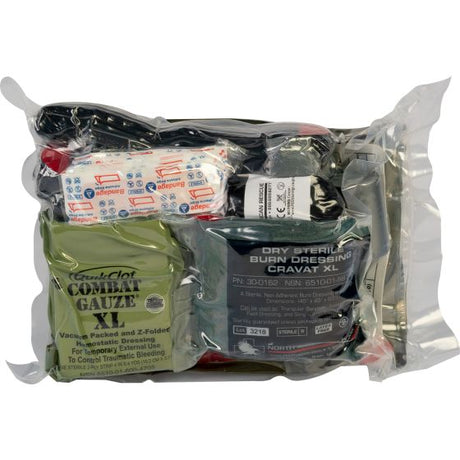
Hemostatic gauze (like QuikClot Combat Gauze included in NAR kits) contains clotting agents (kaolin or chitosan) that dramatically accelerate blood coagulation when packed into wounds. Use hemostatic gauze for bleeding in junctional areas where tourniquets cannot be applied—neck, groin, armpit, and areas between torso and extremities. These anatomical regions contain major blood vessels but lack the limb structure enabling tourniquet placement. Hemostatic gauze technique involves packing the wound firmly, pushing gauze deep to the bleeding source, then applying direct pressure for 3-5 minutes while clotting agents work. For extremity wounds, tourniquets remain first choice due to faster application and more reliable hemorrhage control. Use hemostatic gauze when: tourniquets cannot be applied anatomically, tourniquets fail to control bleeding (rare with proper application), or wounds occur in junctional zones. NAR Combat Gauze is CoTCCC recommended and proven in thousands of combat applications. Proper wound packing requires training to be effective—take Stop the Bleed or TCCC courses to practice technique before emergencies demand performance.
What are chest seals and when are they needed in trauma situations?
What are chest seals and when are they needed in trauma situations?
Chest seals address penetrating chest trauma—gunshot wounds, stab wounds, or other injuries creating holes in the chest wall that compromise breathing. When chest wall integrity is breached, air can enter the pleural space with each breath, potentially collapsing the lung (pneumothorax) or creating life-threatening pressure buildup (tension pneumothorax). Chest seals create an occlusive barrier over the wound, preventing air entry while often featuring venting mechanisms allowing trapped air to escape. NAR chest seals included in comprehensive IFAKs like the Reflex IFAK System and RUF Kit provide this capability. Application involves exposing the wound, wiping away blood/debris, and firmly applying the adhesive seal over and around the wound. For penetrating trauma, assume both entry and exit wounds exist—check the patient's back and apply seals to all chest wall wounds. While chest seals seem specialized, penetrating chest trauma occurs in vehicle accidents (impalement), industrial injuries, and violence scenarios beyond just gunshot wounds. Having chest seal capability extends your trauma response beyond simple hemorrhage control to thoracic emergencies.
How do I choose between NAR's different IFAK mounting options (ankle, belt, chest, vehicle)?
How do I choose between NAR's different IFAK mounting options (ankle, belt, chest, vehicle)?
IFAK mounting selection depends on your activities, carrying methods, concealment needs, and likely emergency scenarios:
Ankle-mounted (EDC Ankle Kit): Maximum concealment for everyday carry—accessible while seated, concealed under pants, always present. Suits armed citizens, undercover professionals, or anyone wanting constant discrete capability. Trade-offs include limited capacity and access challenges during some activities.
Belt-mounted (Lumbar L-FAK): Accessible waist carry with MOLLE compatibility, popular for range use, outdoor activities, and open-carry situations. Provides quick access without removing pack or reaching into bags. MOLLE attachment integrates with tactical belts and plate carriers.
Chest-mounted (Rescue Task Force Chest Pouch): Immediate frontal access for rapid deployment during active emergencies. Suits rescue teams, tactical operators, or situations where speed of access is paramount. High visibility enables others to locate and use your medical supplies if you're incapacitated.
Vehicle-mounted (Patrol Vehicle Trauma Kit): Permanent vehicle storage ensuring capability during traffic accidents, breakdowns, or any vehicle-based emergency. Higher capacity than body-worn options since weight doesn't matter. Essential for anyone spending significant time driving.
Pack-mounted or cached: MOLLE panels on backpacks, storage in bug-out bags, or cached locations (home, office) provide capability without constant body carry.
Optimal preparedness includes multiple mounting solutions—ankle or belt for constant carry, vehicle kit for driving, and home-cached supplies ensuring capability regardless of where emergencies occur.
Does NAR make specialized trauma kits for working dogs and K-9 units?
Does NAR make specialized trauma kits for working dogs and K-9 units?
Yes, North American Rescue manufactures the K-9 Tactical Field Kit specifically designed for emergency care of working dogs—military working dogs, police K-9s, search and rescue dogs, and other service animals facing field injuries. Working dogs face trauma risks including gunshot wounds, lacerations, punctures, and environmental injuries during operations that would be inappropriate to treat with human-sized equipment. The K-9 kit contains appropriately sized medical supplies addressing canine anatomy: hemorrhage control materials for different limb structures, chest seal options for canine thorax, airway management appropriate for dog airways, and wound treatment supplies. For handlers, military personnel, law enforcement K-9 units, and SAR teams, the K-9 Tactical Field Kit provides professional-grade capability for four-legged team members who deserve the same emergency care standards as human operators. While civilian pet owners can benefit from general K-9 first aid knowledge, the K-9 Tactical Field Kit is specifically designed for working dog environments and professional handlers trained in canine emergency care.
How should I store and maintain NAR trauma kits for emergency readiness?
How should I store and maintain NAR trauma kits for emergency readiness?
NAR trauma equipment requires periodic inspection and maintenance ensuring reliability during actual emergencies:
Regular inspections (every 3-6 months): Open kits and verify all components present, check expiration dates on hemostatic gauze and other dated supplies, inspect tourniquet windlass and bands for UV damage or wear, verify chest seal adhesive integrity (seals degrade over time), and confirm packaging hasn't been compromised exposing sterile contents.
Storage conditions: Store in climate-controlled environments avoiding extreme heat (degrades adhesives and hemostatic agents), extreme cold (can affect some materials), direct sunlight (UV damages rubber and plastic components), and moisture (compromises sterile packaging). Vehicle-stored kits face harshest conditions—inspect more frequently and consider insulated containers.
Expiration management: Hemostatic gauze has expiration dates—effectiveness degrades over time. Chest seal adhesives lose stickiness. Replace expired components before expiration rather than discovering degraded supplies during emergencies.
Component replacement: After any use (including training), replace used components immediately. Stock spare tourniquets, gauze, and chest seals for post-use replenishment.
Rotation strategy: For comprehensive preparedness, rotate approaching-expiration supplies from cache kits into training use, replacing with fresh supplies, ensuring nothing expires unused while maintaining practice.
Documentation: Include inventory list and expiration tracking with stored kits, enabling quick verification during inspections.
Why are genuine NAR products important versus cheaper imitation trauma supplies?
Why are genuine NAR products important versus cheaper imitation trauma supplies?
Genuine North American Rescue products undergo rigorous quality control ensuring reliable function during life-threatening emergencies where equipment failure means death. The market is flooded with counterfeit C-A-T tourniquets, imitation hemostatic gauze, and knockoff chest seals that appear similar but fail under actual use. Counterfeit tourniquets have documented failures—windlass rods breaking during application, bands slipping and failing to maintain occlusion, clips releasing and allowing windlass unwinding. Imitation hemostatic agents may contain ineffective clotting compounds or insufficient concentrations. Knockoff chest seals may lack adhesion, proper venting, or appropriate sizing. NAR products are manufactured to military specifications, tested under extreme conditions, and backed by decades of battlefield validation. The price difference between genuine NAR and counterfeits is trivial compared to the cost of equipment failure during a real emergency. Purchase from authorized dealers like Mountain Ready ensuring authentic products rather than counterfeit equipment from unknown sources. When you need a tourniquet, you need it to work the first time—genuine NAR C-A-T Gen 7 provides that confidence while counterfeits gamble with lives.
