
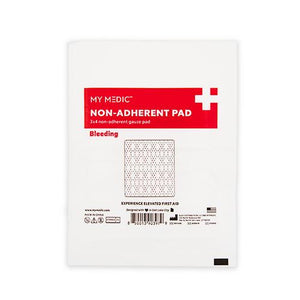
MY MEDIC

Non-Adherent Pad 3"X4"

Regular price $199
Shipping calculated at checkout.


Ethereum Bitcoin Pay with Crypto — Choose Bankful at checkout.

Description

Allow dressing to absorb, help minimize trauma to the wound.

Payment & Security

Payment methods

  • American Express
  • Apple Pay
  • Diners Club
  • Discover
  • Google Pay
  • JCB
  • Mastercard
  • Visa

Your payment information is processed securely. We do not store credit card details nor have access to your credit card information.

Frequently Asked Questions

What is the purpose of a non-adherent pad in wound care?

Non-adherent pads are particularly useful in emergency scenarios where wounds are likely to be exposed to dirt and bacteria, such as in natural disasters or outdoor survival situations. They help keep the wound clean and protected while allowing for easy dressing changes, which is essential when medical facilities are not immediately accessible.

For more on emergency preparedness, consider reading about Essential Items for a Bug Out Bag.

In what emergency scenarios would a non-adherent pad be most useful?

Non-adherent pads are particularly useful in emergency scenarios where wounds are likely to be exposed to dirt and bacteria, such as in natural disasters or outdoor survival situations. They help keep the wound clean and protected while allowing for easy dressing changes, which is essential when medical facilities are not immediately accessible.

For more on emergency preparedness, consider reading about Essential Items for a Bug Out Bag.

How should a non-adherent pad be applied to a wound?

To apply a non-adherent pad, first clean the wound with an appropriate antiseptic solution. Gently place the pad over the wound, ensuring it covers the entire area. Secure the pad with medical tape or a bandage to keep it in place. It's important to change the pad regularly to prevent infection and promote healing.

For a comprehensive guide on first aid kits, visit our First Aid Kits collection.

Can non-adherent pads be used for all types of wounds?

Non-adherent pads are suitable for a variety of wounds, including cuts, abrasions, and burns. However, they may not be ideal for wounds that require more absorbency, such as those with heavy exudate. In such cases, combining them with more absorbent materials might be necessary.

For more information on wound care, explore our First Aid Supplies collection.

What are the limitations of using non-adherent pads?

While non-adherent pads are excellent for reducing trauma during dressing changes, they may not provide adequate absorption for heavily exuding wounds. Additionally, they may require additional securing methods, such as tape or bandages, to stay in place effectively during movement.

For detailed insights into first aid kit organization, check out First Aid Kit Setup: What Goes Where and Why It Matters.

How often should non-adherent pads be changed?

The frequency of changing non-adherent pads depends on the wound type and level of exudate. Generally, they should be changed daily or whenever they become saturated to prevent infection. Monitoring the wound for signs of infection is crucial, and adjustments in care should be made as needed.

For more on maintaining a comprehensive first aid kit, visit our First Aid Refills & Individual Supplies collection.

Are non-adherent pads suitable for use in a bug out bag?

Non-adherent pads are an excellent addition to a bug out bag due to their lightweight and versatile nature. They can handle a variety of minor wounds and are easy to pack. Their ability to minimize trauma during dressing changes makes them invaluable in emergency situations where medical help may be delayed.

For a complete list of essentials, refer to our Bug Out Bag Essentials Checklist for Every Emergency.

How do non-adherent pads compare to traditional gauze?

Non-adherent pads differ from traditional gauze primarily in their design to prevent sticking to wounds. This feature reduces pain and damage during dressing changes. While traditional gauze may offer more absorbency, non-adherent pads provide a gentler option for sensitive wounds.

For more on selecting the right first aid supplies, explore our First Aid Supplies collection.

What should be considered when storing non-adherent pads?

When storing non-adherent pads, it is important to keep them in a clean, dry environment to prevent contamination. Ensure they are part of a well-organized first aid kit, so they are easily accessible during emergencies. Regularly check the pads for any signs of damage or contamination before use.

For tips on organizing your first aid kit, visit How to Organize Your First Aid Kit: A Tiered Approach.

Are non-adherent pads reusable?

Non-adherent pads are typically designed for single use to maintain hygiene and prevent infection. Reusing them can introduce bacteria to the wound, compromising the healing process. Always use a fresh pad for each dressing change to ensure the best care for the wound.

For more insights into medical preparedness, explore our Prepper Medical Supplies guide.