
Bluetti  |  SKU: BLUE-1EP800-2B500

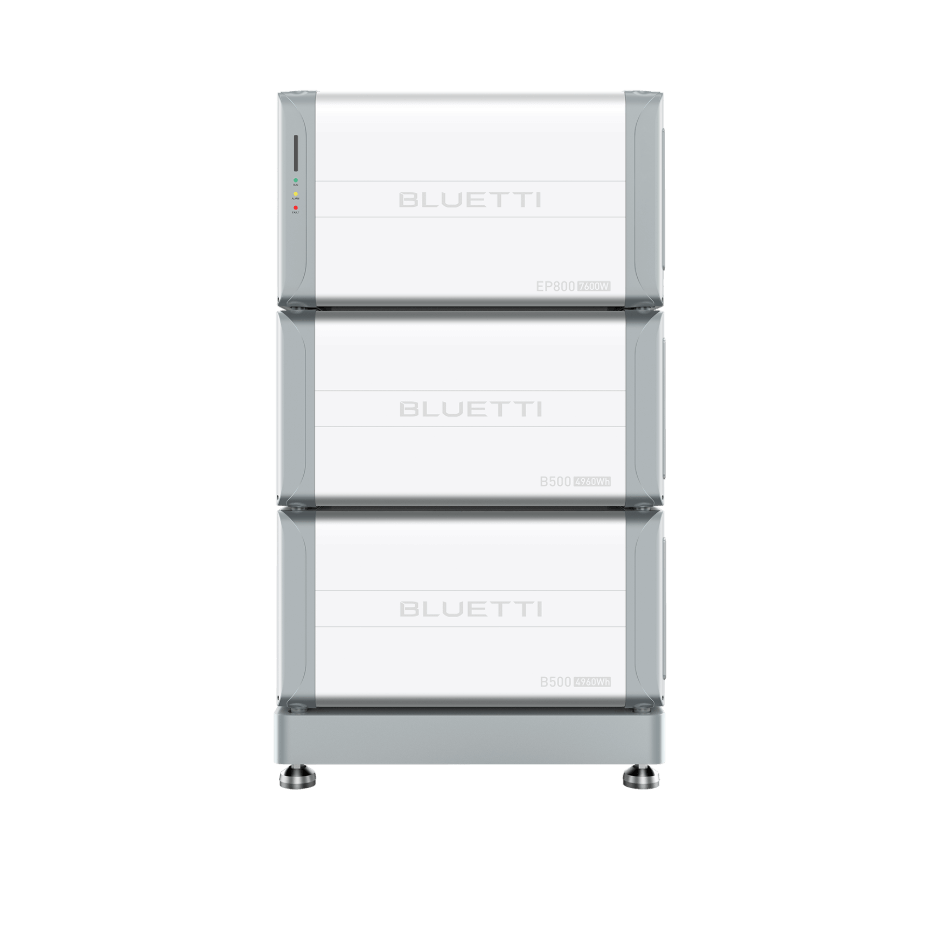
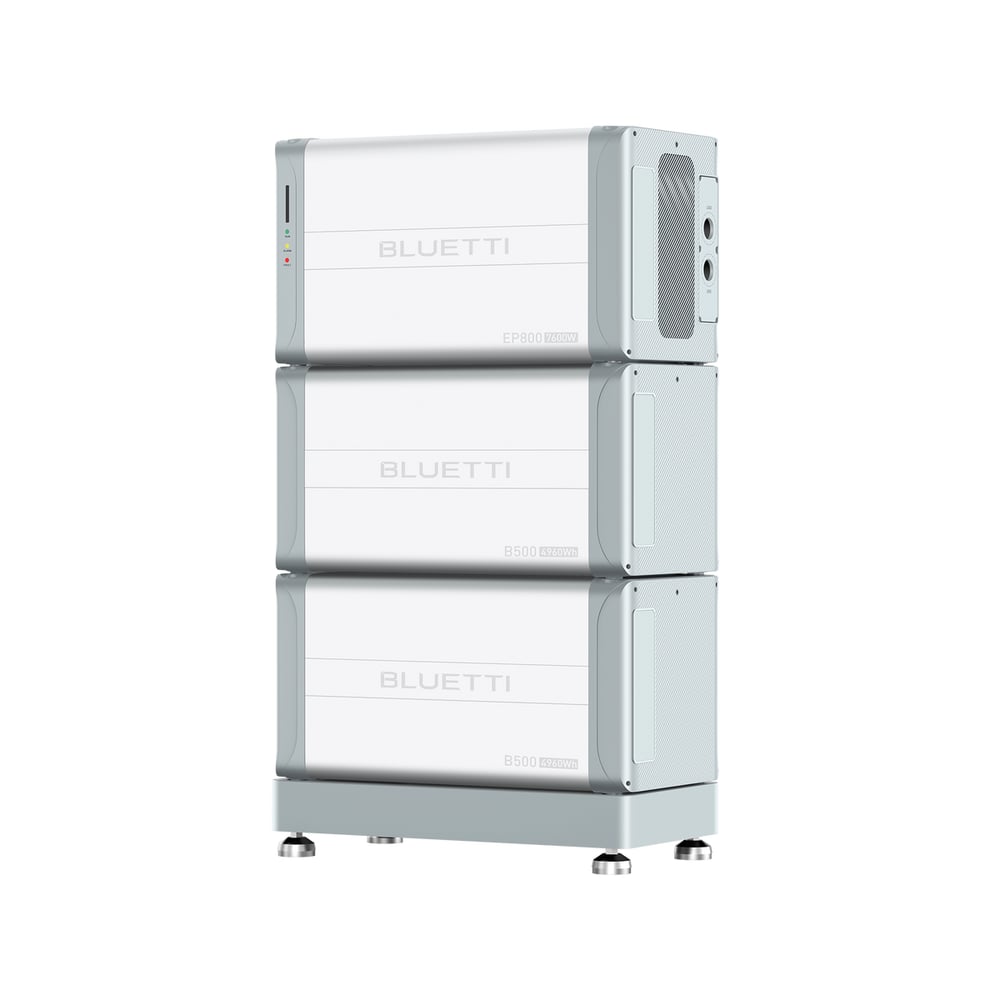
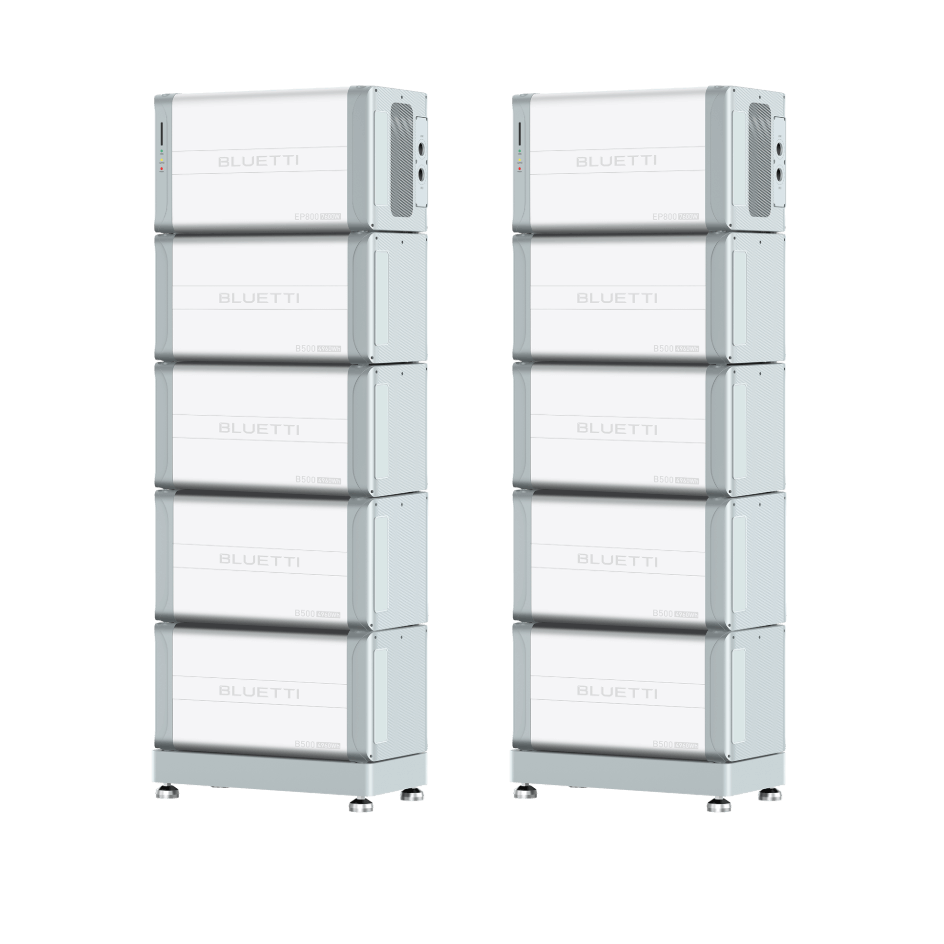
Bluetti - EP800 Energy Storage System for Home Backup

Regular price $12,08695
Shipping calculated at checkout.

Inverter & Battery

Ethereum Bitcoin Pay with Crypto — Choose Bankful at checkout.

Description

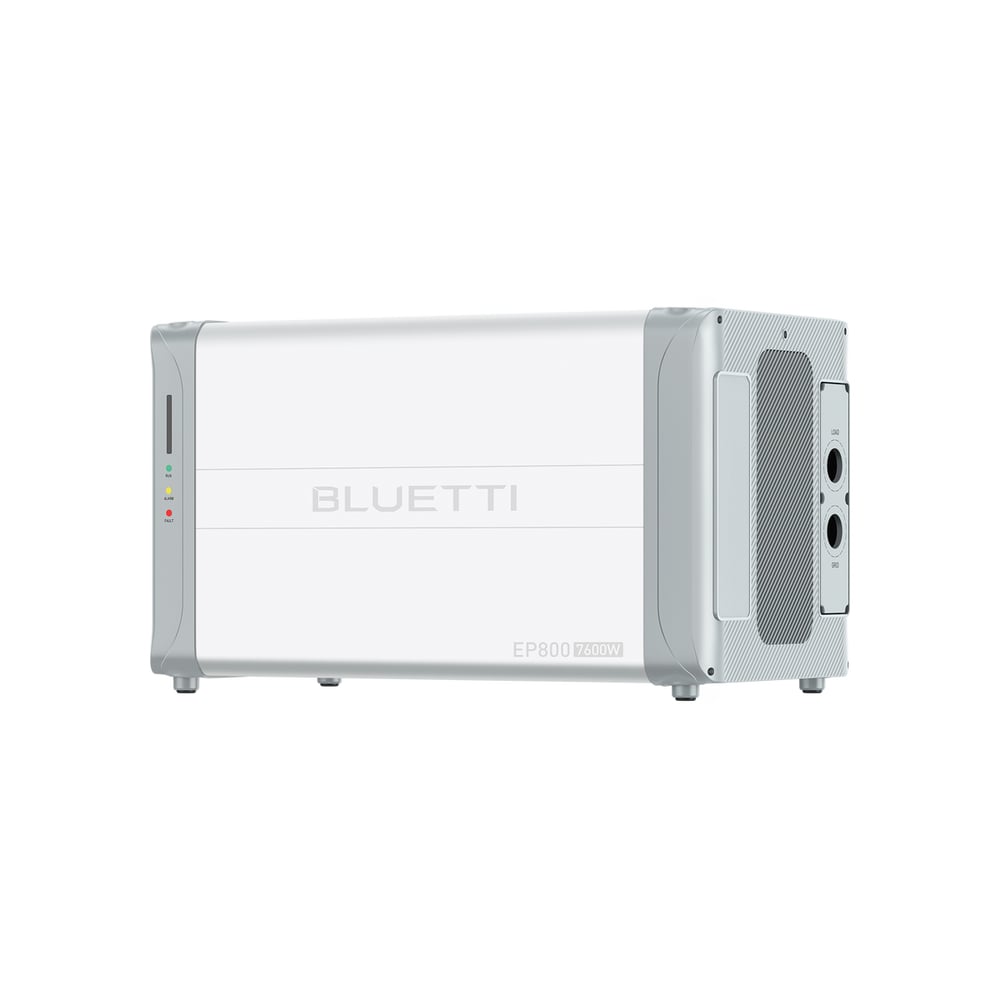
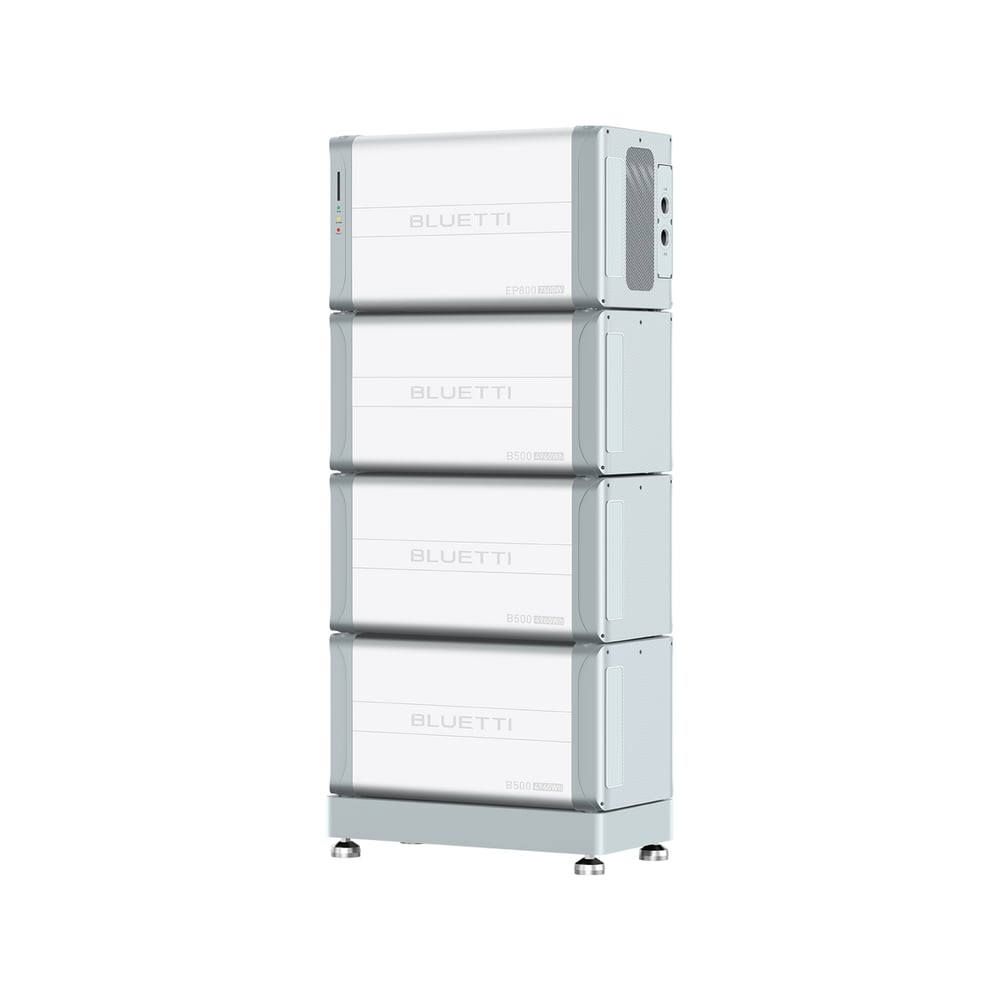
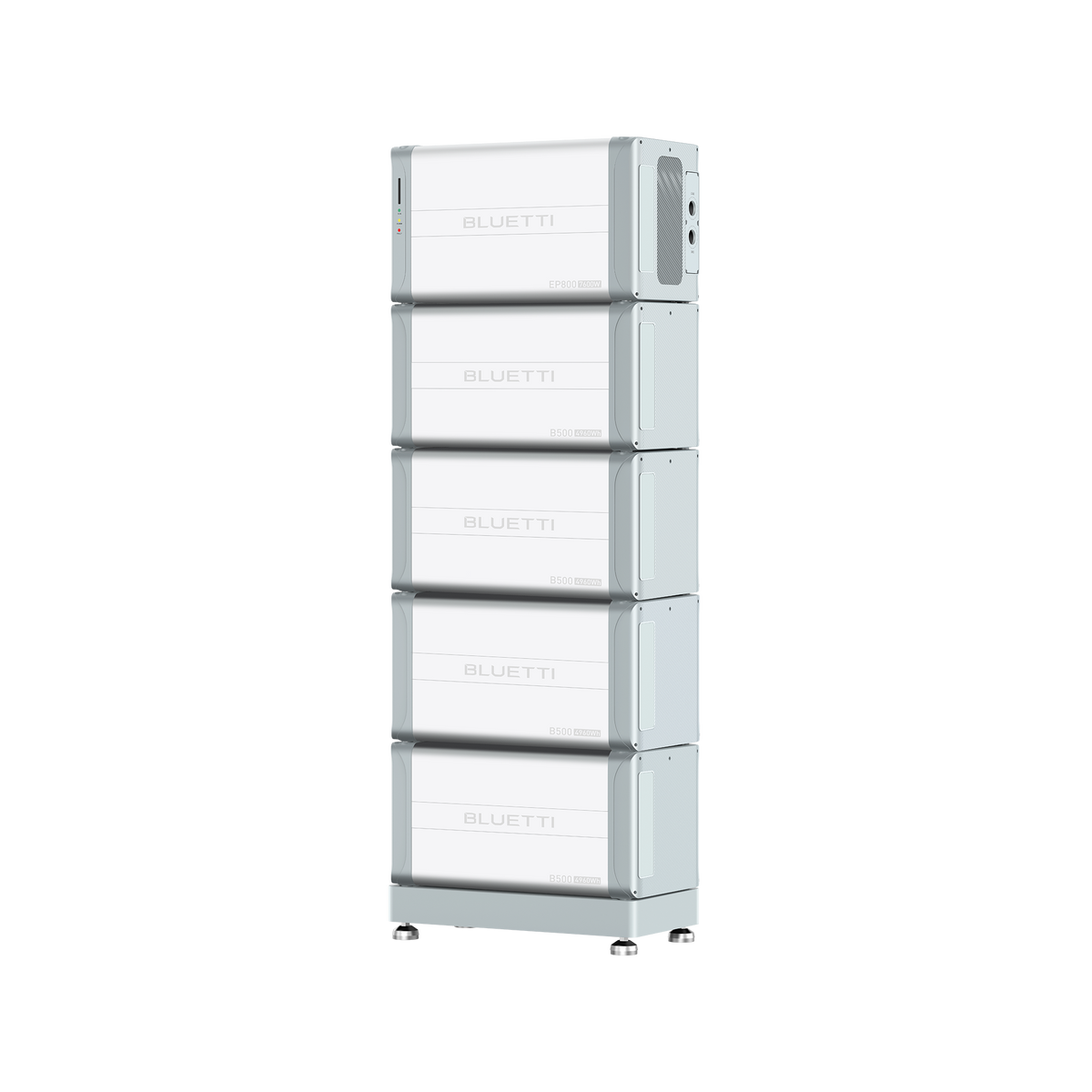
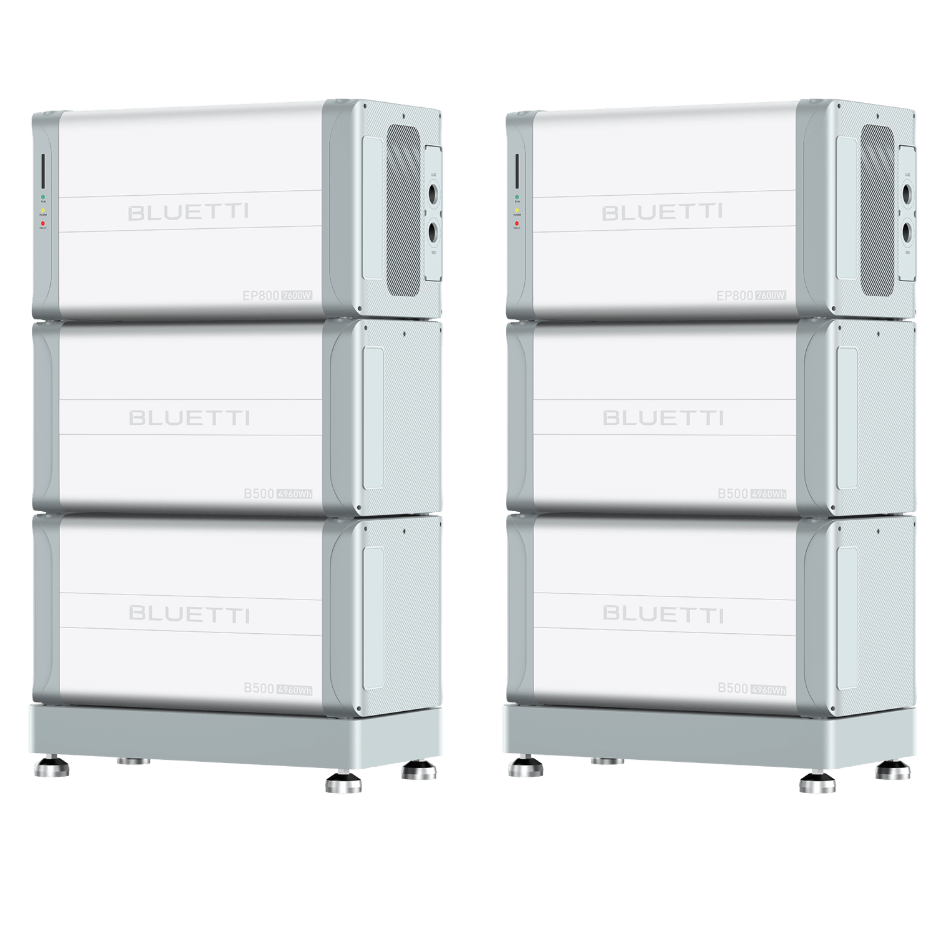
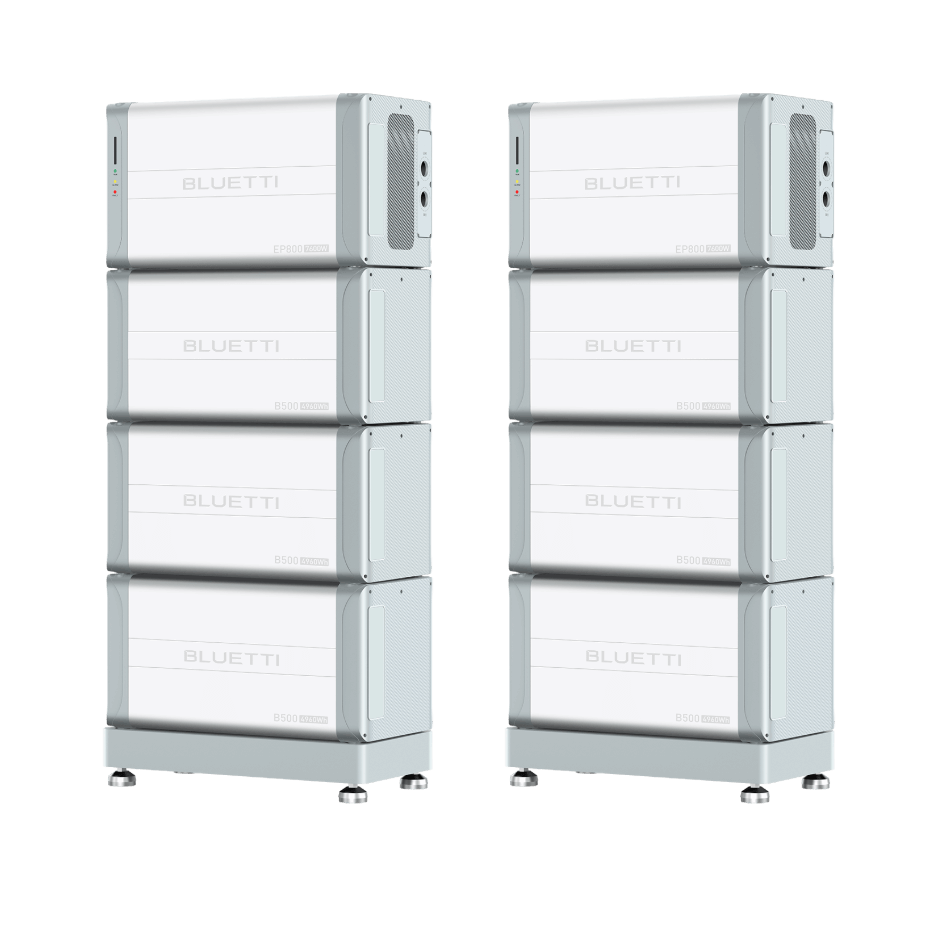
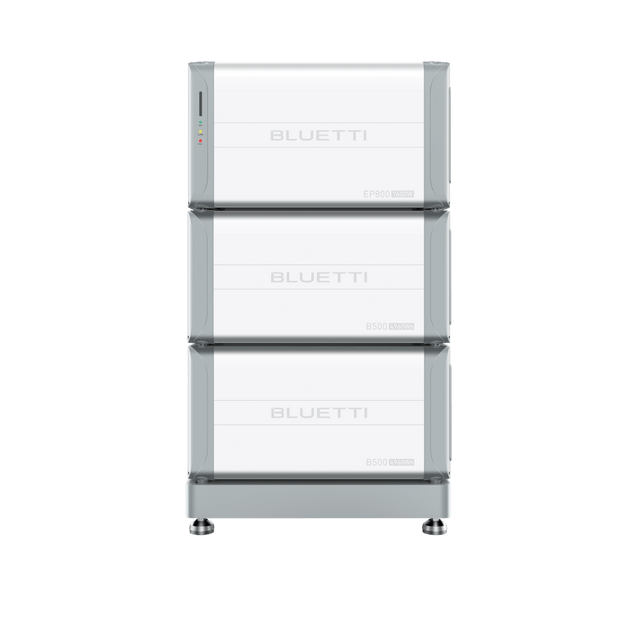
The BLUETTI EP800 is an advanced all-in-one energy storage system (ESS) that seamlessly integrates the EP800 off-grid inverter with B500 battery packs. Engineered to cater to your unique energy requirements, the EP800 provides a customizable capacity and straightforward installation, making reliable power more accessible than ever.


Why Choose the BLUETTI EP800?

  • Home Backup: Ensure uninterrupted power supply during outages with the EP800's robust backup capabilities.
  • Self-Consumption: Optimize your energy usage by storing excess solar energy and using it when needed, reducing reliance on the grid.
  • Time of Use: Schedule charging during off-peak hours when electricity rates are lower, and use stored energy during peak times to cut down on electricity bills.


Features

  • Versatile Energy Storage: Whether you have a solar system or not, the EP800 delivers backup power, cost savings, and net-zero emissions.
  • Reliable Power: In extreme weather conditions, the EP800 prioritizes charging from both the grid and solar power to prepare for potential outages, ensuring your home remains powered.
  • Solar Integration: Easily integrate with new or existing solar panels to harness free solar energy, efficiently powering your appliances.
  • Smart Energy Management: Customize charging and discharging periods to take advantage of lower utility rates and avoid peak pricing, maximizing savings.


With the BLUETTI EP800, enjoy a seamless energy storage solution that adapts to your lifestyle and ensures you always have power when you need it most.


Power Specifications

Configuration 1x EP800 + 2x B500
Inverter Power 7.6 kW
Battery Capacity 9,920 Wh
Max Solar Input 6,000 W
Output Voltage 120/240V
Output Current 32A
System Voltage 102.4V
Weight 333.4 lbs (151.2 kg)
Configuration 1x EP800 + 3x B500
Inverter Power 7.6 kW
Battery Capacity 14,880 Wh
Max Solar Input 6,000 W
Output Voltage 120/240V
Output Current 32A
System Voltage 102.4V
Weight 439.6 lbs (199.4 kg)
Configuration 1x EP800 + 4x B500
Inverter Power 7.6 kW
Battery Capacity 19,840 Wh
Max Solar Input 6,000 W
Output Voltage 120/240V
Output Current 32A
System Voltage 102.4V
Weight 545.8 lbs (247.6 kg)
Configuration 2x EP800 + 4x B500
Inverter Power 15.2 kW
Battery Capacity 19,840 Wh
Max Solar Input 12,000 W
Output Voltage 120/240V
Output Current 64A
System Voltage 204.8V
Weight 872.4 lbs (395.2 kg)
Configuration 2x EP800 + 6x B500
Inverter Power 15.2 kW
Battery Capacity 29,760 Wh
Max Solar Input 12,000 W
Output Voltage 120/240V
Output Current 64A
System Voltage 204.8V
Weight 1,078.6 lbs (489.4 kg)
Configuration 2x EP800 + 8x B500
Inverter Power 15.2 kW
Battery Capacity 39,680 Wh
Max Solar Input 12,000 W
Output Voltage 120/240V
Output Current 64A
System Voltage 204.8V
Weight 1,284.8 lbs (583.6 kg)


EP800 Off-grid Inverter and B500 Modular Battery Specifications

General Specifications
Model EP800 + B500
System Type Off-grid inverter with modular battery system
Inverter Power 7.6 kW (Single Unit)
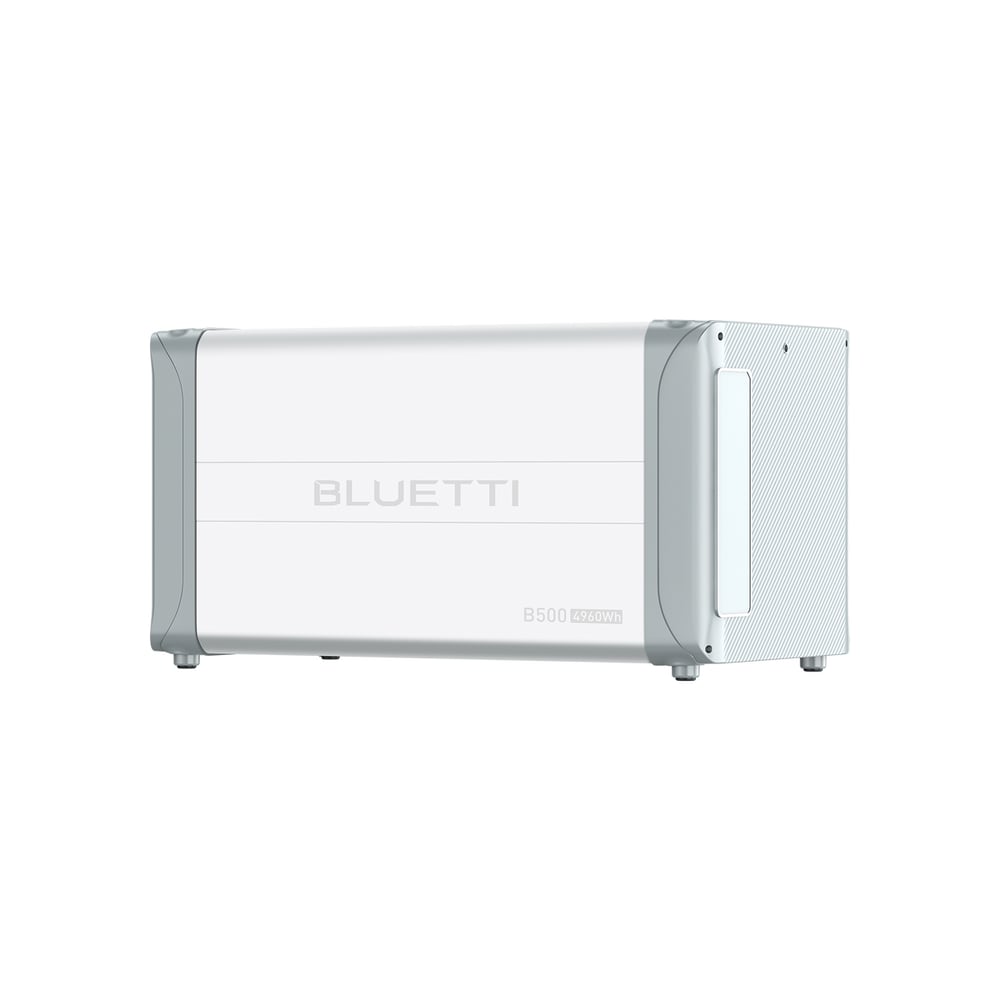
Battery Capacity 4,960 Wh per B500 module
Weight 92.6 lbs (42 kg) per B500 module
Compliances
Certifications UL 1741, CSA 22.2, IEEE 1547, FCC, CEC
PV Input
Max Solar Input Power 6,000 W (Single Unit)
Max PV Input Voltage 500 VDC
MPPT Voltage Range 150 - 425 VDC
Max Input Current 12 A per MPPT
Number of MPPTs 2
AC Output (Backup)
Output Voltage 120/240 V
Frequency 60 Hz
Output Current 32 A (Single Unit)
Surge Power 10 kW for 60 seconds
Battery Specifications
Battery Type LiFePO4 (Lithium Iron Phosphate)
Battery Voltage 51.2 VDC per B500 module
Battery Capacity 97.0 Ah per B500 module
Scalability Expandable up to 8 modules per system

Payment & Security

Payment methods

  • American Express
  • Apple Pay
  • Diners Club
  • Discover
  • Google Pay
  • JCB
  • Mastercard
  • Visa

Your payment information is processed securely. We do not store credit card details nor have access to your credit card information.
Frequently Asked Questions

How does the Bluetti EP800 Energy Storage System ensure power during outages?

Yes, the Bluetti EP800 can be seamlessly integrated with existing solar panels, enhancing its utility as an off-grid power solution. The system's design allows for easy connection to solar arrays, enabling you to harness solar energy effectively. This integration not only reduces reliance on the grid but also maximizes the use of renewable energy. However, it's important to ensure that your solar panels are compatible with the EP800's specifications, particularly regarding voltage and current input.

For guidance on solar panel installation, consider reading our Solar Installation Guide.

Can the EP800 be integrated with existing solar panels?

Yes, the Bluetti EP800 can be seamlessly integrated with existing solar panels, enhancing its utility as an off-grid power solution. The system's design allows for easy connection to solar arrays, enabling you to harness solar energy effectively. This integration not only reduces reliance on the grid but also maximizes the use of renewable energy. However, it's important to ensure that your solar panels are compatible with the EP800's specifications, particularly regarding voltage and current input.

For guidance on solar panel installation, consider reading our Solar Installation Guide.

What are the benefits of using the EP800 for time-of-use energy management?

The EP800 offers significant advantages for time-of-use energy management by allowing you to store energy during off-peak hours when electricity rates are lower. This stored energy can then be used during peak times, reducing your electricity bills. The system's smart energy management feature enables you to customize charging and discharging schedules, ensuring that you make the most of variable electricity pricing. However, the success of this strategy depends on understanding your utility's rate structure and effectively programming the system.

For more information on energy management strategies, visit our Energy & Power Guide.

How does the EP800 handle extreme weather conditions?

The EP800 is engineered to prioritize charging from both the grid and solar power in preparation for extreme weather conditions. This ensures that the battery is fully charged before potential outages occur. However, while the system is robust, its performance can still be affected by prolonged adverse weather, such as extended periods of low sunlight or severe storms. It's important to regularly check the system's status and perform maintenance to ensure optimal performance during such events.

For additional preparedness tips, explore our Winter Storm Survival Guide.

What is the maximum solar input capacity for the EP800 system?

The maximum solar input capacity for a single EP800 unit is 6,000 watts, which can be doubled to 12,000 watts with dual units. This allows for substantial solar energy harvesting, making it suitable for homes with significant energy needs. However, to fully utilize this capacity, your solar panel setup must be capable of providing sufficient power. It's also important to consider the geographical location and average sunlight exposure when planning your solar installation.

For more on solar energy systems, check out our Off-Grid Power Solutions Guide.

How scalable is the Bluetti EP800 system?

The Bluetti EP800 system is highly scalable, allowing you to expand its capacity by adding more B500 battery modules. Each B500 module adds 4,960 Wh of battery capacity, and the system can support up to eight modules. This modularity provides flexibility to meet growing energy needs or to adjust for seasonal variations in energy consumption. However, the physical space and weight of additional modules should be considered when planning your setup.

For more on energy storage solutions, explore our Energy & Power Collection.

What are the installation requirements for the EP800 system?

Installing the Bluetti EP800 system requires careful planning and consideration of your home's electrical setup. The system needs to be connected to your home's electrical panel and, if integrating solar panels, to your solar array. It's recommended to hire a professional electrician to ensure that the installation meets all safety and regulatory standards. Additionally, the weight and size of the system components should be considered when choosing the installation location.

For more details on setting up solar systems, visit our Solar Installation Guide.

How does the EP800 contribute to reducing electricity bills?

The EP800 helps reduce electricity bills by storing energy during off-peak hours and utilizing it during peak times when rates are higher. This time-shifting capability allows you to avoid high electricity costs, effectively lowering your overall energy expenses. Additionally, by integrating solar panels, you can further decrease reliance on the grid and take advantage of free solar energy. However, the degree of savings will depend on your local utility rates and the efficiency of your solar setup.

For strategies on energy savings, see our Energy & Power Guide.

What type of battery technology does the EP800 use?

The EP800 utilizes LiFePO4 (Lithium Iron Phosphate) battery technology, known for its safety and longevity. These batteries offer a stable chemistry that reduces the risk of overheating and increases the number of charge cycles compared to other lithium-ion technologies. This makes them particularly suitable for home energy storage applications. However, like all batteries, they require proper maintenance to maximize lifespan and performance.

For more information on battery technologies, visit our Batteries & Power Guide.

Is the EP800 suitable for off-grid living?

The EP800 is well-suited for off-grid living, providing a reliable energy source independent of the traditional power grid. Its ability to integrate with solar panels and store energy for later use makes it an excellent choice for those seeking energy independence. However, the feasibility of going completely off-grid depends on your location, energy consumption, and the availability of renewable energy sources like solar. Proper planning and system sizing are crucial to ensure that your energy needs are met year-round.

For more insights into off-grid living, explore our Off-Grid Living Guide.